Many Cases of Iron Deficiency Go Too Long Without Proper Treatment
(HealthDay News) -- Iron deficiency isn’t being effectively treated in the United States, with low iron levels persisting for years in most patients, a new study finds.
Almost 3 of 5 (58%) patients with iron deficiency still had low iron levels three years after their diagnosis, researchers found.
Further, it took nearly two years to resolve iron deficiencies in most of the 42% of patients who did recover, results showed.
Only 7% of patients had their iron levels return to normal within a year of diagnosis, the study added.
“Two years is too long and well beyond the timeframe within which iron deficiency should be able to be sufficiently treated and resolved [with oral or IV treatments],” said lead researcher Dr. Jacob Cogan, an assistant professor of medicine with the University of Minnesota. “The numbers are pretty striking and suggest
a need to put systems in place to better identify patients and treat them more efficiently.”
Iron deficiency affects nearly 40% of teenagers and young women, but as many as 70% of cases go undiagnosed in these groups, researchers said.
Most iron deficiency cases don’t involve full-blown anemia, researchers said. Anemia occurs when the body doesn’t have enough iron to make hemoglobin, the substance in red blood cells that allows them to transport oxygen throughout the body.
Cases of non-anemic iron deficiency can cause symptoms like fatigue and impaired thinking, researchers said.
“Iron deficiency is probably a bigger problem than we realize,” Cogan said. “I’ve seen a lot of cases where people don’t have anemia, but they are walking around with very little to no iron in their body and it can have a big impact on how people feel in their day-to-day life.”
Doctors treat iron deficiency through iron tablets or injections, as well as recommending a well-balanced diet in which people get iron from both animal and plant sources.
“Iron deficiency can be challenging to diagnose, but it’s easy to treat,” Cogan said.
For this study, researchers analyzed data from a major Minnesota health system, identifying more than 13,000 adults with blood test results that indicated iron deficiency between 2010 and 2020.
They found that most were still struggling with iron deficiency three years after their initial blood test.
People most likely to recover from iron deficiency were 60 or older, male, treated with IV iron alone and covered by Medicare, results show. Younger patients, women and Black people were most likely to either remain iron-deficient or take a long time to recover.
Patients who recovered also had more follow-up blood tests to keep track of their iron levels -- six versus four for those who remained iron-deficient.
This indicates that many diagnosed cases of iron deficiency aren’t being treated to resolution, Cogan said, while other cases are being missed entirely.
The results, published Aug. 15 in the journal Blood Advances, show a clear need for better education among health professionals on iron deficiency, Cogan said.
There also need to be efforts to create iron deficiency clinics or other standards to “assess and treat patients more efficiently and get people feeling better faster,” Cogan said in a journal news release.
Congresswoman Valerie Foushee, left, talks with Mary Klotman, MD, executive vice president for health affairs at Duke University and NCMS Foundation Honoree (photo Duke News)
(Editor's Note: Dr. Mary Klotman is a NCMS Foundation Honoree)
(Duke News) -- On August 14, Congresswoman Valerie Foushee (NC-04), visited Duke University to meet with Mary Klotman, MD, executive vice president of health affairs at Duke University and dean of the School of Medicine, as well as leadership of the Duke Center for Brain and Spine Metastasis (DCBSM). Rep. Foushee presented a copy of the resolution she introduced to Congress to establish Brain and Spine Metastasis Awareness Month.
“Despite advancements in cancer treatments that are extending survival rates, the rapid increase of brain and spine metastasis diagnoses in cancer patients across the country is alarming,” said Rep. Foushee when she introduced the resolution on June 3, 2024. “I am proud to introduce this resolution with the support of the Duke Center for Brain and Spine Metastasis, which has been at the forefront of developing cutting-edge metastasis surgeries and treatments.”
The resolution also calls on the U.S. Department of Health and Human Services to increase education and awareness about treatment options, support resources to establish and support centers for brain and spine metastasis, provide resources to increase access to dedicated clinical trials for patients, and invest in research and treatment of brain and spine metastasis.
After the resolution was introduced, 33 organizations from across the country — from medical centers to advocacy groups — signed on in support of the effort.
Among those who met with the Congresswoman today was Heather Gensler, 37, a Charlotte, NC, woman who has been a patient of the Duke Brain and Spine Metastasis Center since 2017. In an interview, Gensler said of being diagnosed with cancer, “I want to see people smile through it. Don’t let it win. Don’t let it change you. There’s life after being diagnosed.”
The Duke Center for Brain and Spine Metastasis brings together a multidisciplinary team of experts who seek new answers for patients whose cancer has spread to the brain or spine. Duke offers some of the most advanced surgeries and treatments, even for patients who may have been told they are out of options.
Left to right: Betsy Fricklas, PA, director of palliative care at the DCBSM; Carey Anders, MD, medical director of the DCBSM; Congresswoman Valerie Foushee; DCBSM patient Heather Gensler; and Rory Goodwin, MD, PhD, director of spine services for the DCBSM. (Photo: Duke News)Congresswoman Foushee tours the Duke Cancer Center (Photo: Duke News)
The UNC MD/PhD Program received five more years of T32 funding from the NIH/NIGMS as a Medical Scientist Training Program (MSTP), securing NIH funding through June 2029 and increasing the number of MD/PhD training slots from 16 to 21.
(UNC Newsroom) -- The UNC MD/PhD Program received five more years of T32 funding from the NIH/NIGMS as a Medical Scientist Training Program (MSTP), securing NIH funding through June 2029 and increasing the number of MD/PhD training slots from 16 to 21.
The primary mission of the UNC MD/PhD Program is to train an outstanding group of students committed to becoming physician scientists, capable of bridging the gap between science and clinical medicine, and becoming leaders in academic medicine and scientific health discovery. UNC MD-PhD trainees rank in the top two among U.S. MSTP programs annually for receipt of NIH F30 individual fellowship awards. In addition to the NIH funding, this program is generously supported by the UNC School of Medicine.
The current 94 students in the program (12 new students per year) represent diverse research and clinical interests, with students pursuing their graduate training in 15 departments and 5 curricula representing Schools of Medicine, Public Health, Pharmacy, and the College of Arts and Sciences.
A distinguishing metric of training success of the UNC MD/PhD program is that over the past 25 years, the vast majority of 160 alumni (89%) are employed in academia, research institutes or industry. Several of the alumni are also physician-scientist faculty at UNC.
Co-Directors Toni Darville, MD, professor of pediatrics, division chief of pediatric infectious diseases, vice chair for research (Pediatrics), and professor of microbiology and immunology; and Mohanish Deshmukh, PhD, professor in the Department of Cell Biology and Physiology and the UNC Neuroscience Center
Associate Director, Gaorav Gupta, MD, PhD, associate professor of radiation oncology and co-leader of the Breast Cancer Program in the UNC Lineberger Comprehensive Cancer Center
Assistant Director, Alison Regan
Program Manager, Amber Brosius, MSW
Program Coordinator, Andrew Mara-Williams
(From left to right) The UNC MD/PhD Leadership Team: Gaorav Gupta, Amber Brosius, Alison Regan, Toni Darville, Andrew Mara-Williams, and Mohanish Deshmukh. (photo UNC Health News)
In June, the CDC recommended that everyone 6 months and older get both a Covid-19 shot and a flu shot this year
(CNN - Meg Tirrell) -- The US Food and Drug Administration is poised to sign off as soon as this week on updated Covid-19 vaccines targeting more recently circulating strains of the virus, according to two sources familiar with the matter, as the country experiences its largest summer wave in two years.
The agency is expected to greenlight updated mRNA vaccines from Moderna and Pfizer/BioNTech that target a strain of the virus called KP.2, said the sources, who declined to be named because the timing information isn’t public. It was unclear whether the agency simultaneously would authorize Novavax’s updated shot, which targets the JN.1 strain.
The move would be several weeks ahead of last year’s version of the vaccine, which got FDA signoff on September 11.
“Now is the time to get a dose with this surge,” Dr. Michael Osterholm, director of the Center for Infectious Disease Research and Policy at the University of Minnesota, told CNN.
Osterholm said on his podcast last week that he recently got a dose of last season’s vaccine in order to increase his immunity while the virus is circulating at such high levels and amid uncertainty around when new shots would become available.
He added that he’ll now wait to get the updated one in four months, the interval recommended by health officials.
In June, the US Centers for Disease Control and Prevention recommended that everyone over 6 months old receive both an updated Covid-19 vaccine and a flu shot this year.
Representatives for Pfizer and Moderna told CNN that the companies had ample supply of their updated Covid vaccines and would be ready to ship doses upon approval. Moderna’s spokesman said it expects the vaccine to be available in stores within days of FDA signoff.
Novavax’s vaccine is based on protein technology, which takes longer to manufacture than mRNA vaccines. The company’s executives told investors on a conference call last week that it anticipated that its updated vaccine would be arriving in warehouses this month and that it’s expected to be ready for distribution when authorized. A spokesperson for Novavax didn’t immediately respond to a request for comment Friday.
A spokesperson for the FDA said the agency can’t comment on timing of product applications but noted that it “anticipates taking timely action to authorize or approve updated COVID-19 vaccines in order to make vaccines available this fall.”
Levels of the SARS-CoV-2 virus, which causes Covid-19, measured in wastewater are at “very high” levels nationally, according to CDC data, sparking the highest summer peak in the US since July 2022. Monitoring of viral levels in wastewater can give a picture of how widespread the virus is as testing and other forms of monitoring the virus have fallen off.
Measures of severe disease, including rates of hospitalization and death, have been rising, according to the CDC, but they’re nowhere near levels seen in previous years.
Waves of the virus are driven by both waning immunity and new variants, experts say. The prevalent strain in the US now is KP.3.1.1, according to CDC data, estimated to account for 37% of cases over the past two weeks. That’s triple its level a month ago.
KP.3.1.1 and KP.2 – the strain included in the updated mRNA vaccines – are both offshoots of JN.1, the target of Novavax’s shot, and all are versions of the Omicron variant.
Buprenorphine Initiation and Linkage to Outpatient Services: Navigating Complex Care for Patients with Opioid Use Disorder in the Emergency Department Setting
Thursday, Aug. 22
2:30-4:00pm ET
This is a 90-minute training to discuss the pathophysiology of substance use, with a focus on navigating complex care for patients with OUD in the emergency department setting. This presentation will focus primarily on educating ER providers on the current climate of substance use in WNC and the best tactics and techniques to care for incoming patients and linking them to outpatient services.
Objectives
Describe complex care for patients with OUD in the emergency department
Foster confidence and comfort with tactics and techniques for linking incoming patients to outpatient services
Discuss how to support & educate patients to apply harm-reduction management techniques in the ED setting and linking to care quickly and appropriately
The North Carolina Department of Health and Human Services announced Blue Cross Blue Shield NCwas selected to operate the Children and Families Specialty Plan. A first-of-its-kind initiative, the CFSP is a single, statewide NC Medicaid Managed Care plan that will wrap Medicaid-enrolled children, youth and their families in the child welfare system with seamless, integrated and coordinated health care.
Supporting children served by the child welfare system requires a close coordination across multiple systems and partners to ensure we support preserving families, reunification and securing permanency to ensure the best outcomes. Children and families in the child welfare system often find it hard to navigate getting the health care, social services and mental health care they need. The CFSP is designed to support this population by providing health care and mental health care coverage that follows the person — regardless of their geographic location or situation — and works across all these multiple systems.
"This plan will ensure there is a unified system of care and clear accountability when it comes to improving the health and wellbeing of our kids living with the most complex challenges," said NC Health and Human Services Secretary Kody H. Kinsley. "We continue to improve how we serve people, so it’s more efficient and promotes better outcomes."
The CFSP provides comprehensive coverage for all services provided by the Standard Plan in addition to most Tailored Plan services, such as 1915(i) Home and Community-Based Services and enhanced behavioral health and residential services. It also includes a broad range of behavioral health services such as outpatient therapy, inpatient treatment, and crisis and therapeutic residential options for children. Additionally, the CFSP is responsible for addressing unmet health-related resource needs, including housing, food, transportation, and interpersonal violence. The plan also covers pharmacy, long term services and supports (LTSS) and Intellectual/ Developmental Disability (I/DD) services.
At launch, the CFSP will operate statewide, offering robust care management to approximately 31,000 current and former foster care children and youth that will be enrolled automatically. Children of these eligible populations will also be automatically enrolled at launch and maintain enrollment while their parents are enrolled. In line with the plan’s goal to support and strengthen families, the plan will also be available to parents and family members of children and youth served by the child welfare system, including those receiving Child Protective Services (CPS) In-Home Services. NCDHHS is currently working on estimating this population size, and service to family members will be available no sooner than July 2026.
"As we put this plan into action the department recognizes the importance of implementing a whole-person centered, well-coordinated system of care that will support Medicaid-enrolled children, youth and families served by the child welfare system," said Deputy Secretary of NC Medicaid Jay Ludlam.
Since 2021, NCDHHS has been leveraging the move to managed care for NC Medicaid to build an innovative health care delivery system that puts the health of beneficiaries at the forefront. Under Medicaid Managed Care, NC Medicaid Standard Plans and the Eastern Band of Cherokee Indians Tribal Option launched on July 1, 2021, followed by Behavioral Health I/DD Tailored Plans on July 1, 2024.
More information about the transition to NC Medicaid Managed Care can be found on the Medicaid website at medicaid.ncdhhs.gov/transformation.
The first CFSP contract was awarded to Blue Cross Blue Shield NC after a competitive selection process, and the term will last four years. Only entities operating as NC Medicaid Standard Plans, NC Medicaid Behavioral Health I/DD Tailored Plans and any other entity that meets the definition of a Prepaid Health Plan under NCGS § 58-93-5 or the 2023 Appropriations Act were able to bid on the contract.
(Photo: Courtesy of the researchers, edited by MIT news)
The new device, which can be implanted under the skin, rapidly releases naloxone when an overdose is detected.
(MIT News, Anne Trafton) -- In 2023, more than 100,000 Americans died from opioid overdoses. The most effective way to save someone who has overdosed is to administer a drug called naloxone, but a first responder or bystander can’t always reach the person who has overdosed in time.
Researchers at MIT and Brigham and Women’s Hospital have developed a new device that they hope will help to eliminate those delays and potentially save the lives of people who overdose. The device, about the size of a stick of gum, can be implanted under the skin, where it monitors heart rate, breathing rate, and other vital signs. When it determines that an overdose has occurred, it rapidly pumps out a dose of naloxone.
In a study appearing today in the journal Device, the researchers showed that the device can successfully reverse overdoses in animals. With further development, the researchers envision that this approach could provide a new option for helping to prevent overdose deaths in high-risk populations, such as people who have already survived an overdose.
“This could really address a significant unmet need in the population that suffers from substance abuse and opiate dependency to help mitigate overdoses, with the initial focus on the high-risk population,” says Giovanni Traverso, an associate professor of mechanical engineering at MIT, a gastroenterologist at Brigham and Women’s Hospital, and the senior author of the study.
The paper’s lead authors are Hen-Wei Huang, a former MIT visiting scientist and currently an assistant professor of electrical and electronic engineering at Nanyang Technological University in Singapore; Peter Chai, an associate professor of emergency medicine physician at Brigham and Women’s Hospital; SeungHo Lee, a research scientist at MIT’s Koch Institute for Integrative Cancer Research; Tom Kerssemakers and Ali Imani, former master’s students at Brigham and Women’s Hospital; and Jack Chen, a doctoral student in mechanical engineering at MIT.
An implantable device
Naloxone is an opioid antagonist, meaning that it can bind to opioid receptors and block the effects of other opioids, including heroin and fentanyl. The drug, which is given by injection or as a nasal spray, can restore normal breathing within just a few minutes of being administered.
However, many people are alone when they overdose, and may not receive assistance in time to save their lives. Additionally, with a new wave of synthetic, more potent opioids sweeping the U.S., opioid overdoses can be more rapid in onset and unpredictable. To try to overcome that, some researchers are developing wearable devices that could detect an overdose and administer naloxone, but none of those have yet proven successful. The MIT/BWH team set out to design an implantable device that would be less bulky, provide direct injection of naloxone into the subcutaneous tissue, and eliminate the need for the patient to remember to wear it.
The device that the researchers came up with includes sensors that can detect heart rate, breathing rate, blood pressure, and oxygen saturation. In an animal study, the researchers used the sensors to measure all of these signals and determine exactly how they change during an overdose of fentanyl. This resulted in a unique algorithm that increases the sensitivity of the device to accurately detect opioid overdose and distinguish it from other conditions where breathing is decreased, such as sleep apnea.
This study showed that fentanyl first leads to a drop in heart rate, followed quickly by a slowdown of breathing. By measuring how these signals changed, the researchers were able to calculate the point at which naloxone administration should be triggered.
“The most challenging aspect of developing an engineering solution to prevent overdose mortality is simultaneously addressing patient adherence and willingness to adopt new technology, combating stigma, minimizing false positive detections, and ensuring the rapid delivery of antidotes,” says Huang. “Our proposed solution tackles these unmet needs by developing a miniaturized robotic implant equipped with multisensing modalities, continuous monitoring capabilities, on-board decision making, and an innovative micropumping mechanism.”
The device also includes a small reservoir that can carry up to 10 milligrams of naloxone. When an overdose is detected, it triggers a pump that ejects the naloxone, which is released within about 10 seconds.
In their animal studies, the researchers found that this drug administration could reverse the effects of an overdose 96 percent of the time.
“We created a closed-loop system that can sense the onset of the opiate overdose and then release the antidote, and then you see that recovery,” Traverso says.
Preventing overdoses
The researchers envision that this technology could be used to help people who are at the highest risk of overdose, beginning with people who have had a previous overdose. They now plan to investigate how to make the device as user-friendly as possible, studying factors such as the optimal location for implantation.
“A key pillar of addressing the opioid epidemic is providing naloxone to individuals at key moments of risk. Our vision for this device is for it to integrate into the cascade of harm-reduction strategies to efficiently and safely deliver naloxone, preventing death from opioid overdose and providing the opportunity to support individuals with opioid use disorder,” says Chai.
The researchers hope to be able to test the device in humans within the next three to five years. They are now working on miniaturizing the device further and optimizing the on-board battery, which currently can provide power for about two weeks.
The research was funded by Novo Nordisk, the McGraw Family Foundation at Brigham and Women’s Hospital, and the MIT Department of Mechanical Engineering.
Three grant opportunities totaling $4.5 million will support local partners in developing community-based initiatives to improve equitable access to mental health services, expand peer support services and strengthen family and caregiver support services, says North Carolina Department of Health and Human Services.
"Behavioral health is essential to health and these investments build on the near $1 billion we’re investing to improve the mental health system of care in North Carolina," said NC Health and Human Services Secretary Kody H. Kinsley. "These grant opportunities will help close health disparities by focusing on the unique needs of marginalized communities and empowering those with lived experience to be key to the solution."
NCDHHS will award Mental Health Block Grant funds to community-based partners to build or expand mental health services and supports for North Carolinians, including those with substance use and/or intellectual and developmental disabilities.
Specifically, the grants will be used to implement:
Community-Based Mental Health Initiatives: Projects that expand access to mental health supports for the LGBTQIA+ community, faith-based communities, people over the age of 65 and non-native English speakers, who often encounter unique challenges to finding and accessing culturally competent care. Projects should address barriers to care, promote culturally competent and trauma-informed services and foster resilience among these communities.
Peer Services: Peer Respite and Peer Living Room Models that serve as community-based alternatives to emergency departments or hospitals for crisis and recovery services. These programs provide peer-supported crisis, mental health and substance use recovery services. Programs will be administered by Certified Peer Support Specialists, who provide trauma-informed services supported by their lived experiences navigating the mental health system.
Family and Caregiver Support Services: Programs that offer support for family members who are caregivers and siblings of loved ones requiring intensive care for behavioral health, substance use, intellectual or developmental disabilities, traumatic brain injury or co-occurring conditions. Services provide an essential support and advocacy for family caregivers while ensuring continuity of care for their loved one.
Eligible organizations who would like to partner with NCDHHS in developing mental health solutions in their communities are encouraged to submit a proposal or application for funding through the Mental Health Block Grant. To learn more, visit the DMHDDSUS grant opportunities page.
"These grants are part of our ongoing work to improve how North Carolinians access mental health and well-being services both for themselves and for the people they love," said Kelly Crosbie, MSW, LCSW, Director of the NCDHHS Division of Mental Health, Developmental Disabilities, and Substance Use Services. "We are committed to fostering a system of equitable, compassionate, whole-person care that can move families and communities from a state of crisis into long-term recovery."
Investing in community-based services supports NCDHHS’ goal to ensure every North Carolinian has access to the right care, in the right place, at the right time to meet their mental health needs. The department is investing a historic $835 million to transform behavioral health services and build a system where everyone has someone to contact, someone to respond and a safe place for care whenever they need it.
(Tips for your patients and where to find a donation location at bottom of this article)
(Cathy Cassata) -- Amanda Fouch has been donating blood since she was a teenager. “There was a blood drive at my high school, and I felt so excited about being able to give something to someone that could save their life, with the added benefit that all it cost me was a little bit of time,” she tells Yahoo Life.
The 42-year-old has continued to donate blood at least twice a year since then. “I am O negative, which means I’m a universal donor. I feel compelled to give something that is so needed and can be used for so many, and I’m lucky enough to have it,” says Fouch.
Donating blood makes many medical treatments and procedures possible and helps save thousands of lives each year, according to the American Red Cross. “By giving blood, you could help accident victims, new mothers who hemorrhage in childbirth, cancer patients, those in need of surgeries and transplants and those being treated for chronic diseases like sickle cell disease,” a Red Cross spokesperson tells Yahoo Life.
Every two seconds, someone in the U.S. needs blood. Adding to the urgency is the fact that the U.S. is currently facing a blood shortage emergency. According to the American Red Cross, the national blood supply has dropped by more than 25% since July 1 due to disruptions from the summer heat.
“Most of us know someone who has received a blood transfusion, so the need for blood touches nearly all of us whether we realize it or not,” says the Red Cross spokesperson. “Blood can’t be manufactured; it can only come from generous volunteers willing to roll up a sleeve and give about an hour of time.”
What some people may not realize is that donating blood doesn’t help just the recipients. “Donating blood helps save the lives of patients in need of medical care, but there are also benefits to the donor,” the Red Cross says. Here are some surprising ways that donating blood can help your health.
Donating blood provides a screening of your vital signs
When you check into a blood donation center, the first thing the staff does is look at your vital signs, blood pressure and heart rate to see if you qualify to donate, Dr. Anjali Bharati, emergency medicine physician at Lenox Health Greenwich Village, tells Yahoo Life. They also test your blood to check for anemia and iron deficiency, as well as infectious diseases, such as hepatitis and HIV.
“These screening tests can reveal a medical condition such as elevated blood pressure, an irregular heartbeat or anemia,” Bharati says. “This doesn’t replace a trip to the doctor but is an important evaluation.”
Vitals from each donation are recorded in each donor’s secure online record, helping them to easily track their health stats, according to the Red Cross. “This can help you monitor for health conditions such as high blood pressure, allowing you to view your vital statistical trends over time and share this information with your health care provider,” says the Red Cross spokesperson.
It can lower blood pressure and improve heart attack risk
Hemoglobin is a protein that is created by bone marrow. Kept in red blood cells, hemoglobin aids these cells in moving oxygen from the lungs to the body through your arteries. Symptoms of high or low hemoglobin include tiredness, dizziness or shortness of breath.
For people with high hemoglobin, donating blood reduces the viscosity of the blood — that’s a measurement of the thickness and stickiness of blood. Viscosity of the blood may contribute to blood clots, strokes and heart attacks.
“People with a high hemoglobin can benefit from donating blood. Reducing the hemoglobin can improve your risk for a heart attack and strokes. It can also lower your blood pressure,” says Bharati.
Donating blood can help some hereditary conditions
Hereditary hemochromatosis is a disorder that causes excess iron to build up in the blood. For this condition, donating blood is a benefit. “Regular blood donation can remove these irons, which can improve someone’s health,” says Bharati.
It boosts mental health
Research shows that helping others, which includes donating blood, can have a positive impact on mental health and well-being, including helping to reduce stress and improve mood and self-esteem.
“The greatest benefit to the donor is the good feeling of knowing you are helping to save the life of someone in need, which no doubt touches countless other lives as well,” says the Red Cross spokesperson.
Giving to your community in general inevitably lifts you up, notes Bharati. “It is a generous act of kindness — you can save up to three lives by donating one pint of blood. Knowing you are doing something so important is a huge benefit to your mental health,” she says.
Tips to consider before donating blood
You can donate blood every eight weeks if you are giving whole blood (about a pint) and every 16 weeks if you are giving a Power Red donation (about two pints). The entire donation process takes about an hour with the actual blood draw lasting eight to 10 minutes on average.
Before giving blood, follow these tips to help ensure that the process goes well:
If you tend to have low iron, avoid caffeine and eat iron-rich foods in the weeks leading up to your donation to get an extra boost of iron.
Drink lots of water starting the day before.
Get a good night’s sleep the night before.
Eat a meal before you go to the blood drive.
Avoid alcohol and caffeine before and after donating blood.
If you plan to work out, exercise before the appointment — not after — since it’s common to feel dizzy and weak after donating blood.
Bring a friend to your appointment and encourage them to donate too while you give each other support.
Want to donate blood but not sure where to go? You can visit the Red Cross website to find a location and schedule an appointment near you.
The Centers for Medicare & Medicaid Services (CMS) Center for Medicare and Medication Innovation (“Innovation Center”) announced the 2024 Rural Health Hackathon – a series of in-person, collaborative sessions designed to generate and construct creative and actionable ideas to address rural health challenges.
The 2024 Hackathon builds on CMS’ extensive outreach to rural communities through site visits and listening sessions to better understand rural health care issues. Through these solution-oriented events, the CMS Innovation Center will bring together rural health community care providers, community organizations, industry and tech entrepreneurs, funders, policy experts, and beneficiaries to leverage the wisdom and experience of the crowd.
Hackathon attendees will generate new ideas to address some of the top challenges impacting health care in rural health settings and drive action to improve clinical outcomes, increase access, and better care experience for both patients and providers in rural communities.
Interested parties have two ways to participate:
In-Person Hackathon: Engage with other dedicated experts to solve some of the toughest challenges facing rural communities through one of the in-person convenings hosted in three cities this summer:
Wilson, North Carolina: August 29, 2024Please note that there is no virtual option for these events due to their collaborative, hands-on structure.
Virtual Idea Submission: Submit your written concepts to address top rural health challenges using this form. All concepts must be submitted no later than September 9, 2024, at 11:59PM EST. Please note that late submissions will not be considered.
Top ideas with greatest opportunity for action will be highlighted in a public CMS Innovation Center report and connected with leading health policymakers and potential private or non-profit partners in the field. See below for details on how to participate.
August is National Immunization Awareness Month (NIAM), a time to highlight the importance of vaccination for people of all ages. CDC recently published reports on the benefits of vaccination and updated guidance:
CDC’s Advisory Committee on Immunization Practices updated their recommendations for the use of respiratory syncytial virus (RSV) vaccines in adults who are 60 or older. See CDC's report.
Researchers concluded that routine childhood immunizations have been an important cost-saving public health strategy. Read theCDC report.
All staff in healthcare practices, including non-clinical staff, play important roles during NIAM:
Join HRSA’s National Minority Donor Awareness Month webinar. Speakers will discuss how to address cultural barriers and share effective donation outreach strategies. Hear from experts and personal stories that highlight the impact of donation and transplantation.
Live translation will be available in Spanish and English.
As North Carolinians navigate through another hurricane season, officials with the North Carolina Emergency Management and the Department of Health and Human Services warns against use of gasoline-powered generators, outdoor grills and camp stoves in enclosed spaces.
Carbon monoxide is an odorless, colorless gas produced whenever fuel is burned. In an enclosed space, such as a home, garage, car or camper, carbon monoxide can build up to deadly levels quickly. Even low levels of carbon monoxide can cause dizziness, fatigue, nausea, headaches, confusion or fainting. If you are experiencing these symptoms, get to fresh air immediately and seek medical attention.
High levels of carbon monoxide can be deadly within minutes. Carbon monoxide poisoning can be fatal to anyone, especially children, pregnant women, older adults and those with chronic illness. People who are sleeping or intoxicated can die from carbon monoxide poisoning without ever becoming aware of their symptoms.
Proper safety precautions should be used by anyone testing or using a generator or other fuel burning device during storms. These precautions include the following:
Do not use gasoline-powered tools or engines in enclosed or partially enclosed spaces. Use them outdoors at least 20 feet from all doors, windows and air vents.
Do not use charcoal grills or propane stoves indoors, even in a fireplace.
Never use the stove or other gas appliances to heat your home.
Do not idle your car, truck or other vehicle in the garage, even if the garage door to the outside is open. Fumes can build up quickly in the garage and living area of your home.
Keep rooms well ventilated.
Read and follow all instructions that accompany fuel-burning devices. Use the proper fuel and make sure there is enough air for ventilation and fuel burning.
Install and maintain a carbon monoxide alarm in your home.
For more information about carbon monoxide poisoning prevention, click here.
WHO declares mpox outbreak a global health emergency
(CNN, Maya Davis) -- The World Health Organization on Wednesday declared the ongoing mpox outbreak in Africa a global health emergency.
WHO convened its emergency mpox committee amid concerns that a deadlier strain of the virus, clade Ib, had reached four previously unaffected provinces in Africa. This strain had previously been contained to the Democratic Republic of Congo.
Independent experts on the committee met virtually Wednesday to advise WHO Director-General Tedros Adhanom Ghebreyesus on the severity of the outbreak. After that consultation, he announced Wednesday that he had declared a public health emergency of international concern — the highest level of alarm under international health law.
Also known as PHEIC, this is a status given by WHO to “extraordinary events” that pose a public health risk to other countries through the international spread of disease. These outbreaks may require a coordinated international response, according to the organization.
The Africa Centres for Disease Control and Prevention declared the outbreak a public health emergency of continental security the day before — the first such declaration by the agency since its inception in 2017.
Since the beginning of this year, more than 17,000 cases and more than 500 deaths have been reported in 13 countries in Africa, according to the Africa Centers for Disease Control and Prevention, which classifies the outbreak as a “very high risk event.” The highest number of cases — more than 14,000 — is in the DRC, which reported 96% of confirmed cases this month.
Mpox, formerly known as monkeypox, is a viral disease that can spread easily between people and from infected animals. It can spread through close contact such as touching, kissing or sex, as well as through contaminated materials like sheets, clothing and needles, according to WHO. Symptoms include a fever, a painful rash, headache, muscle and back pain, low energy and enlarged lymph nodes.
For decades, the disease had largely been found in Central and West Africa, but it also began spreading in Europe and North America in 2022. WHO previously declared the spread of mpox a global health emergency in July 2022 and ended it in May 2023.
Mpox is characterized by two genetic clades, I and II. A clade is a broad grouping of viruses that has evolved over decades and is a genetic and clinically distinct group. Clade Ib is more transmissible and causes more severe disease.
WHO officials previously said the virus could be contained “quite straightforwardly, if we do the right things at the right time.” They are further calling for international cooperation in financing and organizing efforts to quell the outbreak.
The organization has already signed off on the Emergency Use Listing process for both mpox vaccines and developed a regional response plan requiring $15 million, with $1.45 million already released from the WHO Contingency Fund for Emergencies.
As children across North Carolina head back to school this month, the North Carolina Department of Health and Human Services reminds families that vaccinations are an important part of back-to-school success and overall health and well-being.
"Ensuring children are current on their childhood vaccines is essential for both child and family health and well-being," said Dr. Elizabeth Cuervo Tilson, State Health Director and Chief Medical Officer for NCDHHS. "We encourage parents to work with their children’s health care provider or local health department to make sure they’re up to date to protect them from serious disease and help prevent the spread of disease in the classroom and at home."
Vaccine-preventable diseases, such as meningitis, measles, pertussis (whooping cough) and others, are still seen across North Carolina. Keeping children up to date on vaccinations is the best way to keep them healthy and reduce severe illness and unnecessary absences from school. Children who are uninsured can be vaccinated at low or no cost through the Vaccines for Children program, which offers free vaccines to eligible children through 18 years of age.
"Vaccines remain one of the most effective means available to prevent serious illness, hospitalization and death," said Dr. Kelly Kimple, Acting Director of the NCDHHS Division of Public Health. "They help to protect the health of children, their families and the entire community from the spread of these infectious diseases."
Governor Roy Cooper proclaimed August as Immunization Awareness Month in North Carolina. Alongside the proclamation, NCDHHS is partnering with health care providers and stakeholders in a statewide awareness campaign to help ensure school-age children and teens are protected from vaccine-preventable diseases.
"As children, adolescents and young adults are returning to schools and universities, we must remember the critical role of vaccines in preventing illness," said Kenya McNeal-Trice, MD FAAP, President of the North Carolina Pediatric Society. "Well visits, sports physicals, school health assessments and any other health care visit can be used as an opportunity to receive or become up to date on immunizations."
NCDHHS encourages all parents to talk with their child’s health care provider about recommended vaccinations. During that same visit, parents can talk with their physician about the importance of the COVID-19 vaccine and the flu vaccine for their children ages six months and older. Visit this CDC portal for more information about COVID-19 vaccines.
"As children move into their preteen and teen years, they become more susceptible to certain diseases, making it especially important to stay current with immunizations. At the same time, preteens and teens tend to have fewer visits to their doctor’s office, increasing the chance that they are not up to date," said Dr. Garett Franklin President of the NC Academy of Family Physicians. "Make sure our adolescents stay up to date by asking their physician about needed and recommended immunizations."
More information and resources are available for parents and guardians:
In Session Law 2023-134, the North Carolina General Assembly (NCGA) appropriated $5,000,000 in SFY 2024 and $15,000,000 in SFY 2025 in receipts (State funds) from the ARPA Temporary Savings Fund to the Office of Rural Health (ORH) in the Department of Health and Human Services to provide competitive grants to rural healthcare providers for Telehealth related items including:
equipment
high-speed internet access
telehealth-related training to staff and patients
technology equipment to patients
internet service support for patients to help facilitate telehealth access*
other infrastructure needed to establish telehealth services
*Eligible rural healthcare patients can benefit from internet service and associated equipment rentals, including modems, routers, and hotspot devices through the Telehealth Infrastructure grant. To receive this support, patients must meet at least one of the eligibility criteria defined below:
Total household income that is at or below 200% of the federal poverty guidelines or,
Participation in any ONE of these government benefit programs:
Lifeline
Supplemental Nutrition Assistance Program (SNAP)
Medicaid
Federal Public Housing Assistance (FPHA) (including Housing Choice Voucher (HCV) Program (Section 8 Vouchers), Project-Based Rental Assistance (PBRA)/202/811, Public Housing, and Affordable Housing Programs for American Indians)
Veterans Pension and Survivors Benefit
Supplemental Security Income (SSI)
Free and Reduced-Price School Lunch or Breakfast Program including through the USDA Community Eligibility Provision
Federal Pell Grant (current award year)
Special Supplement Nutrition Program for Women, Infants, and Children (WIC)
Priority will be given to independent primary care practices and independent obstetrics and gynecology (OB-GYN) practices.
For more information, eligibility, and other requirements, click here.
Hosted by Dr. Janelle White, Chief Medical Officer of Medicaid and Medicaid colleagues, this month's Back Porch Chat will include important news about NC Medicaid on Tailored Plan Launch, results from the 2022 Annual Health Equity Report, and findings from North Carolina's Healthy Opportunities Pilots Interim Evaluation Report.
Are you registered to vote? If not, instructions are available from the NC State Board of Elections.
Is your voter registration up to date? You can check to make sure their registration information is accurate using the Voter Search tool. Instructions for updating your record are available online as well.
Important General Election dates to note:
Sept. 6, 2024: County boards of elections begin mailing absentee ballots to eligible voters who submitted an absentee ballot request form.
Want to view your sample ballot for the General Election? Registered voters can find their sample ballot in the “Your Sample Ballot” section of their Voter Search profile when they become available.
Don’t forget your photo ID: North Carolina voters will be asked to show photo ID when they check in to vote. Learn more: Voter ID.
The FDA approved Neffy, the first non-needle epinephrine drug for severe allergic reactions, pictured here in a screenshot from a video provided by the company. ARS Pharmaceuticals (photo: CNN)
Company also plans to file for FDA approval of Neffy for children who weigh between 33 and 66 pounds before October
(CNN, Meg Tirrel) -- The US Food and Drug Administration approved the first nasal spray epinephrine drug for severe allergic reactions known as anaphylaxis, providing a needle-free alternative to EpiPens and similar medicines.
The drug, called Neffy, is cleared for adults and children who weigh more than 66 pounds, the agency said Friday. It’s given as a single dose sprayed into one nostril. A second dose may be given if needed, similar to injectable epinephrine, the agency said.
Neffy uses the same spray device as Narcan, the naloxone nasal spray for opioid overdose, according to a spokesperson for its maker, ARS Pharmaceuticals.
“Anaphylaxis is life-threatening and some people, particularly children, may delay or avoid treatment due to fear of injections,” said Dr. Kelly Stone, associate director of the Division of Pulmonology, Allergy and Critical Care in the FDA’s Center for Drug Evaluation and Research, said in a news release. “The availability of epinephrine nasal spray may reduce barriers to rapid treatment of anaphylaxis.”
The approval was based on studies in 175 healthy adults measuring concentrations of epinephrine in the blood, which showed comparable levels for Neffy and injected epinephrine, as well as similar increases in blood pressure and heart rate. A study in children weighing more than 66 pounds found comparable epinephrine levels to those in adults.
The drug had been expected to be approved last year, but that was delayed as the FDA sought more information about repeat dosing. The agency said Friday that patients may need to seek emergency medical assistance for close monitoring after experiencing anaphylaxis, and in case further treatment is needed. It’s also recommended that patients who get injectable epinephrine seek immediate emergency care.
The FDA noted that people who have nasal conditions like polyps or who have had nasal surgery may not absorb Neffy sufficiently and should talk with a health-care provider about whether an injectable epinephrine would be better for them.
The most common side effects of Neffy include throat irritation, tingling nose, headache, nasal discomfort and feeling jittery, the FDA says.
Anaphylaxis is most often caused by reactions to medication, foods or insect stings, according to the American Academy of Allergy, Asthma and Immunology. Symptoms, which typically start within five to 30 minutes of contact with an allergen, include hives, swelling of the throat and other areas, wheezing and passing out.
“Anyone who has experienced or witnessed an anaphylaxis reaction knows it can be very stressful deciding when to inject epinephrine to themselves or a child and often delay,” Dr. Jonathan Spergel, chief of the allergy program at Children’s Hospital of Philadelphia, said in a news release from ARS Pharmaceuticals. “We know that earlier administration is better, and for many, the needle is a barrier that causes dangerous hesitation. That is why the field has long pursued an effective treatment approach that does not require an injection.”
ARS Pharmaceuticals said in a call with investors that the list price for a two-pack of Neffy will be $710. However, the co-pay cost will be lower than those of brand-name and generic injectors, ARS said, and Neffy’s shelf life is longer: 30 months, compared with about 18 months for autoinjectors.
ARS Pharmaceuticalssaid that for people with commercial insurance that covers the drug, the price out of pocket would be no more than $25 for two single-use devices, via a co-pay program. For certain people who don’t have insurance coverage or who face high out-of-pocket costs, the company said, the price would be $199 for two doses of Neffy. For other those who can’t afford the medicine, the company said it would provide it for free.
The medicine is expected to be available in the United States within eight weeks, ARS said. The company’s CEO, Richard Lowenthal, said it had manufactured several lots in anticipation of approval and is in the process of scaling up to be able to meet anticipated demand.
He said the company’s market research suggests that there are 3.2 million people “that really hate those autoinjectors, children that are terrified of needles,” who are going to “switch very quickly” to the nasal spray and that an additional 3.3 million people have had prescriptions written for injectable epinephrine but who haven’t filled them and may switch, as well.
ARS also believes that another 13.5 million people have been diagnosed with anaphylaxis who have never received a prescription, Lowenthal said, “and now there’s a safer, easier-to-use alternative – needle-free, pain-free – they’ll be able to also protect themselves.”
Ultimately, Lowenthal expects an uptake of Neffy similar to nasal-spray naloxone, or Narcan, which he said accounts for 80% of use of the opioid-overdose reversal drug. He said his team has talked with companies that make emergency kits for airplanes, and the medicine could also be stocked in public places like restaurants.
The FDA, Lowenthal noted, asked ARS to run studies of the drug using “passerbys,” “somebody we pull off the street who has no idea about this product, no idea about the disease.”
Those participants were put in a simulated experiment as if they were in a restaurant with another patron experiencing a severe allergic reaction, and they had to read the instructions and administer the drug, Lowenthal said.
“One hundred percent of them did it right without any instructions, training, nothing,” he said.
The company also plans to file for FDA approval of Neffy for children who weigh between 15 and 30 kilograms (33 and 66 pounds) by the end of the third quarter of this year, or before October. Lowenthal said that would be a lower dose, similar to how EpiPen comes in a lower dose for smaller children.
“The allergy community has been waiting for this and happy to see the FDA approved it,” said Dr. Purvi Parikh, an immunologist and allergist in New York who isn’t affiliated with ARS Pharmaceuticals.
“It’s super important because there are a lot of needle-phobic patients who won’t use their EpiPens in critical situations,” including children and their caregivers, she said.
“Similar to Narcan,” she added, “this will save lives.”
First year medical students received their white coats in a ceremony to mark the beginning of their medical school journey. (Kevin Seifert/RTP.Studio for Duke University School of Medicine)
Duke University School of Medicine welcomes more than 630 students from across the country and around the world as they start their health professions careers at the School of Medicine this month. The MD program held its White Coat Ceremony on Friday, August 2, and the Occupational Therapy Doctorate program welcomed its incoming students with a convocation ceremony on Friday, August 9. The Doctor of Physical Therapy program held a White Coat Ceremony in June to mark the transition of its students from the classroom to their clinical experience.
MD Program
119 Students
78 Women; 40 Men, and 1 Other
36 Underrepresented Minority Students
32 States/1 other Country
MD/PhD Program
8 Students
2 Women, 6 Men
2 Underrepresented Minority Students
8 States
Doctor of Physical Therapy Program
104 Students
83 Women, 21 Men
22 Underrepresented Minority Students
30 States and 1 other Country
Occupational Therapy Doctorate Program
44 Students
39 Women, 5 Men
17 Underrepresented Minority Students
16 States
Physician Assistant Program
91 Students
74 Women, 17 Men
30 Underrepresented Minority Students
21 States and 1 Other Country
Master of Biomedical Sciences
37 Students
30 Women, 7 Men
8 Underrepresented Minority Students
14 States
Master of Biostatistics
48 Students
36 Women, 12 Men
2 Underrepresented Minority Students
8 States, 2 Countries
Master of Management in Clinical Informatics
29 Students
20 Women, 9 Men
8 States
Master of Population Health Sciences
16 Students
13 Women, 3 Men
6 States and 6 Countries
Pathologists' Assistant Program
8 Students
7 Women, 1 Men
6 States
Biomedical PhD Programs
Biochemistry
4 Students
4 Women, 0 Men
1 US States and Territories, 3 International
Biostatistics
9 Students
5 Women, 4 Men
2 US States and Territories, 7 International
Cell and Molecular Biology
12 Students
4 Women, 8 Men
2 Underrepresented Minority Students
9 US States and Territories, 3 International
Cognitive Neuroscience
4 Students
3 Women, 1 Men
3 Underrepresented Minority Students
3 US States and Territories, 1 International
Computational Biology and Bioinformatics
9 Students
4 Women, 5 Men
4 US States and Territories, 5 International
Developmental and Stem Cell Biology
14 Students
8 Women, 6 Men
2 Underrepresented Minority Students
13 US States and Territories, 1 International
Genetics and Genomics
9 Students
6 Women, 3 Men
3 Underrepresented Minority Students
8 US States and Territories, 1 International
Immunology
5 Students
4 Women, 1 Men
3 Underrepresented Minority Students
5 US States and Territories, 0 International
Integrated Toxicology and Environmental Health
4 Students
3 Women, 1 Men
1 Underrepresented Minority Students
4 US States and Territories, 0 International
Medical Physics
7 Students
6 Women, 4 Men
3 Underrepresented Minority Students
9 US States and Territories, 1 International
Molecular Cancer Biology
4 Students
4 Women, 0 Men
1 Underrepresented Minority Students
3 US States and Territories, 1 International
Molecular Genetics and Microbiology
19 Students
14 Women, 5 Men
5 Underrepresented Minority Students
14 US States and Territories, 5 International
Neurobiology
13 Students
7 Women, 6 Men
9 US States and Territories/ 3 International
Pathology
6 Students
4 Women, 2 Men
1 Underrepresented Minority Students
5 US States and Territories, 1 International
Pharmacology
8 Students
5 Women, 3 Men
1 Underrepresented Minority Students
5 US States and Territories, 3 International
Population Health Sciences
7 Students
5 Women, 2 Men
2 Underrepresented Minority Students
4 US States and Territories, 3 International
The decision came after the agency's advisory committee said in June that there wasn't enough evidence the therapy was safe or effective
(NBC News, Berkeley Lovelace Jr.) -- The Food and Drug Administrationdeclinedto approve MDMA, commonly known as ecstasy, as a treatment for post-traumatic stress disorder, drugmaker Lykos Therapeutics said Friday.
There had been intense political pressure on the FDA to approve the drug.Friday's decision was the first time the agency had considered a Schedule 1 psychedelic for medical use. If approved, it would have been the first new treatment for PTSD in more than two decades.
Lykos Therapeutics had asked the FDA to approve the drug as part of a treatment regimen, given alongside talk therapy.
The agency’s decision came after an independent advisory committee in June declined to recommend approval of the drug, saying there was not enough evidence that the therapy was safe and effective.
The committee cited a myriad of concerns, including poorly designed studies, allegations of sexual misconduct during a midstage clinical trial and the potential for serious health risks after taking the drug, including heart problems and abuse.
A review by FDA scientists, published ahead of the June meeting, also raised concerns about how the trials were carried out, including that a number of patients and therapists likely were able to guess who was given the medication and who got the placebo.
Despite the rejection, experts say they expect that psychedelic therapies are still on their way to FDA approval. There are around four dozen MDMA trials in various stages of clinical development, according to ClinicalTrials.gov.
“I think it will be a temporary setback,” said Holly Fernandez Lynch, an associate professor of medical ethics at the University of Pennsylvania. “The advisory committee and FDA gave very clear indications of what they’re looking for in terms of study design and adverse event reporting, so Lykos and other companies should know pretty clearly how to proceed going forward if they want to get psychedelics approved.”
Psychedelic scrutiny
The agency’s rejection highlights the high level of examination and scrutiny psychedelics must withstand as advocates seek their approval for medical use in the U.S.
According to Lykos, the FDA asked the company to complete an additional phase 3 clinical trial to further study the safety and effectiveness of the drug. Lykos added that the agency expressed concerns similar to those raised during the advisory committee meeting in June. The drugmaker said it plans to ask the FDA to reconsider the decision.
“The FDA request for another study is deeply disappointing, not just for all those who dedicated their lives to this pioneering effort, but principally for the millions of Americans with PTSD, along with their loved ones, who have not seen any new treatment options in over two decades,” Lykos CEO Amy Emerson said in a release.
In a statement, an FDA spokesperson said the agency recognizes that there is a "great need" for additional treatment options for PTSD.Still, "as discussed at the advisory committee meeting, there are significant limitations to the data contained in the application that prevent the agency from concluding that this drug is safe and effective for the proposed indication," the spokesperson said.
About 13 million people in the U.S., many of whom are veterans, have PTSD, according to data shared by the FDA at the June meeting.
Talk therapy as well as antidepressants are the main treatments, but patients may not follow through with therapy, and less than a third report full remission of their symptoms from the medications, according to the FDA.
David Olson, director of the U.C. Davis Institute for Psychedelics and Neurotherapeutics, said he doesn’t think the FDA decision will hinder the development of psychedelics for mental health disorders, including PTSD. He noted that a version of ketamine has already been approved by the FDA to treat treatment-resistant depression. That version, sold under the name Spravato, uses a modified drug called esketamine that does not produce the same dissociative and psychedelic effects as naturally occurring psychedelics.
Olson expects that there could be another psychedelic-based treatment for PTSD in the next five years.
“Psychedelics like psilocybin are demonstrating a lot of promise, and hopefully, the groups developing those compounds will learn from the mistakes of others and be more rigorous,” Olson wrote in an email.
He also noted that there is a new and emerging class of drugs called neuroplastogens that he said have been designed to retain the therapeutic effects of MDMA while minimizing side effects, such as hallucinations.
“All of this is to say that the future is very bright for this class of therapeutics,” he said.
Dr. Brian Barnett, a psychiatrist who heads psychedelic research at the Cleveland Clinic in Ohio, also said he thinks MDMA will be eventually approved for PTSD, despite the FDA’s decision.
“I think it will be another arrow in the quiver of psychiatry,” Barnett said. “We do have some good treatments for PTSD. They don’t work for everyone, though.”
He acknowledged the FDA and the advisory committee’s concerns, although he noted that some of the issues they raised about the trials are not unique to MDMA.
“The advisory committee was very focused on what was called functional blinding, where the participants were aware whether they got MDMA or not,” he said. “It was so surprising to me that they were so focused on that because functional blinding is a problem essentially for all pharmacological treatments in psychology.”
Pressure on the FDA
In July, nearly 800 veterans sent a letter asking President Joe Biden to consider MDMA for PTSD, saying that they are “confident” that the therapy will prove to be “amongst the most invaluable treatments ever developed to combat the veteran suicide epidemic.”
Politicians also weighed in.
Earlier this month, a bipartisan group of 80 lawmakers sent letters to Biden and FDA Commissioner Robert Califf urging them to consider approving the treatment, writing that “we cannot allow our veterans to continue to suffer in silence.”
Lynch, of the University of Pennsylvania, said she had been “dismayed to see politicians pressuring FDA” on the decision, adding that could harm future approvals for psychedelics.
Although the agency’s decisions can’t exclusively rest on the science and questions on safety and effectiveness do require some “judgment” calls, "when politicians interfere on behalf of specific products, it can reduce trust in FDA’s decisions,” she said.
The Institute for Clinical and Economic Review, a nonprofit group that evaluates the cost and effectiveness of drugs, has been critical of the development of the treatment, saying in a report published in late March that patients and providers in the trial treated psychedelics “more like a religious movement than like pharmaceutical products.”
In a statement following the FDA’s decision, ICER's chief medical officer Dr. David Rind said, “we hope that ongoing and future careful research will examine how to maximize the benefits and minimize the harms of adding MDMA to these and other psychotherapies.”
NC Neurological Society Member receives highest honor bestowed by AANEM
Newswise — Rochester, Minn. (Aug. 1, 2024) - The American Association of Neuromuscular & Electrodiagnostic Medicine (AANEM) proudly announces Chip F. Howard, Jr., MD, as the 2024 Lifetime Achievement Award winner. This award is the highest honor bestowed by AANEM and recognizes major contributors in neuromuscular (NM) and electrodiagnostic (EDX) medicine. Dr. Howard has received this honor for his substantial impact in NM and EDX medicine through teaching, research, and publication.
“I am humbled and deeply honored,” says Dr. Howard of receiving the award. “To be recognized by one’s peers and family is the highest accolade one can receive and AANEM is both to me.”Dr. Howard has been a practicing neurologist for over 44 years, focusing on myasthenia gravis (MG) and EMG. He currently directs the MG Clinical Trials and Translational Research Unit at the University of North Carolina (UNC), where he has been the global lead investigator for several of the recently approved therapeutics for MG. Dr. Howard is a professor of neurology, medicine, and allied health at UNC School of Medicine and is an adjunct professor of clinical sciences in neurology at the North Carolina State University College of Veterinary Medicine.
Dr. Howard will be recognized at the upcoming AANEM Annual Meeting Oct. 15-18, 2024, in Savannah, Georgia.
About AANEM: Based in Rochester, MN, AANEM is the premier membership association dedicated to the advancement of NM and EDX medicine. The organization and its members work to improve the quality of patient care and advance the science of NM diseases and EDX medicine by serving physicians and allied health professionals who care for those with muscle and nerve disorders.
The therapy, called Lymphir, is approved to treat certain adult patients with relapsed cutaneous T-cell lymphoma
(Reuters) - The U.S. Food and Drug Administration has approved Citius Pharmaceuticals' (CTXR.O) therapy for patients with a form of blood cancer who have received at least one prior treatment, the company said on Thursday, an year after the regulator rejected the treatment.
The therapy, called Lymphir, is approved to treat certain adult patients with relapsed cutaneous T-cell lymphoma, a group of rare blood cancers that affects the skin. About 2,500-3,000 patients are diagnosed each year, the company estimated.
The company plans to launch the therapy in the next five months and said it would price it at comparable levels with existing treatments in the market.
The health regulator had declined to approve, opens new tab the therapy in July last year, and had sought additional product testing data.
The prescribing information for Lymphir carries the FDA's serious "boxed warning", flagging a life-threatening risk of a rare blood condition called capillary leak syndrome.
Capillary leak syndrome causes blood plasma to escape through tiny blood vessels and leads to a rapid drop in blood pressure.
Shares of the company were down 4.7% at 86 cents in morning trade.
"We don't think (the warning) is going to pose a major problem for the patients or the physicians. They know what they have to be on alert for," CEO Leonard Mazur said.
The company plans to launch Lymphir through a separate unit, Citius Oncology, which is expected go public in the coming days through a SPAC deal, Mazur said.
Available treatments for patients include Bristol Myers Squibb's (BMY.N), Istodax and Bausch Health's (BHC.TO), Targretin.
Citius acquired the licensing rights to Lymphir from India's Dr. Reddy's Labs (REDY.NS), in 2021.
Gives manufacturers a streamlined pathway to having devices covered by Medicare, which other insurers often follow
(Axios, Maya Goldman) -- Cutting-edge medical deviceswill be eligible for Medicare coverage while manufacturers continue to gather data on how they perform under a new plan finalized by the Biden administration Wednesday.
Why it matters: The long-awaitedplan offers America's seniors access to new technologies that have been cleared by the Food and Drug Administration but still have outstanding questions.It also gives manufacturers a streamlined pathway to having devices covered by Medicare, which other insurers often follow.
The plan could potentially speed up patient access to devices like Elon Musk's Neuralink brain implant and AI-powered cancer evaluation technology.
How it works: Under the plan, Medicare will temporarily cover select medical devices from the time FDA grants them market authorization, while additional research is conducted on their safety and efficacy.
The Centers for Medicare and Medicaid Services expects to accept five device candidates into the coverage pathway per year.
The temporary coverage could last for five or more years as evidence is gathered. When the research is finished, a third-party contractor will review the data, then CMS will make a long-term coverage determination.
The final plan hews to a proposal CMS put out last year but has some changes. For example, CMS will review nominations for devices to be included in the pathway on a quarterly basis, instead of within 30 days of submission.
It represents "a step toward a stronger, more robust policy, but doesn't go far enough to help the Medicare seniors depending on breakthrough diagnostics and treatments to alleviate their suffering," Scott Whitaker, CEO of device trade group AdvaMed, said in a statement.
"The limited number of devices CMS can handle demonstrates clearly to Congress the need for greater resources at CMS," he added.
Flashback: The new policy comes after the Biden administration scrapped a Trump-era policy thatautomaticallygave FDA-approved breakthrough devices and diagnostic products four years of national Medicare coverage.
Biden's Medicare team said that FDA-approved devices may not automatically be suitable for Medicare beneficiaries, and needed more evaluation before the program could cover them.
A House committee advanced a bill in June that would let CMS decide which breakthrough devices should get temporary coverage and give the agency $10 million annually for the program.
In celebration of National Breastfeeding Monththis August, North Carolina’s Human Donor Milk Program is expanding across the state to better meet the need for more services.
(WFDD, David Ford) - In order to grow into healthy babies, newborns need a consistent, nutrient-rich food source. Breastmilk, with its easily absorbable carbohydrates and protein, is well suited for the task. And its life-saving antibodies help ward off infections. That can be particularly important for infants who are born prematurely. Over the past decade, preemies have accounted for just over 10% of live births in North Carolina. Many are unable to breastfeed, and sometimes their mothers can’t provide enough milk.
To help meet that demand, the state Department of Health and Human Services in partnership with WakeMed, is expanding North Carolina’s Human Donor Milk Program with five new donor depots in counties across the state from Mecklenburg to Pasquotank.
"We’ve spent a lot of time in this country talking about the benefits of breastmilk for babies, but we have done little to really back that up to help mothers and families when that milk — for whatever reason — is not available," she says.
Applicants are screened by the WakeMed Mothers’ Milk Bank. Corsig says the donor’s milk is collected and later pooled with seven to nine other women's milk and pasteurized and tested before being distributed. But she says, much goes on behind the scenes before the intake process even begins.
"The mother’s doctor has to sign off that she is healthy to be donating her milk," says Corsig. "The baby’s doctor has to sign off, and then also any kind of medications that that mother is taking need to be screened."
The five new donor depots are located in Fayetteville, Durham, Sylva, Charlotte, and Elizabeth City. All milk banking locations are seeking donors.
GDIT will no longer request supplemental information for undisclosed items discovered during the credentialing and background check process. Failing to inform NC Medicaid through disclosure on the Exclusion Sanction Information page will lead to automatic denial of the application. Depending on the type of application submitted, such as a Re-verification application, additional adverse action can occur up to and including termination of the NCTracks provider record.
When the Exclusion Sanction question asks, “Has the applicant, managing employees, owners, or agents ever...”, it must be answered accurately for anyone listed on the application, and regardless of the length of time since the infraction occurred.
For example, a reportable infraction that occurred five, 10, or even 20 years prior to the application must be disclosed and accounted for with each application submission. In addition, disclosing an infraction once on one application is not sufficient. As long as the applicant, managing employee, owner or agent remains active on the application, disclosure requirements apply for every application wherein the Exclusion Sanction Information page is displayed for response.
For every Exclusion Sanction question answered affirmatively, providers must submit a complete copy of the necessary supporting documentation and a written explanation related to the infraction that is signed and dated within six months of the application date.
This written explanation must be signed by either the individual with the infraction or an Office Administrator (OA) if the infraction is organization related.
All dates must align between the documentation provided and the dates reported in the application.
If this documentation is not included with the application, NCTracks will inform the provider of the exact reason why the application was deemed incomplete to include an itemization of the supporting documentation missing from the application.
Failure to disclose supporting documentation related to an affirmative response will result in a denial of the application.
New Study Shines Light on Insurance Issues for Patients
The North Carolina Medical Society has been working diligently for Prior Authorization reform in the state, with legislation currently stalled in Raleigh. For months, the NCMS Advocacy, Legal, and Legislative Affairs teams have met with lawmakers to press for changes that impact members and patients.
In June the NCMS conducted a survey on the costs and burden to clinicians of Prior Authorization. The results show costs between $41K to more than $175K for practices and weekly time required by staff to be between 20 and 35 hours per week for prior auth management. That survey is here.
NCMS CEO Chip Baggett says, “Just imagine the impact on healthcare in North Carolina if our existing clinicians were each able to add 40 new patients a week. It could open up a new era in accessibility for many of the state’s underserved areas.”
The Commonwealth Fund conducted a wide-ranging study on coverage denials and health care billing by insurers in the U.S. and the results are startling. Seventeen percent of adults were denied coverage care recommended by a doctor. Common reasons for denial include insurer deemed the care medically unnecessary, experimental procedures, out of network providers, inappropriate settings, and medications not a a plan formulary. Further, more than 40 percent say they did not challenge the insurer for the denial of care.
NCMS VP of Advocacy John Thompson says "These statistics make us question the reality for those facing serious medical issues. What is a family with a critically ill child enduring? How severe must an illness be before an insurance company sees a human and not an expenditure?" He also reflects on the work done by NCMS saying "we recognize this issue and have been working tirelessly to address it, but lawmakers in Raleigh continue to sidestep the problem."
The Commonwealth Fund Study on Unforeseen Health Care Bills and Coverage Denials by Health Insurers in the U.S.
Americans are increasingly struggling to get their health insurance to work for them. High deductibles and copayments are causing nearly two of five working-age adults to delay visiting the doctor and filling prescriptions.1 Those who do get care can become burdened by medical or dental debt, something almost one-third of working-age adults report experiencing.2 Billing errors and denials of coverage by insurance companies may contribute to this problem. Media investigations have found that insurers are becoming increasingly adept in using technology to deny payment of medical claims and pressure their company physicians to deny care during prior authorization reviews.3 Doctors also report spending increasing amounts of time on the phone with insurance company physicians over denials of care for their patients.4
In this brief, we report findings from a Commonwealth Fund survey on the extent to which working-age adults say their insurance provider charged for a health service they thought should have been free or covered or denied coverage for care recommended by their doctors. We examined whether people challenged such errors or coverage denials, the reasons why they didn’t, and the implications for their health and well-being. People were grouped by the coverage source they reported at the time of the survey, such as employer or individual market or marketplace, though it should be noted that some may have switched insurance plans during the year.
The survey was conducted by SSRS with a nationally representative sample of 7,873 adults age 19 and older from April 18 through July 31, 2023. Our analysis focuses on the 5,602 working-age respondents — under age 65 — who were insured at the time of the survey. Analysis of billing issues was further limited to the 4,803 individuals who were insured for the entire year (see “How We Conducted This Survey” for more information).
Highlights
Forty-five percent of insured, working-age adults reported receiving a medical bill or being charged a copayment in the past year for a service they thought should have been free or covered by their insurance.
Less than half of those reporting billing errors said they challenged them. Lack of awareness about their right to challenge a bill was the most common reason, particularly among younger people and those with low income.
Nearly two of five respondents who challenged their bill said that it was ultimately reduced or eliminated by their insurer.
Seventeen percent of respondents said that their insurer denied coverage for care that was recommended by their doctor; more than half said that neither they nor their doctor challenged the denial.
Nearly six of 10 adults who experienced a coverage denial said their care was delayed as a result.
Findings
More than two of five respondents reported either they or a family member received a bill or were charged a copayment in the past 12 months for a health service they thought was free or covered by their insurance.
Plan complexity and the heterogeneity of benefits across plans may leave people unable to identify what is and is not covered, and when a bill is incorrect.5 While the Affordable Care Act (ACA) requires all insurers to cover preventive services like colon cancer screening free of charge, some states and the federal government also require certain plans, such as marketplace plans, to cover additional services either free of charge, like annual checkups, or prior to meeting deductibles. Many employer plans exclude some services and prescription drugs from deductibles.
People across all insurance types reported such billing problems, but those covered by employer plans, marketplace or individual market plans, and Medicare reported them at higher rates.
Of the respondents who thought they had received a bill in error, fewer than half attempted to challenge the bill. People with marketplace or individual market plans challenged these bills at a rate lower than those covered by Medicaid or Medicare (the difference was not statistically significant). This is despite the ACA’s requirement for insurers to have systems in place for consumers to appeal and challenge their bills. There were no significant differences by race and ethnicity or poverty level.
Of those who did not challenge their bills, over half said it was because they were not sure they had the right to do so. Other reasons included not knowing who to contact (25%), lacking the time (25%), and viewing the amount as too small to spend time challenging the bill (29%).
People with low and moderate incomes, those younger than age 50, and Hispanic respondents reported at the highest rates that they were unsure of their right to challenge a bill. Those younger than 50 also had the highest rates of not knowing who to contact to challenge a bill.
People with higher income cited a lack of time and the amount not being worth the trouble at higher rates than those with low or moderate income.
Nearly two of five adults who challenged a bill said the amount was ultimately reduced or eliminated. People with Medicare or Medicaid reported higher rates of bill reduction or elimination. This may reflect more standardized and well-defined benefits in public programs compared to the heterogeneity of plan products and benefits offered by employers and commercial insurers.
Coverage Denials
Seventeen percent of respondents or one of their family members were denied coverage for care recommended by a doctor, and these rates were similar across insurance types. While we did not ask survey respondents why their coverage was denied, common reasons include a service that is deemed medically unnecessary by the insurer or delivered in a setting the insurer considers inappropriate, visiting an out of network provider, a medication that is not on a plan formulary, or an experimental procedure.
Many health insurers require a review of claims or prior authorization requests by a nurse and a doctor, both employed by the insurer.6 Recent media investigations have found that some insurance company doctors are not incentivized to spend the time needed to scrutinize patients’ medical records and follow guidelines for making informed decisions about approving or denying a care request.7 Rather, some doctors are incentivized to deny care using a “click and close” policy, which promotes bonuses based on the quantity of cases reviewed and hence incentivizes speedy reviews. This can lead to wrongfully denied care.
The ACA granted people the right to appeal decisions made by their health insurers, regardless of their insurance type or state of residence.9 The law also put in place rules for how insurance companies should handle initial appeals and allowed consumers to request a reconsideration of decisions to deny payment.10 If an insurer upholds its decision to deny payment, people also have the right to file for an external appeal.
Despite these protections, less than half of those denied coverage for a recommended procedure challenged the denial. Rates were similar across insurance types.
Forty-five percent of those who did not challenge their insurers’ coverage denial reported they were not sure they had the right to do so. Despite the ACA’s rules for insurance companies to handle appeals and standardize appeals processes, 40 percent of those who did not challenge their denial reported that they did not know who to contact to appeal.
Half of respondents who challenged their coverage denial reported that some or all of the denied services were ultimately approved by the insurer.
Coverage denials can lead to significant delays in getting care while patients and their doctors’ appeal. Almost three of five respondents who reported that their insurer denied coverage for recommended care said they experienced delays in attaining care as a result.
We found that nearly half of respondents who experienced a delay in care following a coverage denial said that a health problem got worse as a result. Nearly one in six reported that care denials delayed the diagnosis of a serious health problem. Worry and anxiety among those experiencing delays were nearly universal.
Delays in care after coverage denials can have long-term health consequences. In a recent New York Times story, patients reported that denials of care led to lost vision, paralysis, and death.11
Discussion
The complexity of the health insurance system in the United States has left many people struggling to understand what services are and aren’t covered, and their financial liabilities when they get care.12 On top of this complexity, insurers are motivated to avoid paying for care. Many insurers appear to be utilizing increasingly aggressive tactics to do so, deploying technology and applying pressure to company physicians to scrutinize services recommended by patients’ physicians and often to deny coverage, leaving patients with unexpected bills or delays in care.
When looking at people’s billing disputes and denials of coverage, what emerges is that many realize positive outcomes when they appeal decisions they perceive to be in error. Yet only half of those who believed they were erroneously billed or denied care actually challenged the decision or had a doctor challenge it on their behalf. The survey shows considerable consumer confusion among patients and their families about their right to appeal and who to contact. This may stem from lack of transparency and standardization in the appeals process. The responsibility of appealing may not be clear between patients and providers, or between employers and employees, and the documentation requirements to appeal can create additional barriers.
The high frequency of successful appeals also suggests the initial determination process may be flawed, with many patients being denied coverage for care they need to access. The current system with its complicated appeals processes can be detrimental to patients who are most in need of services.
To ensure patients can access the care they need, federal and state policymakers and regulators could consider the following actions:
Track claims denials: The U.S. Department of Health and Human Services could better fulfill the requirements of the ACA to monitor rates of claims denials in all commercial insurance plans, including those offered through the marketplaces, individual market, and employers.13
Hold insurers accountable: Policies might be needed that penalize insurers for repeatedly wrongfully denying coverage or billing erroneously. Public reporting of such data can also incentivize insurers to limit such practices. As of May 2023, nearly 90 legislative bills had been considered across 30 states to reform prior-authorization requirements.14 Some states have passed legislation, such as New Jersey and Washington D.C.,15 while California16 and North Carolina have bills under consideration. Recently, the Committee on Education and the Workforce urged the U.S. Department of Labor to strengthen disclosure requirements for self-funded employer plans — how most employer-insured individuals receive their coverage — around the number of claims denied and appealed, and the outcomes of those appeals.17
Promote consumer awareness: Promoting state- or federal-level consumer information systems to spread awareness about a beneficiary’s right to appeal their insurer’s billing and care denial decisions could help, particularly among those groups the survey revealed to be least aware of their rights: those with low income, Hispanic people, and younger adults. Though the ACA marketplace and Centers for Medicare and Medicaid Services (CMS) webpages explain such rights, this information may not be equally accessible or understood by everyone.18
Support consumers: As the process of submitting an appeal can be complex, requiring the completion of several forms or communicating with the insurer’s customer service, a state or federal consumer support system could be helpful.19 While some states have set up customer assistance programs for those experiencing health insurance problems, 20 states lack such a resource.
(Editors Note: This is a complex study with many notes, acknowledgements, and additional information. The full report including how the study was conducted, sample sizes, data on base sources, etc. are available by clicking here.)
The U.S. Department of Health and Human Services (HHS), through the Health Resources and Services Administration (HRSA), awarded nearly $9 million to 18 HRSA-funded health centers to improve access to life-saving cancer screenings in underserved communities. Health centers will partner directly with National Cancer Institute-Designated Cancer Centers to expedite patient access to cancer care and treatment. These awards advance the Biden Cancer Moonshot mission to prevent 4 million cancer deaths by 2047 and end cancer as we know it. This effort builds on work supported by the 21st Century Cures Act to expand use of proven cancer prevention and early detection strategies to reduce cancer risk in all populations.
“HHS supports efforts to help people live longer, healthier lives. That’s why we are doing all we can to make cancer prevention and screening services accessible to all Americans,” said HHS Secretary Xavier Becerra. “The funding for health centers announced today is another step towards reducing health disparities across races, ethnicities, genders, and incomes—which is essential to realizing the President’s goal of ending cancer as we know it.”
Two years ago, President Biden and First Lady Jill Biden reignited the Cancer Moonshot and set two national goals: To decrease the cancer death rate by at least 50% over 25 years and to improve the experience of people who are touched by cancer. The Biden-Harris Administration placed a strong emphasis on cancer screening, since Americans missed more than 10 million cancer screenings during the early days of the COVID-19 pandemic and patient outcomes are drastically improved with early detection.
“No matter where you live or what resources you have, everyone should be able to benefit from the tools we have to detect, diagnose and treat cancer before it’s too late,” said HRSA Administrator Carole Johnson. “HRSA is proud to increase our investment in partnerships between our health centers and cancer centers to improve access to live-saving cancer prevention in communities that have been underserved for too long.”
Cancer is the second-leading cause of death in the United States, with approximately 600,000 deaths annually. Appropriate screening and timely follow-up care help to detect cancer early and improve outcomes for patients. However, significant disparities in cancer screening and follow-up care persist, particularly among individuals of different income levels, insurance statuses, and racial or ethnic backgrounds.
HRSA’s Health Center Program is a cornerstone of our country’s health care system, especially for individuals and families who are uninsured, enrolled in Medicaid, living in rural or underserved areas, struggling to afford co-pays, experiencing homelessness, residing in public housing, or having difficulty finding a doctor or paying for care.
Social Media Posts, Public Outcry Lead to New Guidelines for Physicians
Over the past several years, as more women have turned to IUDs for birth control, many have posted videos of themselves crying, screaming, and complaining about the excruciating pain of having the devices inserted.
This week, the Centers for Disease Control and Prevention published new guidelines urging physicians to tell patients about the pain they should anticipate and offer options for managing pain before insertion. The recommendations also suggest various types of medication women can take for the pain prior to insertion, including topical lidocaine and other gels, creams, and sprays. Until now, women have typically been offered over-the-counter anti-inflammatory medications like ibuprofen, even though research shows that such drugs aren’t effective for IUD-insertion-related pain. Some women are offered lidocaine shots, which are injected in the cervix, but even those have mixed results; few are offered local anesthetics.
The CDC’s new guidelines also suggest that in cases where prior insertions have failed, physicians should consider using misoprostol, a drug that helps soften the cervix. The CDC said its guidelines are meant to support a “person-centered approach to contraceptive decision-making” and “remove unnecessary medical barriers to accessing and using contraception.”
Several studies found that doctors underestimate the pain associated with getting an IUD. One study of 200 women found that while most women said the pain was about a 65 on a scale of 100, most physicians ranked it as a 35.
The updated guidelines feature more patient-centered language regarding IUD use and pain management.
“Before IUD placement, all patients should be counseled on potential pain during placement as well as the risks, benefits, and alternatives of different options for pain management,” the guidelines read.
“A person-centered plan for IUD placement and pain management should be made based on patient preference … when considering patient pain, it is important to recognize that the experience of pain is individualized and might be influenced by previous experiences including trauma and mental health conditions like depression or anxiety.”
Michael Belmonte, a Darney-Landy fellow at the American College of Obstetrics and Gynecology, called changes like these to the CDC’s guidelines “critically important.”
“These updated documents will help guide our shared decision making conversations to ensure our patients are best prepared to choose the form of contraception that meets their individual needs and goals,” Belmonte said.
(Editor's Note: This information is from several sources. Links offer support from other studies)
83-Year_old Duke Physician-Scientist Drell Bigner Collaborated on drug called Voranigo
(Axios, Zachery Eanes) -- Brain cancer research by a Duke scientist who's spent more than six decades at the university helped a drug receive FDA approval this week.
Why it matters: The approval is the first major advancement in low-grade brain cancer treatment in more than two decades, according to news outlet Fierce Pharma.
Driving the news: The drug, called Voranigo, is the result of collaborative research by 83-year-old Duke physician-scientist Drell Bigner and Bert Vogelstein of Johns Hopkins.
Voranigo is the seventh drug now on the market that has roots in Duke intellectual property, according to Robin Rasor, the school's associate vice president of translation and commercialization.
The pharma company Servier sponsored the clinical trials for the drug and will bring it to market.
What it does: The treatment is taken orally and targets a type of brain cancer referred to as a low-grade IDH-mutant glioma.
The treatment doesn't cure the cancer but works by halting the activity of the mutated gene and, in turn, slowing the growth of the tumor.
In a phase 3 trial of more than 300 participants, the drug was shown to significantly improve how long a patient could live without the tumor growing, according to the New England Journal of Medicine.
It also significantly delayed time before the tumor required additional treatment, like surgery or chemotherapy.
Between the lines: Katherine Peters, a neuro-oncologist who helped run the clinical trial for the drug at Duke, said they are still studying these patients over the long term.
The clinical trial began in 2020 and many participants are continuing to see the drug prevent tumor growth, she said, adding it raises interesting questions about whether patients will stay on Voranigo for 10 to 15 years.
Those still on the drug "have just been doing quite well compared to patients that were on the placebo," she said.
What they're saying: "For this group of patients, we've never really had anything very good," Bigner, who has been at Duke since 1963, told Axios, "and this is going to be a real game changer."
What's next: Research from Bigner's lab continues to be used in trials for other cancers with the IDH mutation, and he is hopeful the efforts will lead to breakthroughs similar to Voranigo.
"I hope I can be around another five years to complete those," he said.
CMS issued a final procedural notice outlining a Medicare coverage pathway to achieve more timely and predictable access to certain new medical technologies for people with Medicare.
The new TCET pathway for certain Food & Drug Administration (FDA)-designated Breakthrough Devices increases the number of NCDs that CMS will conduct per year and supports both improved patient care and innovation by providing a clear, transparent, and consistent coverage process while maintaining robust safeguards for the Medicare population.
CMS anticipates accepting up to five TCET candidates per year and, for technologies accepted into and continuing in the TCET pathway, CMS’ goal is to finalize a national coverage determination (NCD) within six months after FDA market authorization.
The Centers for Disease Control and Prevention (CDC) is issuing this Health Alert Network (HAN) Health Advisory to notify clinicians and health departments about the occurrence, geographic spread, and sexually associated human-to-human transmission of Clade I Monkeypox virus (MPXV) in the Democratic Republic of the Congo (DRC). MPXV has two distinct genetic clades (subtypes), and cases of Clade I MPXV have not been reported in the United States at this time (a clade is a broad grouping of viruses that has evolved over decades and is a genetic and clinically distinct group). However, clinicians should be aware of the possibility of Clade I MPXV in travelers who have been in DRC. Clinicians should notify their state health department if they have a patient with mpox-like symptoms, which may include a diffuse rash and lymphadenopathy, and recent travel to DRC. Clinicians should also submit lesion specimens for clade-specific testing for these patients.
Vaccines (e.g., JYNNEOS, ACAM2000) and other medical countermeasures (e.g., tecovirimat, brincidofovir, and vaccinia immune globulin intravenous) are available and expected to be effective for both Clade I and Clade II MPXV infections. However, vaccination coverage in the United States remains low, with only one in four people who are eligible to receive the vaccine having received both doses of JYNNEOS. CDC recommends that clinicians encourage vaccination for patients who are eligible.
To help identify and address health disparities and improve the health of populations that have been historically marginalized, the North Carolina Department of Health and Human Services (NCDHHS) Division of Health Benefits (DHB) developed the 2022 Annual Health Equity Report, which outlines health disparities across the entire NC Medicaid beneficiary population.
The report looks at 50 quality measures and identifies health disparities across eight demographic stratifications (e.g., ethnicity, gender, and disability status). The results are organized into six domains:
member experience,
child and adolescent health,
women’s health,
mental health,
substance use, and
health care utilization.
For 2022, the domain with the largest count of identified disparities was the substance use domain, and the demographic stratifications with the highest count of identified disparities were beneficiaries who identify as having a disability and those with long-term services and support needs.
In addition to identifying health disparities, the 2022 Annual Health Equity Report highlights programs across NC Medicaid that are working towards eliminating health inequities. This report will serve as a tool, alongside other department and division-wide efforts, to identify areas of need and track health disparities over time.
The full report and a six-page brief are available here:
Excessive rains and flooding can cause water in your private well to become contaminated, meaning the water can cause adverse health effects if it is consumed or comes into contact with the skin. NCDHHS recommends the following steps to prepare and protect your private well ahead of adverse weather:
Store adequate bottled water for drinking and cooking. You won't be able to drink, brush teeth or cook with well water until it is tested and found suitable.
Fill up the pressure tank as much as possible.
Turn off the electricity to the well.
If you have an aerobic septic system, turn off the electricity for the system. No special preparations are recommended for conventional septic systems.
If your wellhead does not have a watertight seal, clean off the well casing, cover with a heavy-duty trash bag and secure with waterproof tape.
Locate a nearby water testing lab to obtain sample collection bottles and instructions when it is safe to do so. Often, your local health department can test your water for bacterial contamination. If there is not a health department near you, your county extension agent can help you find a lab.
Locate the log or well report completed when the well was established and store a copy in a safe place that will be accessible if you need to evacuate.
After Hurricane Florence in 2018, nearly 45 percent of wells tested by the State Laboratory of Public Health were found to have bacterial contamination. More than 13% of these wells had detectable E. coli.
After a flood, the following steps can help ensure your well is safe for use:
Do not turn on the electricity to your pump until flood waters recede.
If extensive flooding has occurred, do not drink the water. Use water reserves and bottled water until your well water has been tested and deemed safe for use.
Contact a driller if you think your well will need service immediately after the flood. You can find a list of certified well contractors here.
If you haven't already, find a nearby water testing lab to obtain sample collection bottles and instructions for bacterial contamination. You cannot see, taste or smell bacterial contamination in your well. Often, your local health department can test your water. If there is not a health department near you, your county extension agent can help you find a lab.
If you live near animal feeding operations, agricultural fields where pesticides are applied or industrial chemical factories, you should contact your local health department for additional testing, especially if you smell fuel or chemicals in your water.
If there is bacterial contamination, do not use contaminated water for drinking, cooking, making ice, bathing in any form or washing clothes or dishes. Use an alternative water source until bacteria is no longer detected in your water. Alternative sources include bottled water, a source you know isn't contaminated or boiling your water for five minutes before use.
It is strongly recommended to call your local health department or licensed well driller to shock chlorinate the well if it has been flooded. A water well driller will have access to more effective products and will have equipment and experience that a typical well owner will not have.
For more information about well water and health, click here.
Due to hazardous weather and travel conditions incited by Tropical Storm Debby, Dosher has canceled their August 8th drive-through school supply donation event. This would have been Dosher’s 4th annual “Operation School Supplies,” in which donations are collected for Communities in Schools (CIS) of Brunswick County to support the students that they serve. Dosher encourages community members who had planned to attend the August 8th event to drop off school supply donations at a CIS sponsored “Stuff Our Bus” school supply drive on either August 12th or August 13th at participating Brunswick County Walmart locations, from 10:00am – 4:00 pm each day. The donation site will be a yellow school bus parked outside of the store.
Dosher Memorial Hospital will deliver school supplies collected from their staff members to the yellow school bus at the Southport Walmart on August 13th.
“Dosher Hospital has enjoyed hosting school supply donation events to benefit the students served by CIS for the last three years, and we are grateful for the ongoing support from our community and staff. Despite the weather interfering with our planned event at the hospital, we look forward to helping CIS stuff the bus this Tuesday with the generous donations we have collected from Dosher staff members,” said Dosher President and CEO Lynda Stanley,
Please reach out to the office of Community Relations at Dosher Memorial Hospital at 910-457-3900 with any questions.
As Tropical Storm Debby moves closer to North Carolina, it has the potential to bring heavy rainfall, flash flooding, and isolated tornadoes to the state. In anticipation, the North Carolina Medical Society is offering essential information to ensure you are well-prepared and equipped. These valuable resources are designed to enhance your readiness and improve your response to Debby's potential impacts.
Chief Wellness Officers: Strategizing, Developing, and Implementing
Dr. Christina Bowen, Chief Wellbeing Officer at East Carolina University Health, and President of the Board of Directors for the North Carolina Clinician & Physician Retention and Well-being (NCCPRW) Consortium was recently featured on the Rx for Success Podcast’s, “Life Changing Moments”, hosted by Dr. Dael Waxman.
The podcasts most recent series focuses on Chief Wellness Officers across healthcare systems and discusses how these leaders are strategizing, developing, and implementing innovative solutions to improve the professional lives of physicians at their organizations.
As the second participant in this 4-part series, Dr. Bowen shares her background and the evolution of her role as CWO, and discusses the integration of personal well-being, systemic changes, and a culture of coaching and support.
Click here to listen to Dr. Bowen’s interview, along with the other episodes from the Chief Wellness Officer series.
Hosted by Dr. Janelle White, Chief Medical Officer of Medicaid and Medicaid colleagues, this month's Back Porch Chat will include important news about NC Medicaid on Tailored Plan Launch, results from the 2022 Annual Health Equity Report, and findings from North Carolina's Healthy Opportunities Pilots Interim Evaluation Report.
NC Medicaid Working to Make it Faster and Easier to Receive Care and Services
North Carolina Governor Roy Cooper issued Executive Order 311 on Aug. 5, 2024, declaring a State of Emergency for North Carolina in anticipation of potential severe weather caused by the approach of Tropical Storm Debby.
NC Medicaid issued a statement on Wednesday in response to services and recovery from Tropical Storm Debby. In the statement, NC Medicaid says it is working with county and federal partners to make it faster and easier for beneficiaries to receive — and for health care professionals to provide— Medicaid care and services.
Medicaid provider bulletin NC Medicaid Temporary Flexibilities Due to Tropical Storm Debby describes flexibilities effective from Aug. 6, 2024, to Aug. 20, 2024 (unless otherwise communicated by DHHS), for the NC Medicaid program including NC Medicaid Direct and NC Medicaid Managed Care. Updates will be provided as they become available.
This spring the North Carolina Clinician and Physician Retention and Well-being (NCCPRW) Consortium announced a new statewide initiative with the Dr. Lorna Breen Heroes’ Foundation, the only non-profit organization exclusively focused on health worker mental health and well-being. ALL IN: Caring for North Carolina’s Caregivers seeks to support the state’s hospitals and health systems in redesigning their workplace environments to help team members feel valued and supported while creating the best environments to deliver safe, quality patient care.
Chip Baggett, JD, CEO North Carolina Medical Society
“This first-of-its-kind consortium has done incredible work to bring physicians, PAs, nurses and health systems together to promote well-being that goes beyond work-life balance for those who are providing care to others,” said Chip Baggett, JD, CEO of the North Carolina Medical Society. “With the launch of this initiative, we are not only acknowledging but taking action to change our system so we can improve the lives of our caregivers and ultimately health outcomes for their patients.”
Hospitals and health systems participating in the initiative commit to:
Make a public commitment to their workforce’s well-being by eliminating local barriers to mental health care access for licensed health workers.
Participate in a digital curriculum to enhance understanding of the drivers of burnout and successful approaches to improve well-being.
Create and implement a 12-month action plan to accelerate systems change to operational and administrative burdens.
This initiative is being launched with a calling to North Carolina hospitals and health systems to remove one of the most substantial causes to health workers’ poor mental health and well-being – the fear of losing their credentials to work due to overly broad and invasive mental health questions on credentialing applications. These questions are stigmatizing and discriminatory, and they often cause health workers to avoid seeking the mental health care they may need. The hospitals and health systems that audit and change language on credentialing applications will be recognized as being ALL IN for prioritizing clinician well-being and be recognized as a Wellbeing First Champion.
Additionally, many state licensure boards include these stigmatizing and invasive questions around mental health in their applications, which determine whether a health worker is licensed to work in a specific state. North Carolina’s attestation model in physician licensing applications, which uses supportive language around mental health, has served as a gold standard for other states to audit and change their applications. By launching ALL IN: Caring for North Carolina’s Caregivers, North Carolina is expanding on its leadership and commitment to support the mental health and well-being of its healthcare workforce.
Corey Feist, JD, MBA, co-founder and CEO, Dr. Lorna Breen Heroes’ Foundation
“By launching this initiative, we are taking an enormous leap forward to ensure North Carolina’s health workers have healthy, supportive work environments and access to the essential mental health resources they deserve,” said Corey Feist, JD, MBA, co-founder and CEO of the Dr. Lorna Breen Heroes’ Foundation. “The state of North Carolina continues to demonstrate leadership in this space and dedication to the well-being of its health workers.”
For hospitals and health systems interested in being recognized as a Wellbeing First Champion, download the Dr. Lorna Breen Heroes’ Foundation’s toolkit to remove intrusive mental health questions from credentialing applications.
About Dr. Lorna Breen Heroes’ Foundation
The Dr. Lorna Breen Heroes’ Foundation’s vision is a world where seeking mental health care is universally viewed as a sign of strength for health workers. We believe every health worker should have access to the mental health care and professional well-being support that they may need, at every moment in their career. We carry out this mission by accelerating solutions, advancing policies, and making connections that put our healthcare workforce’s well-being first. For more information, visit drlornabreen.org.
About North Carolina Clinician and Physician Retention and Well-being (NCCPRW) Consortium
The North Carolina Clinician and Physician Retention and Well-being Consortium (NCCPRW) is a collaborative initiative aimed at identifying and developing strategies to reduce stress and improve well-being among the healthcare workforce at the individual, organizational, and state level. Founded in 2016 in response to concerns raised by the North Carolina Medical Society (NCMS) regarding invasive language in licensing renewal materials, the Consortium has evolved into a proactive force advocating for the mental health and wellness of healthcare professionals. In 2024, the Consortium transitioned into a 501(c)(3) nonprofit organization to further its mission.
UNC Hospitals in Chapel Hill, UNC Health Rex in Raleigh and UNC Health Pardee in Hendersonville have received top 5-Star ratings from the Centers for Medicare and Medicaid Services (CMS), which measures hospital quality and safety to help consumers make informed choices.
The latest CMS hospital ratings, which were posted on the CMS website in late July, use a wide range of publicly available data in categories that include mortality, safety of care, readmissions, timely and effective care, and patient experience. CMS provides the star ratings to help patients make decisions about where to get health care and encourage hospitals to improve the quality of care they provide.
Among UNC Health hospitals:
UNC Hospitals maintained its 5-Star rating
UNC Health Rex maintained its 5-Star rating
UNC Health Pardee improved from 4 Stars to 5
“UNC Health strives to lead the way in providing the very best care to the people of North Carolina,” said Dr. Wesley Burks, CEO of UNC Health. “It’s the heart of our mission and the daily focus of our dedicated teammates. We’re especially proud to see several of our locations recognized with such high star rankings from CMS.”
To learn more about CMS hospitals ratings or to compare the ratings of other hospitals, visit the Hospital Compare website.
To help set the stage for the anticipated year-end push to get federal health policy issues across the finish line in Congress, a contingent from North Carolina traveled to Capitol Hill last week to help build urgency around key, pending bills. Their Hill visits were part of the Alliance of Specialty Medicine’s advocacy conference, which drew participation from across the country.
The group included . . .
Eileen Raynor, MD – Pediatric Otolaryngologist / Duke President / NC Medical Society
Lynn Damitz, MD – Plastic Surgeon / UNC-Chapel Hill
Geoffrey Rose, MD – Cardiologist / Atrium
W. Alan Skipper, CAE – NC Medical Society
The group visited all of our Senate and House offices to address legislation of great consequence to North Carolina physicians and practices. The most urgent message delivered was that Congress needs to act now to avert another cut in Medicare physician payment. A 2.8% payment cut is on the 2025 horizon, which would come on the heels of successive annual cuts for the past four years. When adjusted for inflation, physicians have seen a 29% cut in Medicare payment since 2021, while practice expenses have continued to rise.
Legislation specifically addressed in meetings with congressional offices include:
Medicare Physician Payment Reform
H.R. 6545 – the Physician Fee Schedule Update and Improvements Act
H.R. 2474, the Strengthening Medicare for Patients and Providers Act
H.R. 6371, the Provider Reimbursement Stability Act
S. 1302 - the Resident Physician Shortage Reduction Act
H.R. 2389 - the Resident Physician Shortage Reduction Act
The NCMS continues to engage with state and national partners to advance our congressional advocacy agenda, especially Medicare payment reform. Presently, our topline issue is the pending 2.8% Medicare payment cut that looms for the coming year. You can helpthat effort! Please reach out to your members of the Senate and House using the American Medical Association’s portal.
Your engagement matters.
Do you know your state and federal legislators? More importantly, do your legislators know you? The NCMS can help you connect with policy makers as a constituent and advocate!
STAY OUT OF FLOODWATER, AND DON'T DRIVE THROUGH FLOODED AREAS.
As of this posting, the National Hurricane Center places Debby's newest path as going straight through North Carolina. Governer Roy Cooper declared a State of Emergency ahead of the expected impact. The system will bring significant rain to the state with the potential of massive flooding in many areas. Floodwater can not only be dangerous but can also put you at risk of injuries or diseases.
Don't drive in flooded areas.
Always follow warnings about flooded roads.
Don't drive in flooded areas—cars or other vehicles won't protect you from floodwaters. They can be swept away or may stall in moving water.
(image credit: CDC)
For more information on staying safe from floodwater, click here.
Sunscreen has been a hot topic on social media recently with celebrities, bloggers, and content creators warning of the perils of frequent sunscreen use. While fear-tactics may cause you to worry, scientific research shows the benefits of protecting your skin with sunscreen.
Humans have been protecting their bodies from the sun since the beginning of time. Ancient Egyptians used rice bran, jasmine, and lupine to block out the sun’s rays. Ancient Greeks slathered on olive oil for exposure and after-care. Scientists have revolutionized how we care for our skin in the sun with the introduction of modern creams, sprays, and lotions, but many consumers believe the risk outweighs the benefit.
While our ancestors spent a significant amount of time outside, the typical life expectancy then was less than half of today’s according to Our World in Data. The average age for a skin cancer diagnosis is 66, more than double the average age of 30 in 1770. The sun’s true damage to their bodies would have gone undetected with them passing away before cancer had a chance to take its toll. The indoor tanning boom of the 1970s is a contributor to an increase in skin cancer, along with the thinning of the ozone layer, allowing more UV rays to pass through. Choosing not to use sunscreen puts you at risk for cancer, sunburn, and other sun-related illnesses.
According to the Food & Drug Administration (FDA), genetic and health factors also play a role in the harmfulness of UV rays. Take extra precaution if you have:
Pale skin
Blonde, red, or light brown hair
Been treated for skin cancer
A family member who has had skin cancer
Take certain medications (consult with your doctor)
How Does Sunscreen Protect the Skin? “Sunscreen forms a protective barrier on your skin, reducing the amount of UV radiation that reaches the deeper layer of your skin. This helps prevent sunburn and skin damage and reduces the risk of skin cancer,” explained Landon Marshall, FNP-C, of Iredell Health System’s Family Care Center of Taylorsville. “There are two main types of UV rays that reach our skin:
UVB rays are responsible for causing sunburn. Sunscreen with a high sun protection factor (SPF) helps to block or absorb these rays before they can penetrate the skin and cause damage.
UVA rays also damage the skin, leading to premature aging and an increased risk of skin cancer. Broad spectrum sunscreen protects us against both UVA and UVB rays.”
There are two types of sunscreen protection: chemical and mineral. Chemical sunscreens absorb UV rays and neutralize them. Mineral sunscreens create a protective barrier on the skin and bounce UV rays away. Zinc oxide and or titanium oxide are typical ingredients found in mineral sunscreens.
Should I Worry About Sunscreen Causing Cancer? “Some people may have concerns about the chemicals in sunscreen and their potential impact on health, including the risk of cancer. If this is one of your concerns, I would encourage you to weigh the potential risks against the known benefits of using sunscreen and the harmful effects of UV radiation,” said Marshall.
From the American Academy of Dermatology (AAD):
“A recent study by the FDA looked at four sunscreen ingredients and concluded that absorption of these ingredients into the body supported the need for additional research to determine if the absorption has any effects on a person’s health. As the researchers pointed out, just because an ingredient is absorbed into the bloodstream does not mean that it is harmful or unsafe.
Skin cancer is the most common cancer in the U.S., and unprotected exposure to the sun’s harmful ultraviolet rays is a major risk factor for skin cancer. The AAD remains committed to supporting and enhancing patient care. If you are concerned about the safety of the ingredients in your sunscreen, speak with a board-certified dermatologist to develop a sun-protection plan that works for you. For more information, check out aad.org/media/stats-sunscreen.”
What is SPF Anyways? A common misconception is the higher the SPF, the longer a person can go without reapplying. This is false.
According to the FDA, “SPF is a measure of how much solar energy (UV radiation) is required to produce sunburn on protected skin (i.e., in the presence of sunscreen) relative to the amount of solar energy required to produce sunburn on unprotected skin. As the SPF value increases, sunburn protection increases.”
SPF protects against UVB rays, which is why it’s important to choose a product labeled “broad spectrum” that protects the skin from both UVA and UVB rays. SPF 15 filters 93% of the sun’s UVB rays while SPF 30 filters 97%. When choosing a sunscreen, the AAD recommends choosing one with an SPF of 30 or higher and reapplying every two hours. It’s important to note that no sunscreen will filter 100% of the sun’s UVB rays, so pairing sunscreen with hats, sunglasses, and protective clothing is the best way to practice sun safety. It’s important to reapply:
Every two hours
After toweling off
When sweating
After being in water
Is Sunscreen Healthy or Hazardous? Bottomline: Protecting your skin with sunscreen is a safe and effective way to prevent burns, cancers, and other sun-related illnesses. It’s important to do personal research and speak with your healthcare provider about a sun-safety plan that’s right for you.
“I would say that sunscreens are regulated by health organizations to ensure they are safe for use and overall, the risk of developing any kind of adverse effect from the use of sunscreen is much lower than the risk of developing skin cancer from unprotected UV exposure,” said Marshall.
It’s important to keep your skin safe from harmful UV rays. Slather on the sunscreen and suit up- your skin will thank you later. [source]
Alamance Regional Medical Center in Burlington, Annie Penn Hospital in Reidsville and The Moses H. Cone Memorial Hospital in Greensboro have received a combined7 American Heart Association Get With The Guidelines® achievement awards. The honors are for demonstrating commitment to following up-to-date, research-based guidelines for the treatment of stroke. Doing so ultimately leads to more lives saved, shorter recoveries and fewer return trips to the hospital.
Get With The Guidelines puts the expertise of the American Heart Association and American Stroke Association to work for hospitals nationwide. This helps ensure patient care is aligned with the latest research and guidelines. Get With The Guidelines - Stroke is an in-hospital program for improving stroke care by promoting consistent adherence to these guidelines, which can minimize the long-term effects of a stroke and even prevent death.
“Cone Health is committed to improving patient care by adhering to the latest treatment guidelines,” says Robert Hickling, executive director, Cone Health Stroke Center. “Get With The Guidelines makes it easier for our teams to this proven information to work on a daily basis, which studies show can help patients recover better. The end goal is to ensure more people in Greensboro, Reidsville, and Burlington experience longer, healthier lives.”
Effective August 1, 2024, NC Medicaid is removing copayment requirements for opioid antagonists, nicotine replacement therapy and medications used to treat opioid use disorder. This change applies to both NC Medicaid Direct and NC Medicaid Managed Care beneficiaries who are covered under the Outpatient Pharmacy benefit.
Currently, an eligible Medicaid beneficiary who receives prescribed drugs is required to pay a $4 copay for each prescription received unless they are exempt for one of the reasons listed in the Outpatient Pharmacy Clinical Coverage Policy No. 9, which is available on the Program Specific Clinical Coverage Policies page.
The exemption, effective August 1, 2024, helps to ensure beneficiaries living with nicotine dependence or opioid use disorder (including emergency treatment of known or suspected opioid overdose) do not face financial barriers when obtaining these medications from outpatient pharmacies. Additionally, this exemption supports public health efforts to increase access to substance use disorder treatment.
The North Carolina Department of Health and Human Services will host a live Spanish-language Cafecito and tele-town hall on Tuesday, August 6, from 6 to 7 p.m., to discuss who is newly eligible for Medicaid under expansion, ways to apply, how to access application support in Spanish and which qualified immigration statuses are eligible for health care coverage.
Jennifer Platts, Communications Specialist, NC Medicaid
Sarai Serrano, NC Medicaid Expansion Program Manager, Hispanic Federation
More people ages 19 through 64 years can now get Medicaid in North Carolina as of Dec. 1, 2023, including thousands of individuals who are part of the Hispanic and Latino community. Many people who now qualify for Medicaid under expansion work in child care centers, grocery stores, nursing homes, clothing stores, restaurants and other industries who may not have comprehensive health insurance through their jobs. People who did not qualify for Medicaid in the past may now be eligible, regardless of whether they have children or a disability. Some non-U.S. citizens with qualified immigration status in North Carolina can also get health care coverage through Medicaid.
Cafecito and tele-town hall panelists will discuss the following:
Where to find Medicaid resources and application support in Spanish
Impacts of Medicaid expansion on health coverage for the Hispanic and Latino community in North Carolina
While more than half a million newly eligible North Carolinians have already enrolled in Medicaid, nearly 100,000 who may be eligible have not yet applied. State and local support teams are available to provide confidential support and help Spanish-speaking communities better understand their health care coverage options, complete Medicaid applications and navigate enrollment.
The Cafecito will stream live from the NCDHHS Facebook, X (Twitter) and YouTube accounts, where viewers can submit questions. The event also includes a tele-town hall, which invites people by phone to listen in and submit questions. People can also dial into the event by calling 855-756-7520 Ext. 108572#.
NCDHHS’ Cafecito’s and tele-town halls are part of the state’s ongoing public efforts to ensure equitable access to timely health information, including Medicaid enrollment updates and resources to help North Carolinians find health care coverage.
El Departamento de Salud y Servicios Humanos de Carolina del Norte (NCDHHS) organizará un Cafecito, una conversacion en vivo y en español el martes 6 de agosto, de 6 a 7 p.m., para hablar sobre la nueva elegibilidad por medio de la expansión de Medicaid, las formas de aplicar, cómo acceder a apoyo para la aplicación en español y cuáles estatus migratorios calificados son elegibles para la cobertura de atención médica.
Los panelistas del evento incluyen:
Carolina Siliceo Perez, MLAS, Gerente de proyectos de política y estrategia Latinx/Hispana para NCDHHS
Jennifer Platts, Especialista en comunicación, Medicaid de Carolina del Norte
Sarai Serrano, Gerente del programa de expansión de Medicaid de Carolina del Norte, Hispanic Federation.
A partir del 1 de diciembre de 2023, más personas entre 19 y 64 años han podido obtener Medicaid en Carolina del Norte, incluidas miles de personas que forman parte de la comunidad hispana y latina. Muchas personas que ahora califican para Medicaid bajo la expansión trabajan en centros de cuidado infantil, supermercados, hogares de ancianos, tiendas de ropa, restaurantes y otras industrias que pueden no tener un seguro de salud integral a través de su empleador. Las personas que antes no calificaban para Medicaid ahora pueden ser elegibles, independientemente de si tienen hijos o una discapacidad. Algunos ciudadanos no estadounidenses con estatus migratorio calificado en Carolina del Norte también pueden obtener cobertura de atención médica a través de Medicaid.
Los panelistas del Cafecito y el evento en vivo hablaran sobre los siguientes:
Qué servicios de salud están cubiertos por Medicaid
Dónde encontrar recursos y apoyo para la aplicación de Medicaid en español
Los impactos de la expansión de Medicaid en la cobertura de salud para la comunidad hispana y latina en Carolina del Norte
Más de medio millón de nuevas personas elegibles en Carolina del Norte ya se han inscrito en NC Medicaid, pero casi 100,000 que pueden ser elegibles aún no han aplicado. Equipos de apoyo estatal y local están disponibles para proporcionar apoyo confidencial y ayudar a las comunidades de habla hispana a comprender mejor sus opciones de cobertura de salud, completar las aplicaciones de Medicaid y navegar el proceso de inscripción.
El Cafecito se transmitirá en vivo desde las cuentas de Facebook, X (Twitter) y YouTube de NCDHHS, donde los espectadores podrán enviar preguntas. El evento también incluye una telecomunicación en vivo que invita a las personas a escuchar y enviar preguntas por teléfono. También se puede participar en el evento llamando al 855-756-7520 Ext. 108572#.
Los Cafecitos de NCDHHS son parte de los esfuerzos públicos continuos del estado para garantizar un acceso equitativo a información de salud oportuna, incluyendo actualizaciones de inscripción en Medicaid y recursos para ayudar a los habitantes de Carolina del Norte a encontrar cobertura de atención médica.



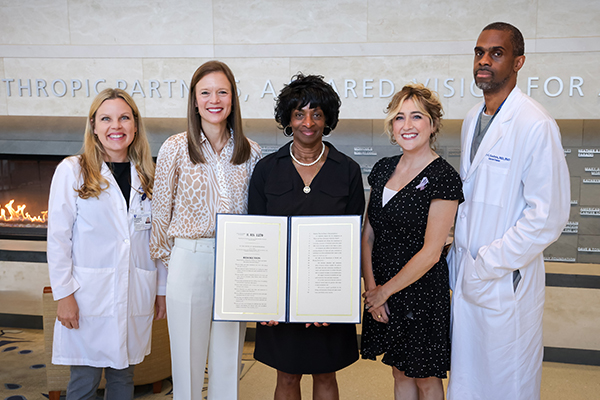

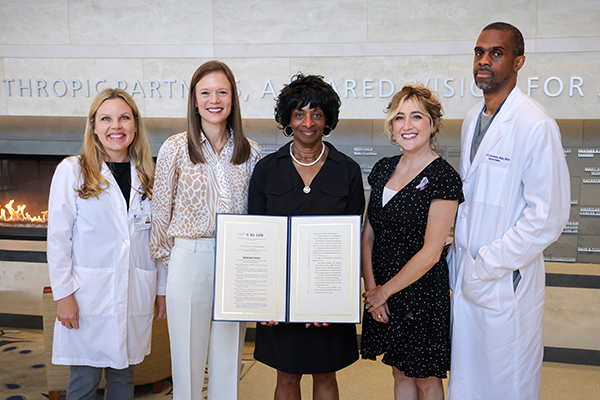
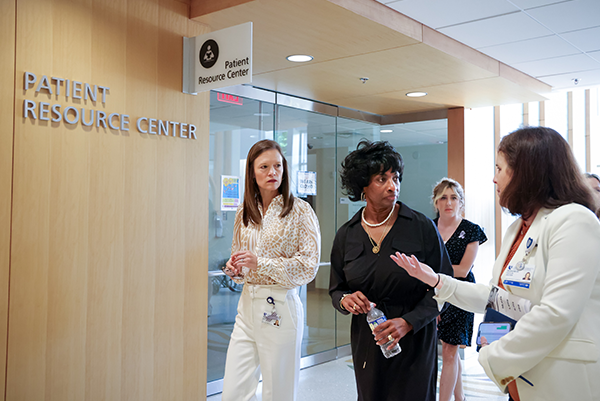


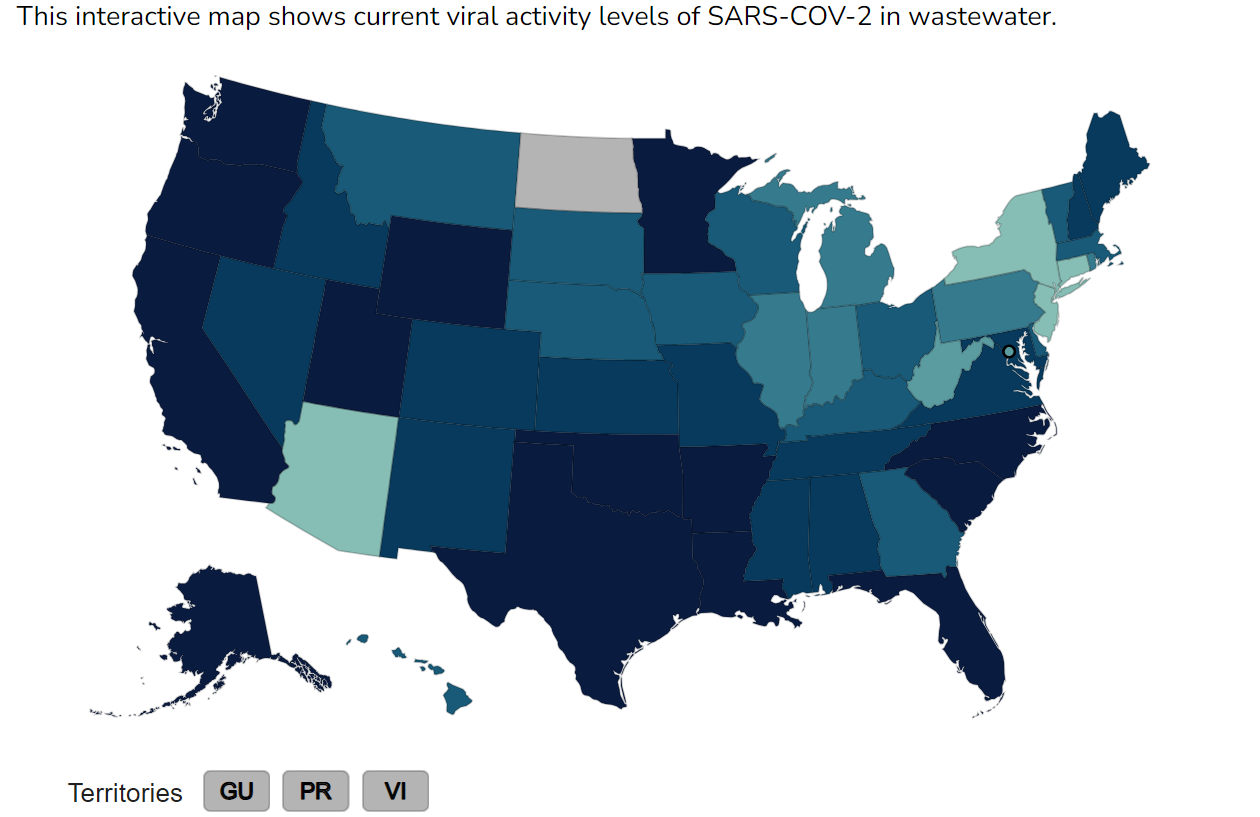

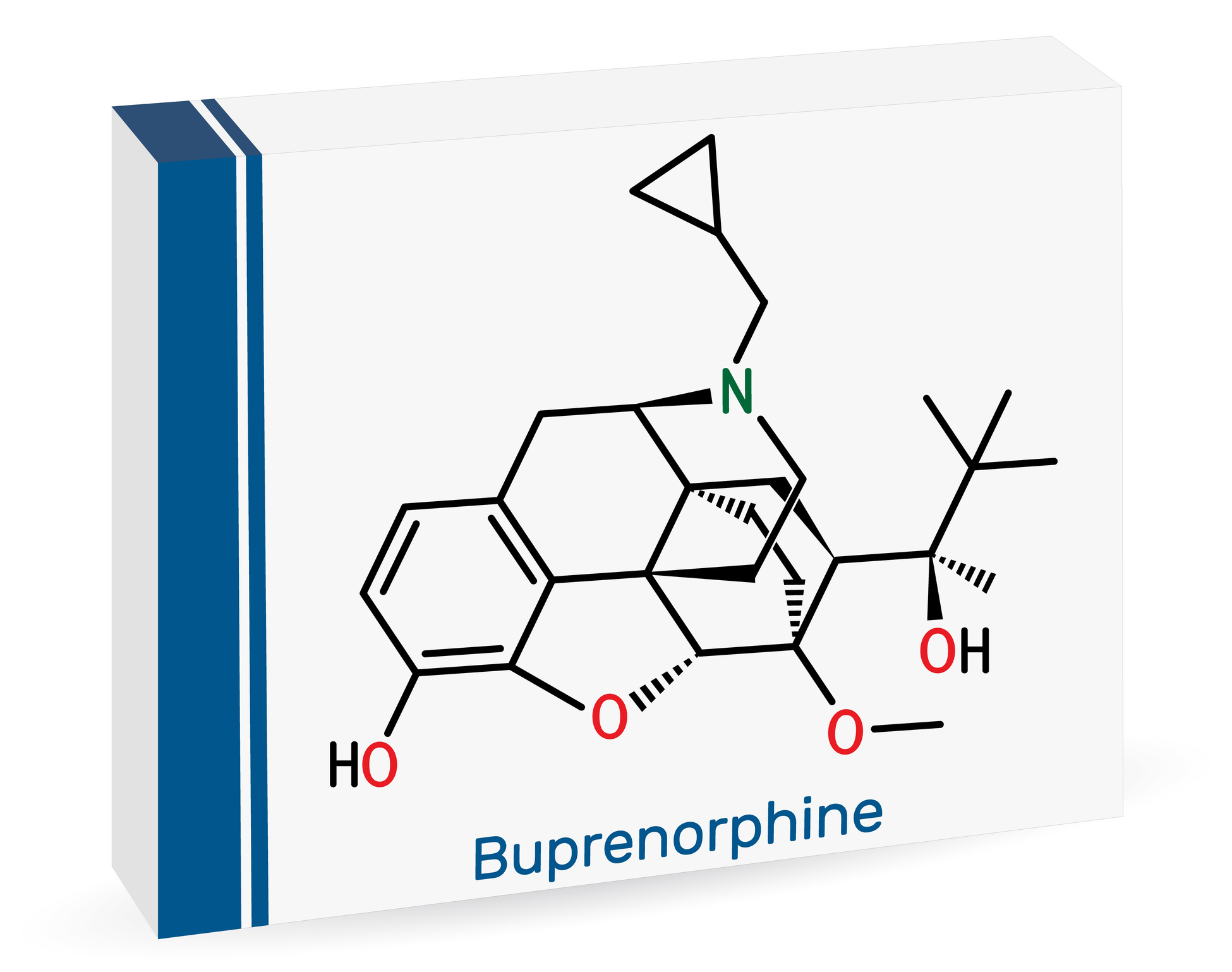























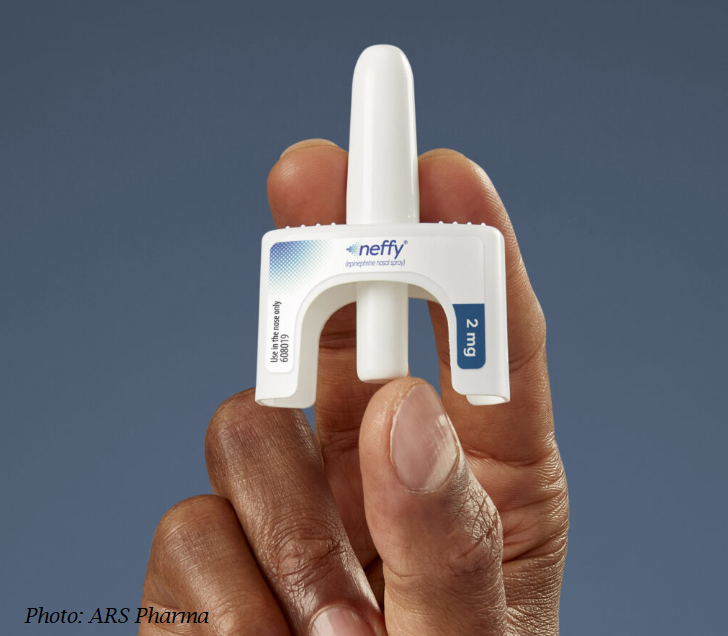
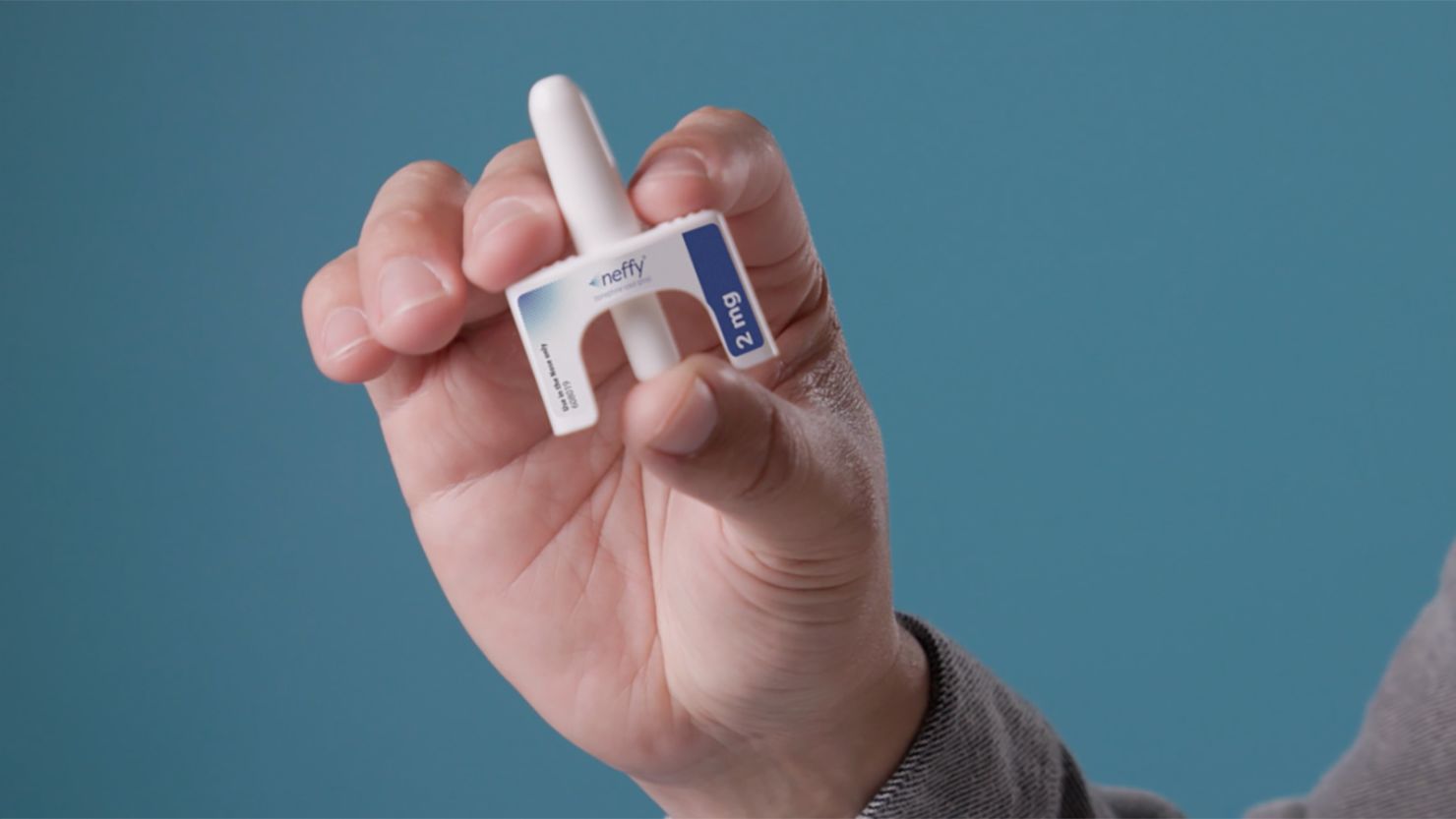














 [source]







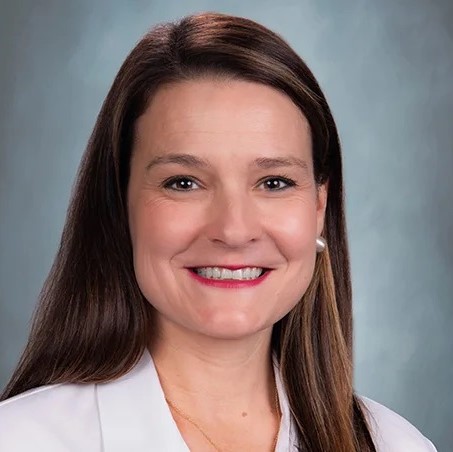











 (image credit: CDC)