

Dr. Irons HealthAssist Clinic opens at JOY Community Center, Honoring NCMS Life Member Thomas Irons, MD
The Dr. Irons HealthAssist Clinic at JOY Community Center officially opened its doors on Tuesday, September 10, following a ribbon-cutting ceremony led by NCMS Life Member Dr. Thomas Irons.
The clinic will provide free non-emergent health care and disease management services to uninsured individuals in the community.
Dr. Irons, a lifelong advocate for community health, served as the chief medical officer for Access East, a nonprofit ECU Health affiliate. He recently retired from his distinguished career as a professor at East Carolina University’s Brody School of Medicine, where he was also a pediatric physician. In recognition of his decades of service, Dr. Irons was awarded the Order of the Longleaf Pine, North Carolina’s highest civilian honor.
The clinic, also known as the Pitt County Care Clinic at JOY, is housed within the same building as the JOY Soup Kitchen and has been serving patients in various capacities for over a year. It provides comprehensive wraparound health services, including medication assistance, patient education and connections to local resources. The clinic also hosts regular outreach events with community partners such as PiCASO (Pitt County AIDS Service Organization) and the Food Bank of Central & Eastern North Carolina.
Equipped with two standard exam rooms, the clinic will offer free care for non-emergency conditions like colds, bug bites and rashes, as well as manage chronic illnesses such as heart disease, diabetes, high blood pressure and high cholesterol. In-house lab testing for A1C blood-sugar levels and cholesterol will be available, along with COVID-19 testing kits.
Uninsured patients from Pitt and surrounding counties, including Beaufort, Greene, Edgecombe, Hertford, and Martin, will also have the opportunity to join the Access East HealthAssist program, which helps coordinate more comprehensive health care at no cost.
The clinic is open weekdays from 10 a.m. to 2 p.m., with a nurse practitioner available on Wednesdays. Dr. Irons will mentor the clinic’s new nurse practitioner, a recent Duke University graduate. The JOY Community Center & Soup Kitchen is located at 700 Albemarle Ave. in Greenville. [source]


NCDOI Revises Uniform Credentialing Application, Removing Barrier to Mental Health Treatment for Healthcare Workers
The North Carolina Department of Insurance (NCDOI) has revised its Uniform Credentialing Application, removing one of the most substantial barriers to mental health treatment for healthcare workers.
NCCPRW was founded in 2016 in response to concerns raised by the North Carolina Medical Society regarding invasive language in licensing renewal materials.
Raleigh, NC (September 17, 2024) – Earlier this year, the North Carolina Clinician and Physician Retention and Well-being (NCCPRW) Consortium and the Dr. Lorna Breen Heroes’ Foundation (DLBHF) launched a statewide initiative, ALL IN: Caring for North Carolina’s Caregivers (ALL IN: C4NCC), to support the state’s hospitals and health systems in improving workplace policies and practices that reduce burnout, normalize help-seeking, and strengthen professional wellbeing.
In just five short months, we have accelerated our impact on improving the well-being and mental health of North Carolina’s health workers through collaboration with the North Carolina Department of Insurance (NCDOI) to ensure their Uniform Credentialing Application is free from intrusive mental health questions and stigmatizing language. The NCDOI’s application is used by many of the state’s hospitals to credential their medical staff.
Like everyone, healthcare workers deserve the right to seek the mental health care they need—without the fear of losing their job. Yet, physicians, nurse practitioners, physician associates, and other clinicians fear losing their credentials because of overly broad and invasive mental health questions that are stigmatizing and discriminatory. According to The Physicians Foundation’s 2024 Survey of America’s Physicians, four in 10 physicians, more than four in 10 (44%) residents and half (50%) of medical students were either afraid or knew another colleague fearful of seeking mental health care given questions asked in medical licensure/credentialing/insurance applications.
We’re grateful for the NCDOI and the North Carolina Association of Health Plans (NCAHP) for their partnership in removing one of the most substantial barriers to mental health care for health workers. Their efforts enable organizations across the state that use their uniform credentialing application to move forward with this crucial update, fostering a more supportive environment for those who care for us all.
As a next step in the ALL IN: C4NCC program, hospitals and health systems, who verify their credentialing applications and peer reference forms are free of intrusive mental health questions, will be recognized as Wellbeing First Champions at the 2024 North Carolina Medical Society LEAD Conference.
If your hospital or health system is interested in becoming a Wellbeing First Champion, access the free toolkit and verification submission form at www.drlornabreen.org/removebarriers.
About North Carolina Clinician and Physician Retention and Well-being (NCCPRW) Consortium
The North Carolina Clinician and Physician Retention and Well-being Consortium (NCCPRW) is a collaborative initiative aimed at identifying and developing strategies to reduce stress and improve well-being among the healthcare workforce at the individual, organizational, and state level. Founded in 2016 in response to concerns raised by the North Carolina Medical Society (NCMS) regarding invasive language in licensing renewal materials, the Consortium has evolved into a proactive force advocating for the mental health and wellness of healthcare professionals. In 2024, the Consortium transitioned into a 501(c)(3) nonprofit organization to further its mission. For more information, contact Monecia Thomas, PhD, mthomas@ncmedsoc.org.
About Dr. Lorna Breen Heroes’ Foundation
The Dr. Lorna Breen Heroes’ Foundation’s vision is a world where seeking mental health care is universally viewed as a sign of strength for health workers. We believe every health worker should have access to the mental health care and professional well-being support that they may need, at every moment in their career. We carry out this mission by accelerating solutions, advancing policies, and making connections that put our healthcare workforce’s well-being first. For more information, visit drlornabreen.org.
NC Statewide Peer Warmline. A Resource for Individuals in Crisis.
The statewide Peer Warmline is a phone line staffed by Peer Support Specialists who offer non-clinical support and resources to those in crisis. Peer Support Specialists (or “peers”) are people living in recovery with mental illness and/or substance use disorder who provide support to others who can benefit from their lived experience. Their unique expertise helps reduce stigma while strengthening overall engagement in care. Like 988, North Carolina's Peer Warmline is available 24 hours a day, 7 days a week.
- Call 1-855-PEERS NC (855-733-7762) 24/7
- Available to all North Carolinians
People in need of assistance and wanting to speak with a peer can call the Peer Warmline at 1-855-PEERS NC (1-855-733-7762), and people who call 988 will have the option to connect with the Peer Warmline if they prefer to speak with a peer.
Both the NCDHHS Peer Warmline and 988 are available to anyone, anytime. If you or someone you know is struggling or in crisis, help is available.

Research to Practice: Update in Bladder Cancer
Research to Practice: Update in Bladder Cancer
Wednesday, September 25
12:00 - 1:00 PM
Live Webinar
Matthew I. Milowsky, MD, FASCO, will discuss aspects of bladder cancer including the role of biomarkers in the management of bladder cancer, the role of perioperative therapy for muscle-invasive bladder cancer, and treatment strategies for advanced/metastatic bladder cancer.
Learning Objectives
- Discuss the role of biomarkers in the management of bladder cancer
- Describe the role of perioperative therapy for muscle-invasive bladder cancer
- Identify treatment strategies for advanced/metastatic bladder cancer
Learn more and register here.
Download a printable/sharable flyer:

Wastewater Data Shows Virus That Causes Paralyzing Illness is Spiking in U.S.
A respiratory virus that sometimes paralyzes children is spreading across the U.S., raising concerns about another possible rise in polio-like illnesses.
Wastewater samples have detected a significant escalation in an enterovirus called D68, which, in rare cases, has been linked to acute flaccid myelitis, or AFM. The illness affects the nervous system and causes severe weakness in the arms and legs. This most often occurs in young children.
“We are detecting EV-D68 nucleic acids in wastewater across the country now, and the levels are increasing,” said Alexandria Boehm, program director of WastewaterSCAN, a nonprofit monitoring network and a professor of civil and environmental engineering at Stanford University.
The D68 enterovirus strain started causing more serious problems in 2014, when the U.S. saw, for the first time, a spike in pediatric AFM. That year, 120 kids were diagnosed.
There's no cure or specific treatment for the paralysis. Even with years of intensive physical therapy, many are left with life-altering disabilities.
Continue to the full article here.
Overwork, Stress, Depression: Where Do the Healers Go for Help?
Mark your calendar for an important program on mental health and support resources for healthcare providers.
Overwork, Stress, Depression: Where Do the Healers Go for Help?
Thursday, October 10 at 6:15pm
RSVP by October 1 to admin@ncmsalliance.org or 919-810-4081
Today is National Physician Suicide Awareness Day. Let's Shed Light on This Critical Issue!
National Physician Suicide Awareness Day sheds light on the critical issue of physician suicide and the urgent need for increased support across the health care industry. It is a call to action for everyone in the medical community to prioritize physician well-being and advocate for resources and support that help prevent physician burnout and suicide. Physicians often endure intense mental health challenges due to the rigorous demands of their profession, yet stigma often prevents them from seeking help. This day encourages open conversations about these challenges and promotes awareness to reduce stigma and improve mental health support systems for physicians. Addressing the elevated risk of suicide among physicians is vital, as their well-being directly impacts the quality of patient care.
Healthcare organizations across North Carolina are recognizing this and taking steps to implement comprehensive mental health programs, fostering a compassionate and supportive environment for their medical staff. The North Carolina Medical Society (NCMS), along with key stakeholders across the state, dedicate their efforts and resources to address clinician and physician stress and burnout through the North Carolina Clinician and Physician Retention and Well-being (NCCPRW) Consortium. This year the Consortium transitioned into a 501(c)(3) nonprofit organization to further its mission and began a partnership with the Dr. Lorna Breen Heroes’ Foundation to launch the ALL IN: Caring for North Carolina’s Caregivers this April. “The partnership between the North Carolina Clinician and Physician Retention and Well-being (NCCPRW) Consortium and the Dr. Lorna Breen Heroes’ Foundation (DLBHF) is a significant step towards prioritizing the well-being of healthcare workers. Focusing on suicide prevention during September is crucial, and it’s heartening to see such initiatives being aligned with the quintuple aim, which emphasizes healthcare worker well-being.” shared Christina Bowen, MD, NCCPRW President, ECU Chief Well-being Officer, and dedicated NCMS member.
ALL IN: Caring for North Carolina’s Caregivers seeks to support the state’s hospitals and health systems in improving workplace policies and practices that reduce burnout, normalize help-seeking, and strengthen professional well-being—accelerating impact to improve North Carolinian health workers’ well-being and mental health. This work began through the establishment of the Dr. Lorna Breen Heroes’ Foundation in memory of Lorna Breen, a sister, a daughter, a friend, and a physician who died by suicide shortly after the COVID pandemic began. Dr. Lorna Breen had no prior mental health issues (known or suspected) and no history of depression or anxiety, but after contracting COVID herself, and returning to work in the NYC emergency department to an overwhelming number of severely sick patients and a lack of resources and help, she became so overworked and despondent that she was unable to move. Despite giving everything she had to care for her patients, she worried about the stigma associated with physician burnout and mental health struggles. She feared that seeking help could lead to professional consequences, a loss of respect, and jeopardize her career. This fear, experienced by many healthcare professionals, underscores the critical need for a culture shift in medicine where physician well-being is prioritized, and mental health support is readily available without fear of retribution. Lorna’s story serves as a powerful reminder of the urgent need for systemic changes to support healthcare professionals, ensuring they have the resources, support, and understanding they need to sustain both their mental and physical health.
The NCCPRW & DLBHF invite hospitals and health systems across the state to join us in prioritizing the mental health and well-being of North Carolina’s healthcare workforce. Click here to find more information about the ALL IN: C4NCC initiative.
Please contact Monecia Thomas to learn more.

Lawmakers, Including NCMS Member Greg Murphy, Introduce Radiologist-Supported Bill to Punish Payers Who Fail to Pony up Under NSA

Lawmakers on Friday introduced a radiologist-supported bill to punish payers that fail to pony up in surprise-billing disputes.
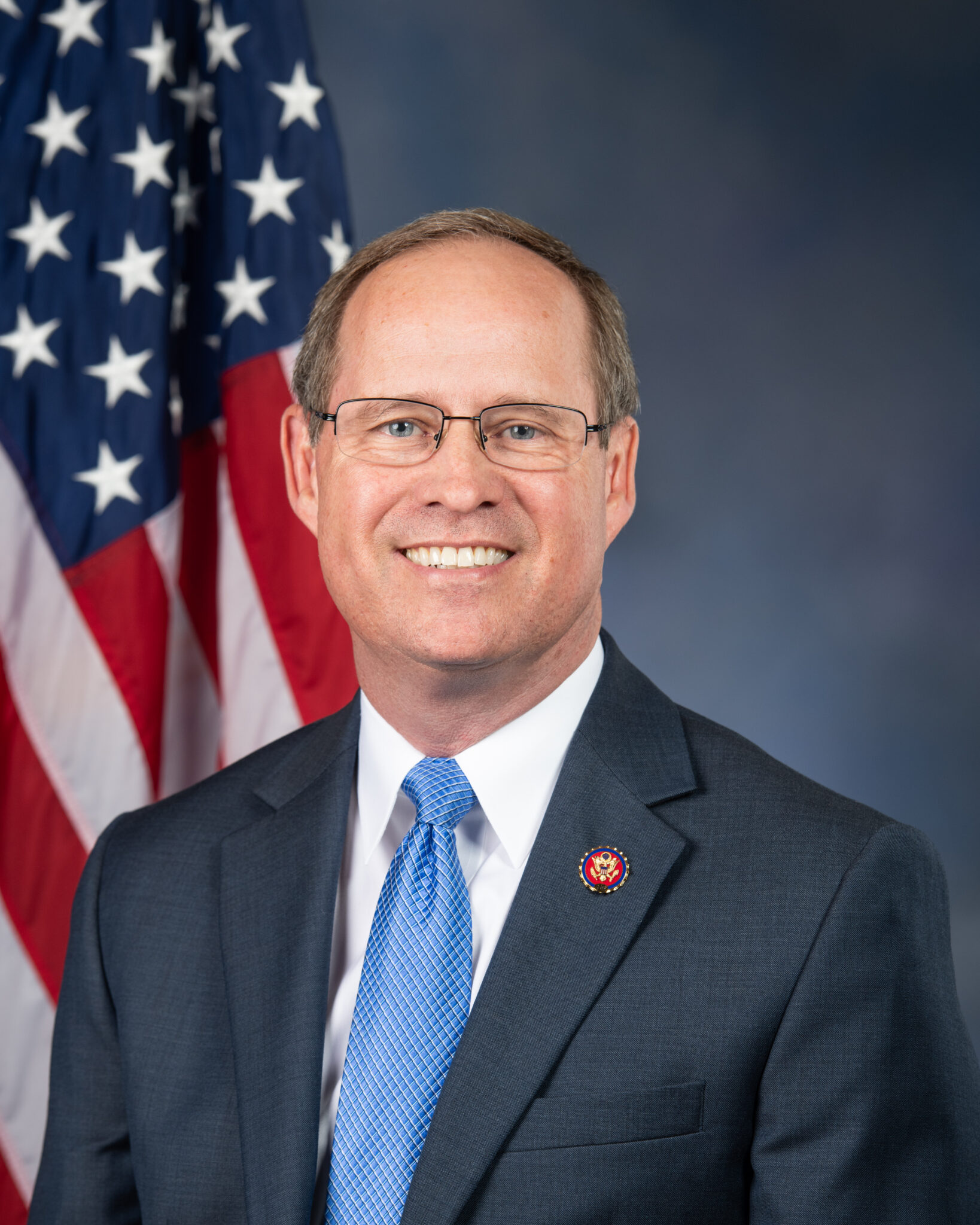
(Radiology Business, Marty Stempniak) -- NCMS member Rep. Greg Murphy, MD, R-N.C., unveiled the No Surprises Enforcement Act on Sept. 13, joined by Reps. Raul Ruiz, MD, D-Calif., and John Joyce, MD, R-Penn. The bill would close “enforcement gaps” under the landmark legislation, increasing penalties for health insurers that refuse to issue payment after losing disputes over out-of-network care.
Murphy and colleague’s legislation comes after Medicare recently released data, showing the agency had received over 16,000 complaints under the NSA. Top complaints against health plan issuers included issuing late reimbursement after disputes were resolved and failure to conform with requirements to issue reimbursements (or a notice of denial) within 30 days.
"The bipartisan No Surprises Act was a significant step forward in our efforts to end surprise medical bills. However, we now need to ensure the proper implementation of the legislation," co-sponsor and Rep. Jimmy Panetta, D-Calif. Said in a statement shared Sept. 13. “I’m proud to introduce a bipartisan bill that would increase penalties for entities that fail to protect the health and financial well-being of patients. Our bill would give the No Surprises Act the necessary strength to shield working families from unexpected medical expenses by actually enforcing the law."
In addition, the No Surprises Enforcement Act also would increase transparency in reporting requirements and provide “parity between penalties imposed against parties noncompliant with statutory patient protection provisions,” Panetta and colleagues noted. The legislation is supported by the American College of Radiology, American College of Emergency Physicians and the American Society of Anesthesiologists. The three medical societies have banded together in recent years to advocate on policy related to surprise billing.
ACR et al. noted Friday that House Resolution 9572 would impose a penalty three times the difference between the insurer’s initial payment and the independent dispute-resolution entity’s ruling per claim. The amount also be subject to compounding interest.
“There is a real need for accountability after disputes are resolved under the No Surprises Act, because right now insurance companies are often just not paying,” Alan Matsumoto, MD, chair of the American College of Radiology Board of Chancellors, said in a statement. “This situation may leave clinicians in financial peril, which in turn threatens the access to care for patients that the No Surprises Act was supposed to protect. The ACR supports this legislation and its sponsors’ continued work to protect the principles of the No Surprises Act.”
“With this bill, big insurance companies that have been gaming the No Surprises Act system will be held accountable,” American Society of Anesthesiologists President Ronald L. Harter, MD, said in the same statement. “Insurers are required to make a payment after they lose in the IDR process within 30 days, which they have failed to do in many cases. This jeopardizes the sustainability of anesthesia practices, particularly small and medium sized community-based practices, and threatens the public’s access to healthcare.”
Additional Reading
Greg Murphy Updates on Personal Health Scare.
NCMS Candidate Series Dr. Greg Murphy
Greg Murphy Shows Support for Project VBOT
Click Here for a guide to the 2024 Ballot

Register Now for Sustainability of the HIV/AIDS Response – Getting to 2030 & Beyond
The state of the HIV/AIDs endemic is reaching a critical point requiring evaluation of the current state of the global response, progress made thus far, and planning for post-2030 goals. The National Academy of Medicine is hosting a timely international meeting to facilitate discussion on these issues.
This one-day workshop is being held on September 18, 2024, from 9:00 AM – 5:00 PM US Eastern. Ambassador John N. Nkengasong, the Senior Bureau Official for Global Health Security and Diplomacy at the U.S. State Department, will deliver the opening remarks. His address will set the stage for discussions across three subsequent panels.
Broadly, the goals of this workshop are to:
- Explore how we can re-energize the global HIV response to reach the 2030 goals but also to look beyond.
- Craft strategies to increase and sustain political commitment.
- Highlight global accountability and domestic-donor financing.


A Guide to Your 2024 Ballot
(Axios, Lucille Sherman and Alex Sands) -- Election Day is less than two months away, but voting is expected to start in just a few weeks. From school board races to the presidential race, you'll have quite a few decisions to make on this year's ballot.
Why it matters: Your vote always matters. But this year, North Carolina voters may decide the race for president. Voters could also help decide which party controls Congress and whether Republicans hold their supermajority in the state legislature.

To see what will be on your specific ballot:
Head to the state's voter registration lookup, search your name, and scroll until you see a heading titled "YOUR SAMPLE BALLOT." Click the link under "Your Sample Ballot(s)."
Key dates
Sept. 20: Military and oversees absentee ballots go out to people who've requested them, according to the state elections board.
Sept. 24: All other absentee ballots begin being mailed.
Oct. 11: Last day to register to vote. Do so by 5pm, unless you plan to take advantage of same-day registration during the early voting period.
Check that you're registered to vote and your information is up to date here.
Oct. 17: In-person early voting begins. Find early voting sites.
Oct. 29: Last day to request your absentee ballot. Do so by 5pm.
Nov. 2: In-person early voting ends at 3pm.
Nov. 5: Election Day. Polls are open 6:30am-7:30pm.

Don't forget your driver's license or another acceptable photo ID from this list.
Absentee ballots must be returned by 7:30pm. Here's everything you need to know about voting by mail.
Of note: Absentee ballots were scheduled to go out on Sept. 6 but that date was pushed back after the state Supreme Court ordered county elections boards to reprint ballots without former presidential candidate Robert F. Kennedy Jr.'s name on them.
Important Races Across the State

While the presidential contest takes most of the attention this fall, there are many critical races down the ballot.
Here are some of the biggest state and local contests:
Statewide races
Governor: Mark Robinson (Republican) is running against Josh Stein (Democrat) to replace term-limited Democratic Gov. Roy Cooper in one of the most expensive and competitive governor's races in the country, one that will determine which party has veto power.
- Robinson is backed by Trump and has been vocal about ensuring parents' right to have a say in what their children are taught. As the state's attorney general, Stein helped win a $26 billion opioid settlement, the second-largest state attorney general settlement in history.
Attorney general: Dan Bishop (Republican) is running against Jeff Jackson (Democrat) to be the state's top law enforcement officer, which is often a pipeline to the governor's mansion.
Superintendent of public instruction: Maurice (Mo) Green (Democrat) vs. Michele Morrow (Republican).
- The state superintendent is the "face" and head of the Department of Public Instruction, managing a $11 billion public school budget annually.
- Morrow, who upset incumbent Republican Superintendent Catherine Truitt in the primary, has captured national attention for her contentious past statements, such as calling public schools "indoctrination centers." She also attended the Jan. 6, 2021, attack on the U.S. Capitol and homeschooled her children.
- Green was formerly the executive director of the Z. Smith Reynolds Foundation, superintendent of Guilford County Schools and general counsel for the Charlotte-Mecklenburg Board of Education.
N.C. Supreme Court associate justice, seat 6: Jefferson Griffin (Republican) vs. Allison Riggs (Democrat, incumbent).
- Republicans seized a 5-2 majority on the court in the 2022 election, and the winner of this seat will determine if Democrats continue to hold two seats.
7 NCMS Members will be on the 2024 General Election Ballot

North Carolina has six physicians and one physician assistant contending for legislative seats in the 2024 General Election.
NC House of Representatives
Grant Campbell, MD – Ob/Gyn / Concord, NC
Ralph Carter, MD – Orthopaedic Surgery / Laurinburg, NC
Timothy Reeder, MD – (incumbent)Emergency Medicine / Greenville, NC
NC Senate
David Hill, MD – Pediatrics / Wilmington, NC
Mark Hollo, PA – Retired / Conover, NC
US House of Representatives
Steve Feldman, MD – Dermatologist / Winston-Salem, NC
Greg Murphy, MD – (incumbent) Urologist / Greenville, NC
Interviews with each candidate are posted online at the NCMS website and can be accessed at the QR code below.

Join the Discussion. Patients With Pain Need Individualized Care: How Policy is Shifting

Tuesday, September 17th
12 p.m. CT / 1 p.m. ET
The Federation of State Medical Boards recently adopted revisions to its recommendations relating to opioids and pain care that focus on individualized, patient-centered care.
Hear about:
- The new guidelines and how they were updated
- Recommendations and expectations for medical boards
- How medical boards are addressing access to treatment for patients with pain
Register now for this webinar.
Moderator:
- Michael Suk, MD, JD, MPH, MBA, chair, AMA Board of Trustees
Speakers:
- Humayun Chaudhry, DO, president and CEO, Federation of State Medical Boards
- Sarvam TerKonda, MD, past chair, Federation of State Medical Boards
- Sherif Zaafran, MD, board member, Federation of State Medical Boards
If you are unable to attend live, a recording of the presentation will be emailed out to all registrants.
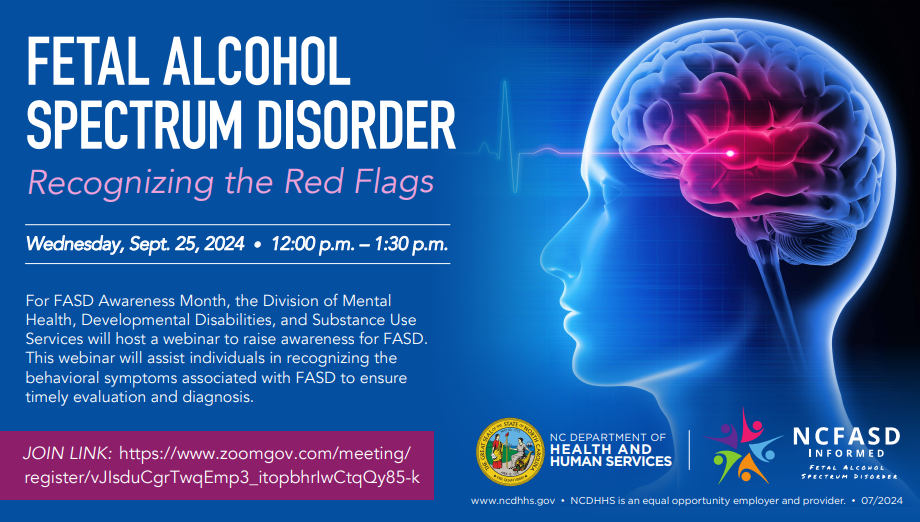
Learning Opportunity: Fetal Alcohol Spectrum Disorder Webinar
September is Fetal Alcohol Spectrum Disorder (FASD) Awareness Month and an opportunity to raise awareness of individuals with FASD. Alcohol exposure is the leading cause of intellectual and developmental disabilities (I/DD) in the US and results in a variety of diagnoses, collectively referred to as FASD. In North Carolina, approximately 6,000 children, or 1 in 20, are born every year with FASD.
NCDHHS' Division of Mental Health, Developmental Disabilities, and Substance Use Services will host a webinar to raise awareness for FASD on September 25 from noon to 1:30 p.m.

NCDHHS Releases New Report on Transforming Behavioral Health System

The North Carolina Department of Health and Human Services announced the release of a new report, Transforming North Carolina’s Behavioral Health System: Investing in a System That Delivers Whole-Person Care When and Where People Need It. The report outlines the state’s expansive and strategic efforts to transform the public behavioral health system to deliver high-quality, equitable, accessible care that meets people where they are in their communities.
The North Carolina General Assembly last year invested $835 million to strengthen the state’s behavioral health system — a historic commitment to improving the health, well-being and day-to-day lives of North Carolinians and their families. The new report details the sweeping changes NCDHHS has made over the past seven years and continues to make using these investments, including strengthening the state’s system of care for people experiencing a crisis, expanding treatment options for children and youth with complex needs, improving outcomes for people involved in or at risk to enter the justice system, and supporting the behavioral health workforce.
"Too often, an underfunded behavioral health system leaves people behind in their most vulnerable moments, particularly children facing mental health challenges and other crises," said Governor Roy Cooper. "That must change and we have an opportunity to make a transformational investment in North Carolina that addresses people's critical needs and strengthens families and communities. I appreciate the collaborative work of state health leaders to ensure we have a comprehensive plan to transform behavioral health services across our state to help more people."
"By investing in behavioral health, we are expanding access to care and saving lives," said NC Health and Human Services Secretary Kody H. Kinsley. "This is what real change looks like – our workforce, our communities and our state leaders coming together to transform our system to provide care when and where it’s needed most. We will continue to work with our partners to ensure that every North Carolinian can access mental health and substance use services."
The report also outlines the department’s work over the last several years to lay the foundation for a reformed behavioral health system, including expanding Medicaid to 600,000 people without health care coverage, transitioning to Medicaid managed care to better integrate physical and behavioral health, and launching the specialty Tailored Plans for people with behavioral health needs, intellectual and developmental disabilities and traumatic brain injuries. The report demonstrates how these initiatives enabled NCDHHS to more readily allocate and distribute funding directly into communities to ensure investments began serving North Carolinians as quickly as possible.
Read the full release here.
Questions Loom Around Need for Mpox Vaccine Boosters in the US
As a deadly mpox outbreak continues to spread in Africa and other parts of the world, questions are emerging about whether some vulnerable people in the United States may need booster doses of the mpox vaccine.
Last month, the World Health Organization declared an mpox outbreak in the Democratic Republic of Congo to be a public health emergency of international concern, and the outbreak has spread to a growing number of countries in Africa.
Mpox, formerly known as monkeypox, is characterized by two genetic clades, I and II. This outbreak involves a subtype called clade Ib, a relatively new strain that causes more severe disease.
A global outbreak in 2022 was caused by clade IIb mpox, spread primarily through sexual contact. More than 30,000 people in the United States were infected in that outbreak, which was also declared a public health emergency of international concern. But vaccination with the Jynneos mpox vaccine helped slow transmission to the point where the virus was almost gone in the US.
Continue to full article here.

Registration Now Open for the 2024 NCCHCA Annual Clinical Conference

NCCHCA Annual Clinical Conference
November 7-8, 2024
UNC Charlotte Marriott Hotel & Conference Center
Charlotte, NC
Join NCCHCA November 7-8, in Charlotte, for the 2024 Clinical Conference on Quality & Chronic Diseases, a professional training event providing continuing education and networking opportunities with clinical and administrative leaders. Nationally recognized health care experts will share knowledge with safety-net health care providers on cutting-edge trends and quality improvement methods.
Learn more and register here.
NCMS Political Pulse September 13, 2024
In this week's Political Pulse, John Thompson, NCMS Vice President of Advocacy, talks about the latest issues at the North Carolina General Assembly as lawmakers return to Raleigh for more of the 2024 Short Session. Prior Authorization again is top of mind for NCMS members, and Thompson outlines what to expect as state and national elections draw near.
https://youtu.be/7NNIk2mAJzo

Take A "Swing for Pink" in October

Take a “Swing for Pink” at the upcoming charity golf tournament to benefit the Central Carolina Hospital Auxiliary’s Breast Cancer Comfort Care Fund.
The event is set for Sunday, October 6, starting at 12:30 pm at Carolina Trace Country Club. A golf tournament in scramble format will be followed by a cocktail party with door prizes. For more information or to register, email April Fleming at afleming@carolinatracecc.com.
The Central Carolina Hospital Auxiliary Breast Cancer Comfort Care Fund was established in 2011 to help breast cancer patients with "extra comfort items" and "screening/testing" that may not be covered by insurance, as well as patients who are uninsured or have financial constraints. The fund is available to women as well as men.
Comfort items include head coverings such as caps, scarves, hats, wigs, and other specialty items that may be required. They may also include mastectomy bras, a breast prosthesis, or compression garments for patients with lymphedema (an accumulation of lymph fluid in the layers of skin that cause persistent swelling in the arm or breast). Some examples of screenings include screening mammograms, diagnostic mammograms and breast biopsies.
To learn more about the fund, visit www.centralcarolinahosp.com and search for Auxiliary Breast Cancer Comfort Care Fund. Or you can contact CCH Volunteer Services at 919.774.2100 or visit www.cchaux.com.

Governor Roy Cooper Proclaims Prostate Cancer Awareness Month


ROY COOPER
GOVERNOR
PROSTATE CANCER AWARENESS MONTH
2024
BY THE GOVERNOR OF THE STATE OF NORTH CAROLINA
A PROCLAMATION
WHEREAS, prostate cancer is the second most common cancer among men in the United States and second leading cause of cancer-related deaths among men in the United States, and in North Carolina; and
WHEREAS, in 2024, it is estimated that 9,094 men in North Carolina will be diagnosed with prostate cancer, and 1,207 men will die from this disease; and
WHEREAS, prostate cancer impacts people of all races and ethnicities, with African Americans experiencing the highest incidence and mortality rates in North Carolina; and
WHEREAS, men can reduce their risk of prostate cancer by having a healthy lifestyle, being physically active, eating healthy foods, limiting or eliminating their alcohol intake, quitting tobacco and vaping use, and knowing their family history of prostate cancer; and
WHEREAS, the NC Comprehensive Cancer Control Program encourages men to talk to a health care provider to determine whether they should be screened for prostate cancer; and if a screening results in a diagnosis, they can learn more from their health care provider about the disease, determine treatment that considers a quality-of-life balance in accordance with their unique diagnosis, and find support groups and services in their community or online; and
WHEREAS, the State of North Carolina encourages people to become informed about cancer detection and to raise awareness, promote resources, and advocate support for men and their families affected by prostate cancer in our communities;
NOW, THEREFORE, I, ROY COOPER, Governor of the State of North Carolina, do hereby proclaim September, 2024, as “PROSTATE CANCER AWARENESS MONTH” in North Carolina, and commend its observance to all citizens.
________________________________________
Roy Cooper
Governor
IN WITNESS WHEREOF, I have hereunto set my hand and affixed the Great Seal of the State of North Carolina at the Capitol in Raleigh this fourth day of September in the year of our Lord two thousand and twenty-four and of the Independence of the United States of America the two hundred and forty-ninth.
Download a printable pdf here.

Register Now! 2024 Addiction Medicine Essentials Virtual Conference
2024 Addiction Medicine Essentials Conference
Friday, October 18, 2024 - Saturday, October 19, 2024
Virtual
The 7th annual Addiction Medicine Essentials conference provides an opportunity for clinicians from a wide range of specialties and practice settings to build knowledge and skills around substance use disorders.
The conference offers plenaries relevant to all providers as well as intro level workshops for those new to addiction medicine and more advanced content for experienced addiction medicine clinicians.
Learn more about the conference, including how to register here.
Additional Articles of Interest
Submit Your Application Today! Addiction Medicine Scholarship Opportunity.
NCTracks Multi-Factor Authentication Updates Coming Soon

In accordance with the North Carolina Identity Management (NCID) Citizen Identity Project, NCTracks is changing the User Login process and implementing Multi-Factor Authentication (MFA) updates. Please complete the following steps to update NCID profile:
These instructions are for Individual and Business users only, not Local and State Government users.
- Login to the MyNCID portal at https://myncid.nc.gov/ with your NCID Username and Password.
- You will see the Profile Information page upon successful login.
- Click on the MFA tab on your profile page.
- Click on the ADD ENROLLMENT button on the bottom right.
- A pop-up window will appear prompting you to choose an MFA method. Please note that office phone extensions are not supported.
- Follow the onscreen prompts to add your chosen MFA method.
For detailed instructions, including images of each step, refer to the NCID User Guide for MFA.
Important Note: Providers who do not currently use MFA will not be impacted at this time. MFA updates will be implemented through a phased approach. Until that time, your current login method will continue to work. However, you are being asked to update your profile to ensure a seamless transition to the new MFA method. You will receive further communication when your MFA is to be updated.
If you are an Individual or Business User who currently uses MFA, these updates will impact you on Sept. 15, 2024. Once these updates are implemented you are no longer required to access and maintain MFA using https://mfaportal.nc.gov/nctracksmfa/login.aspx. All profiles, including MFA, will be managed through https://myncid.nc.gov/ after implementation.
If you encounter issues during login or authentication, please contact the Department of Information Technology (DIT) helpdesk at 919-754-6000 or 800-722-3946 then select Option 1.
For more information and training videos, visit the NCID Citizen Identity Project | NCDIT training page.

NC Legislature Approves Medicaid Money -- But Not What DHHS Says is Needed. Follows Letter to NCGA Leaders from Chip Baggett

(Senate leader Phil Berger (R-Eden) said the General Assembly’s nonpartisan staff came up with the dollar amount that the Senate approved for the Medicaid rebase. Credit: Grace Vitaglione)
The state health department asked for $458 million to keep up with rising Medicaid costs
Approval comes one week after NCMS CEO Chip Baggett sent letter to NCGA Leadership to Support Increase
(NC HealthNews, Grace Vitaglione) -- The state legislature approved funding Wednesday to meet higher costs for NC Medicaid in the current fiscal year. But their number came in below what state health officials had been asking for — by about $81 million.
The state Department of Health and Human Services had asked for almost half a billion dollars to meet all of next year’s obligations for the program, which serves low-income children, some of their parents and low-income seniors.
But the General Assembly — which voted this week to approve their version of a “mini” budget document — only approved $277 million in recurring funds and an additional $100 million in one-time money to cover the requested $458 million.
The bill could be vetoed by Gov. Roy Cooper, but the legislature would be likely to override that veto.
(No state dollars are used to cover people who receive care as a result of Medicaid expansion. Money for that comes from different sources.)
House Speaker Tim Moore (R-Kings Mountain) said if there is a shortfall, it likely wouldn’t happen until 2025, when the legislature would be back in session and could take action to add in extra dollars.
Small changes, big dollars
The federal government pays most of North Carolina’s Medicaid expenditure, providing 65.91 cents of every dollar spent this fiscal year. Next year, that matching fund rate ticks downward to 65.06 cents for every dollar. In a program as large as Medicaid, even that small a change can make a multimillion-dollar difference.
Part of the money DHHS asked state lawmakers for is needed because the state will receive $136 million fewer federal dollars.
According to DHHS, the remainder of the requested $458 million is largely due to health care cost inflation.
NC Medicaid costs fluctuate each year, and DHHS forecasts how costs might change. They then ask the legislature for funding adjustments based on those predictions — known as the “rebase.”
Managed care plan rates, provider rates and technology upgrades are some of what drive Medicaid program costs, according to DHHS.
Now, the department is evaluating how to manage the Medicaid program with that $81 million shortfall and no additional funding for the costs associated with the Medicaid program’s switch from being state-run to being managed by large insurance companies.
Some other new costs include planning for a new Children and Families Specialty Plan, which will serve more than 30,000 current and former foster children and some of their family members.
On top of that, the department has a contract with an enrollment brokerage company that helps members to enroll in managed care plans. The department also manages multiple critical technology and operations contracts, which ease the administrative burdens on county partners, a department spokesperson wrote in an email.
Another impact could be to the NC Healthy Opportunities pilots, in which people on Medicaid can receive food, transportation or housing services, Melanie Bush, deputy director of the state’s Medicaid program, told NC Health News this summer. Plans for taking that program statewide may have to go on a back burner, she said.
Hashing out the budget
In North Carolina, lawmakers make a two-year budget in odd-numbered years right after an election. Then usually they come back in the second year of the legislative biennium to do budget adjustments and add money for desired projects.
But lawmakers left Raleigh earlier in the summer without making that second-year budget adjustment. Since no money was approved then, the gap was larger. Medicaid funds could have started running dry in the spring, Rep. Donny Lambeth (R-Winston-Salem) said at the time.
Senate leader Phil Berger (R-Eden) said the General Assembly’s nonpartisan fiscal research division came up with the dollar amount that the legislature approved for Medicaid.
“It’s not unusual for there to be some disagreement between the agency and other folks, but this is something that we’ve relied on our nonpartisan staff to give us a number, and that’s the number that’s in there,” he said.
If the money approved this week survives a possible gubernatorial veto, Medicaid won’t be totally underwater, even if the amount is too little. A DHHS spokesperson said the department plans to work “collaboratively and transparently” with partners to manage the shortfall.
Why does NC Medicaid need more money?
People enrolling in the program, costly drugs such as Wegovy, increased payments to managed care companies and increased services are some other factors in the rebase requirement, Bush said.
Money is also needed to update the information technology support for Medicaid and associated public benefits, a DHHS spokesperson said.
Senator Lisa Grafstein (D-Raleigh) said on the Senate floor Monday that changes in the Medicaid system can disrupt continuity of care for people in the program.
“People who rely on Medicaid can’t just dip into their savings,” she said.
Grafstein also complained that this mini-budget does nothing for the almost 18,000 people on a waitlist for an Innovations waiver, which allows people with intellectual and developmental disabilities to receive Medicaid services that help them live at home. Some of those folks have been waiting for over a decade to get a slot in the program.
Last year the legislature added funding for only 350 more slots for the Innovations waiver.
ADDITONAL READING FROM NCMS:
NCMS CEO Chip Baggett Asks NCGA Leadership to Support Increase in Medicaid Reimbursement
Will Physicians See Medicaid Rates Go Up in New NC Budget?

DYK NCMS Has Amazing Member Perks? Like Discount Subscriptions to Our State Magazine!
Get a discount on the premiere state magazine and a donation will be made to NCMS.
If you need another reason why it's good to be an NCMS member, this is it!
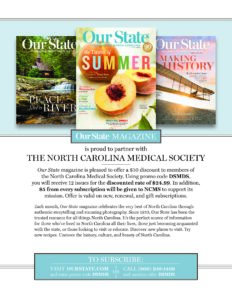
Click here to go to Our State Magazine. Don't forget to use promo code DSMDS

Stay Alert! Medical Records Request Phishing Scams on the Rise.
Phishing scams involving medical records are on the rise. These attempts may include scammers faxing fraudulent medical records requests to get you to send patient records in response; see example (PDF).
When you review any requests, look for signs of a scam, including:
- Directing you to send records to an unfamiliar fax number or address
- Referencing Medicare.gov or @Medicare (.gov)
- Indicating they need records to “update insurance accordingly”
A scam request may include:
- Poor grammar, misspellings, or strange wording
- Incorrect phone numbers
- Skewed or outdated logos
- Graphics that are cut and pasted
If you think you got a fraudulent or questionable request, work with your Medical Review Contractor to confirm if it’s real. Submit medical documentation through the Electronic Submission of Medical Documentation (esMD) system or CMS medical review contractor secure internet portals, when available.
Has your facility encountered this phishing scam?

Free Learning Opportunity: HIPAA Privacy and Security Training

This online, self-paced HIPAA Privacy and Security Training course will provide information on understanding the law and developing best practices within your office to ensure compliance. The course is not a complete summary covering every aspect of HIPAA, which is intended for educational purposes only and does not constitute legal advice. Consult an attorney if legal advice is needed. After completing this training course, the knowledge surrounding HIPAA and protecting patient information will provide confidence.
The objectives for this course include:
- Understand HIPAA’s privacy and security rules and how they relate to your job and patients.
- Understand the types of health information
- How to protect patient's health information
- Prevent intentional and unintentional disclosures of patient information and what to do in case of a breach.
- Understand what rights the patient has under the law.
- Helpful cybersecurity practical tips to use at work and home
For more information, including how to register, click here.
There is no fee for this training.

Atrium Health Unveils Treatment That Directly Targets Cancerous Tumors
Sixteen-year-old Miya Trigg is like any typical teenager, where playing softball and hanging out with her friends is what she lives to do. However, over the past year, her life has been anything but typical.
“I was getting really, really bad headaches,” Trigg said. “To where like I could take Tylenol and it wouldn’t stop.”
After several tests and scans, doctors at Atrium Health determined Trigg had a cancerous tumor at the base of her brain.
“Medulloblastoma. It’s basically a tumor that is very fast growing, and in some cases it’s aggressive,” Trigg explained.
And because it was located in such a critical part of Trigg’s brain, it required special equipment that Atrium Health did not have. That equipment delivers pinpoint radiation called proton beam therapy.
So Trigg ended up spending several months at a hospital in Jacksonville, Florida.
“It kind of pulled me away from my dad and my brother. It was kind of tough on my mom to be so far from them,” Trigg elaborated. “If there was a proton beam here, it would be so much more helpful for me and my parents.”
Well, now there is. Located off Morehead Street, Atrium Health built a center to house a 110-ton proton beam. It was installed through the roof, and it was so large that it moved in a three-story axis up and down.
NCMS member and radiation oncologist Roshan Prabhu called it a game-changer in fighting certain cancers. He explained one benefit of proton beam therapy is the precision of the radiation with fewer side effects.
“This Proton center will save lives, and it’s going to do it while minimizing potential side effects, and that’s really the key,” Prabhu said. So if you are trying to treat cancer here and have something you really care about next to it, like the spinal cord, heart, lungs, or things like that, you can treat very high dose radiation of the cancer and not give radiation dose to normal tissue next to it.”
Trigg said there are other benefits as well.
“That is a huge blessing, I would say, because they don’t have to travel as much and they can still see their family still go back to their family and pets,” Trigg elaborated.
Trigg continued that she is now on the road to beating cancer, with just one month left of chemo. She is already focused on her future.
“I want to go to college for sure, and I want to become a nurse anesthetist and help people because they helped me,” Trigg said. [source]
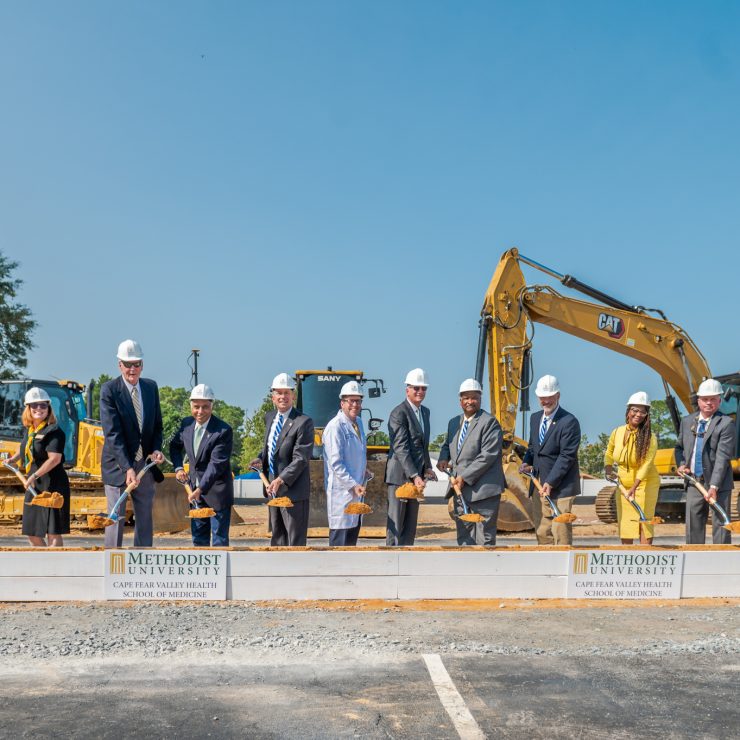
Groundbreaking Held for Methodist University Cape Fear Valley Health School of Medicine
(image credit: Methodist University)
The new Methodist University Cape Fear Valley Health School of Medicine officially broke ground on a $60-plus-million facility – a significant milestone in changing the future of healthcare in Fayetteville, Cumberland County, and the entire Southeastern North Carolina region.
In front of hundreds of key members of the community – that included political leaders, donors, partners, community organizations, doctors, nurses, and media – leadership from Methodist University, Cape Fear Valley Health, and the School of Medicine announced the start of construction for a new five-story facility that will be located on the western edge of Cape Fear Valley Medical Center along Village Drive.
“This is an historic occasion, and I’m privileged to be a part of it,” said Methodist University President Stanley T. Wearden. “This is a collective project, and it has a lot of people behind it who believe in it deeply. At Methodist University, we’re committed to students and alumni success in the context of a mission that values community service, which is why we have our various Health Sciences programs that will soon include the Methodist University Cape Fear Valley School of Medicine. But this is not about MU alone. Without our partnership with Cape Fear Valley Health, this could not happen.”
The 127,500-square-foot, 200-room building (that will add nearly 300 parking spaces) will feature learning centers, state-of-the-art classrooms, community and multi-purpose rooms, student lounges, a commons area, virtual anatomy laboratory, fully equipped standardized patient lab, conference rooms, and space for faculty and staff, along with an entrance plaza, learning garden, and courtyard outside of the building. The goal for welcoming the first cohort of students is the fall of 2026, pending approval by the Liaison Committee on Medical Education (LCME) and SACSCOC (Southern Association of Colleges and Schools Commission on Colleges).
Read the full article here.

NCDHHS Fireside Chat and Tele-Town Hall: Youth Vaping Prevention and Support in Schools
The North Carolina Department of Health and Human Services will host a live fireside chat and tele-town hall on Thursday, September 12, from 6 to 7 p.m., to discuss how educators and community leaders can address youth vaping and best support North Carolina students.
Event participants include:
- Nnenne Asi, MPH, Youth and Young Adult Tobacco Cessation Coordinator, Tobacco Prevention and Control Branch, NCDHHS
- Teresa Beardsley, Tobacco Prevention Manager, Albemarle Regional Health Services
- Chanda Battle, EdD, Director of Student Support Services, Edgecombe County Public Schools
- Charlene Zorn, Parent Advocate
More than two million students nationwide use e-cigarettes, also known as vapes, and one in four of these students vape every day. In North Carolina, more than 12% of high school students use tobacco products and more than 9% use vapes. Many middle and high school students who vape want to quit and have tried to do so.
Fireside chat and tele-town hall panelists will discuss:
- The impacts of vaping on youth
- Signs children and teens may be vaping and how to help
- Where to find free vaping prevention resources and programs
- Ways schools can help prevent youth from vaping or help them quit, including alternatives to suspension
Tobacco use often begins in youth and can affect children’s and teens’ social, athletic and academic experiences. Resources and materials are available to help teachers, coaches, administrators and school staff support students who want to quit, engage parents and caregivers, and create evidence-based school policies to reduce tobacco use on campus.
The fireside chat will stream live from the NCDHHS Facebook and YouTube accounts, where viewers can submit questions. The event also includes a tele-town hall, which invites people to listen in and ask questions by phone. People can dial into the event by calling 855-756-7520 Ext. #106460.

Wellness Wednesday: How Are You Coping with Stress?
Stress can play a huge part in our daily lives. According to the CDC, stress can cause the following:
- Feelings of fear, anger, sadness, worry, numbness, or frustration.
- Changes in appetite, energy, desires, and interests.
- Trouble concentrating and making decisions.
- Nightmares or problems sleeping.
- Physical reactions, such as headaches, body pains, stomach problems, or skin rashes.
- Worsening of chronic health problems and mental health conditions.
- Increased use of alcohol, illegal drugs (like heroin, cocaine, or methamphetamine), and misuse of prescription drugs (like opioids).
The CDC provides these useful tips for some ways you can manage stress, anxiety, grief, or worry:
- Take breaks from news stories, including those on social media. It’s good to be informed, but constant information about negative events can be upsetting. Consider limiting news to just a couple times a day and disconnecting from phone, TV, and computer screens for a while.
- Take care of your body: Staying physically healthy can improve your emotional well-being. Here are some ways to improve your health:
- Eat healthy. Have fruits and vegetables, lean protein, whole grains, and low-fat or no-fat dairy. Limit foods with unhealthy fats, salt, and added sugars. See Healthy Eating Tips.
- Get enough sleep. Go to bed and wake up at the same time each day to help you sleep better. Adults need 7 or more hours per night.
- Move more and sit less. Every little bit of physical activity helps. Start small and build up to 2 ½ hours a week. You can break it into smaller amounts such as 20 to 30 minutes a day.
- Limit alcohol intake. Choose not to drink, or drink in moderation on days you drink alcohol. Moderation means having 2 drinks or less a day for men or 1 drink or less for women. Find out more at Drink Less, Be Your Best.
- Avoid using illegal drugs or prescription drugs in ways other than prescribed. Don’t take someone else’s prescription. Substance use treatment is available, and recovery starts with asking for help.
- Avoid smoking, vaping, and the use of other tobacco products. People can and do quit smoking for good.
- Continue with regular health appointments, tests, screenings, and vaccinations.
- Make time to unwind.
- Take deep breaths, stretch, or meditate.
- Try to do some other activities you enjoy.
- Connect with others.
- Talk with people you trust about your concerns and how you are feeling.
- Connect with your community-based or faith-based organizations.
Get additional resources here.

Today is World Suicide Prevention Day
More than 1,525 North Carolinians ages 10 and older died by suicide last year, making it the ninth leading cause of death in the state and the second leading cause of death for people between the ages of 10 and 40. Additionally, for every suicide, there were two hospitalizations and eight emergency department visits for self-inflicted injuries. In recognition of Suicide Prevention Month this September, NCDHHS is remembering those affected by suicide and reaffirming its commitment to curb this increasing trend by continuing to work to transform the behavioral health system in North Carolina.
"Every person in North Carolina should have access to the care they need, when and where they need it," said NC Health and Human Services Secretary Kody H. Kinsley. "We are investing in crisis care in our state so there is someone to contact, someone to respond and a safe place for help if you are having a behavioral health emergency."
The department continues to support and manage the 988 Suicide and Crisis Lifeline. Since the Lifeline’s transition to a three-digit number in July 2022, 988 crisis counselors have responded to nearly 190,000 calls, texts and chats, providing critical access to mental health and substance use crisis support. 988 is an important component of NCDHHS’ ongoing work to ensure every North Carolinian has someone to contact when experiencing a mental health crisis. Of the $835 million investment in behavioral health in the 2023 state budget, NCDHHS committed more than $130 million to transforming the state’s behavioral health crisis response services, including 988, to shift the system from a state of crisis to a state of care.
"For anyone struggling with their mental well-being or thoughts of suicide, it’s important to know that you are not alone and that it’s OK to ask for help whenever you need it," said Kelly Crosbie, MSW, LCSW, Director of the NCDHHS Division of Mental Health, Developmental Disabilities and Substance Use Services. "By reducing the stigma around mental health, fostering open conversations, and expanding access to care, we are building a system where every person knows how to access the right support when they or someone they love is facing a mental health crisis."
State leaders will soon be looking for public input as it develops its new Suicide Prevention State Action Plan. Achievements from the 2021-2025 Suicide Prevention Action Plan include:
- Created a Comprehensive Suicide Prevention Team to better coordinate suicide prevention efforts with state and federal partners
- Developed a statewide inventory of suicide prevention resources and programs, accessible to everyone online
- Providing youth primary suicide prevention education and training to school personnel, clinical providers and under-resourced school systems
- Supporting access to Applied Suicide Intervention Skills Training (ASIST); an intensive early suicide intervention training for community helpers who interact with at-risk individuals and require training for those times of crisis.
- Providing Mental Health First Aid training to more than 1,200 educators, youth and emergency response personnel
- Provided crisis intervention training for more than 2,040 law enforcement and emergency response personnel
- Providing community helper training as well as Counseling on Access to Lethal Means (CALM) training is to facilitate the conversation between a practitioner and a person in crisis about temporarily creating a safe environment during the time of crisis
- Expanding and enhancing mobile crisis services including Mobile Outreach Response Engagement and Stabilization teams who respond when someone is experiencing a mental health emergency
- Implementing safe storage practices and creating a gun safe storage map with NC SAFE. NC SAFE has distributed more than 75,000 gun locks through state partnerships
- Created a landing page that gathers all suicide prevention activities across NCDHHS into one clearinghouse: ncdhhs.gov/stopncsuicide
Additionally, NCDHHS partnered with UNC-Chapel Hill's Carolina Across 100 program, creating 15 teams, representing 24 counties, focused on suicide prevention. In May 2024, the program culminated in a successful Suicide Prevention Summit with more than 400 participants. NCDHHS also showcased its Faith Leaders for Life program, which has trained more than 100 faith leaders in 51 counties, reaching more than 50,000 congregants, particularly in rural and Black, Indigenous and People of Color communities.

How These Common Chemicals Could Be Affecting Your Health
Forever chemicals in cookware, food, water, clothes and furniture could cause health issues in individuals.
PFAS, or perfluoroalkyl and polyfluoroalkyl substances — sometimes called “forever chemicals” because they don’t fully break down in the environment — have been used in consumer products since the 1950s.
As more studies and regulations about PFAS are released, Dr. Carmen Marsit has been doing research on the effects of these chemicals during pregnancy. Marsit, Rollins Distinguished Professor of Research at the Rollins School of Public Health at Emory University, wants people to understand what to do about PFAS. Here’s his advice.
Continue to full article here.
NC Sees First Case of Measles Since 2018. Vaccinations Urged For Your Patients

Measles case in Mecklenburg County and what that means for your patients
(additional reading from NCMS at bottom of this article)
The North Carolina Department of Health and Human Services announced a confirmed case of measles (rubeola) in a child in Mecklenburg County. This is the first measles case reported in North Carolina since 2018. The child was likely exposed to measles while traveling out of the country. Fortunately, the parents kept the child at home after returning to North Carolina except for one medical visit, during which appropriate precautions were taken to avoid spreading the virus. To protect patient privacy, no further information about the patient will be shared. NCDHHS’ Division of Public Health is working closely with the Mecklenburg County Health Department to ensure readiness to detect and respond to other possible measles cases or exposures.
Measles is highly contagious and spreads through the air when an infected person coughs or sneezes. You can get measles just by being in a room where a person with measles has been, even up to two hours after that person has left. Measles can cause serious health complications, including pneumonia and encephalitis, especially in children younger than 5 years old. Measles begins with a fever that lasts for a couple of days, followed by a cough, runny nose and conjunctivitis (pink eye). A rash starts on the face and upper neck, spreads down the back and trunk, then extends to the arms and hands as well as the legs and feet. After about five days, the rash begins to fade. Individuals should stay at home when sick and should call ahead when possible before seeking medical attention to help prevent spread of the virus. Providers should contact their local health department as soon as measles is suspected.
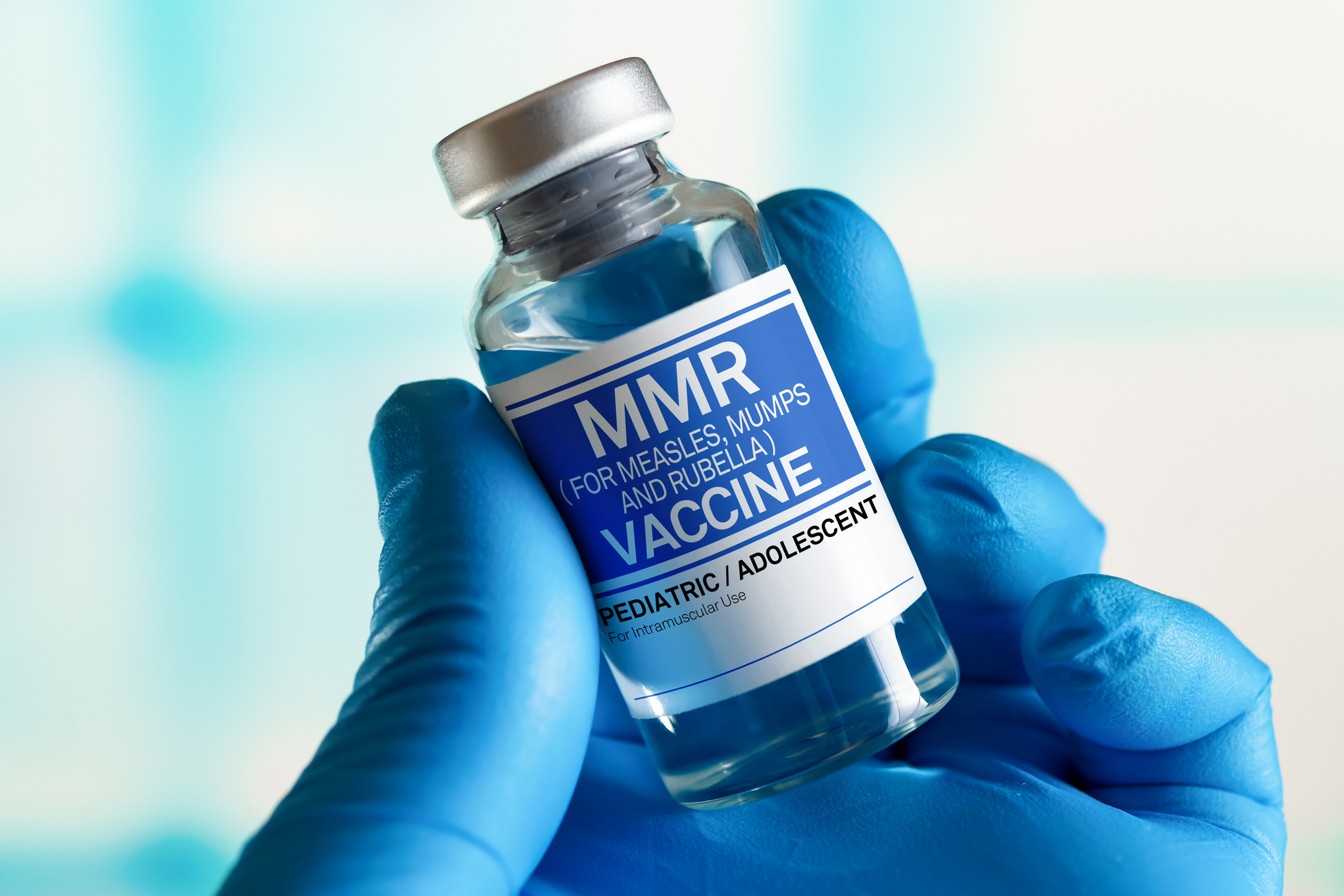
To protect your children, yourself and others in the community, it is important to be vaccinated against measles. Children who are not traveling internationally should receive their first dose of MMR vaccine at age 12 to 15 months and their second dose at 4 to 6 years. All U.S. residents older than age 6 months without evidence of immunity who are planning to travel internationally should receive MMR vaccine prior to departure.
- Infants aged 6 through 11 months should receive one dose of MMR vaccine before departure
- Children aged 12 months or older should receive two doses of MMR vaccine, separated by at least 28 days
- Teenagers and adults without evidence of measles immunity should receive two doses of MMR vaccine separated by at least 28 days
"Measles is on the rise globally and in the U.S.," said State Health Director and NCDHHS Chief Medical Officer Dr. Elizabeth Cuervo-Tilson. "Parents, schools, early childhood education providers and health care providers should work to ensure everyone is up to date with their measles vaccinations."
"Measles infections are preventable. Most Mecklenburg County residents are vaccinated against measles and are not at high risk," said Mecklenburg County Public Health Director Dr. Raynard Washington. "This case further demonstrates the critical need for all families to ensure their kids are up to date with measles and other childhood immunizations."
The increased number of measles cases in the U.S. this year is reflective of a rise in global measles cases and a growing global threat from the disease.
According to CDC’s Kindergarten immunization coverage estimates, 94% of North Carolina Kindergarteners were up to date on the MMR vaccine in the ’22-’23 school year, compared to 93% nationally. While statewide coverage remains high, it is important to note that coverage levels vary locally, with some counties and schools having lower vaccination coverage that leaves them at higher risk for a measles outbreak. You can find information on vaccine rates at state, county and school levels on the Kindergarten Immunization Dashboard.
Children who are uninsured can still be vaccinated at low or no cost through the Vaccines for Children program, which offers free vaccines to children through 19 years of age. [source}
ADDITIONAL READING FROM NCMS
Preparing for possibility of measles
Measles in spotlight as cases raise nationally
CDC Health Advisory on measles

Take Advantage of This Primary Care Team E-Learning Series

If you need assistance from a Practice Support coach, please contact practicesupport@ncahec.net.
Learning Opportunity: Bereavement Care in Oncology

Grief and bereavement are a reality in Oncology care for patients, their families, and for clinicians. Bailey Brislin, MDiv, BCC will review grief and bereavement theory, research, and practice as it relates to caring for Oncology patients and their loved ones.
Learning Objectives
- Describe grief theories and their correlation to providing bereavement support
- Discuss the needs of bereavement care in Oncology in relation to the forms of grief
- Identify tools for providing bereavement and grief support
- List resources for providing bereavement care in Oncology
Learn more here.

NC Medicaid Respiratory Syncytial Virus (RSV) Guidelines for 2024-2025
NC Medicaid is providing guidance on the 2024-2025 Respiratory Syncytial Virus (RSV) season for NC Medicaid Direct and NC Managed Care health plans and is based on products approved by the Food and Drug Administration (FDA) and recommended by the Center for Disease Control (CDC) Advisory Committee on Immunization Practices (ACIP). For details on the 2024-2025 recommendations, please refer to CDC RSV ACIP Vaccine Recommendations.
The North Carolina Division of Public Health has set the RSV season to start on September 15, 2024, for the 2024-2025 RSV season. Please refer to the North Carolina Immunization Branch (NCIP) Memos and Communication webpage and NC Department of Health and Human Services Division of Public Health Provider Memos for Respiratory Illnesses and NC Communicable Diseases Manual for pertinent updates to the RSV season dates from the State of North Carolina.
Summary of NC Medicaid RSV Coverage
- Abrysvo™, Arexvy, and mRESVIATM: ACIP recommends adults 75 years of age and older receive a single dose of RSV vaccine. ACIP recommends adults 60–74 years of age and older who are at increased risk of severe RSV disease receive a single dose of RSV vaccine. It is available to bill as a medical or pharmacy point-of-sale (POS) claim.
- Abrysvo™ for maternal indications: ACIP recommends a maternal RSV vaccine for pregnant people during 32-36 weeks gestation, using seasonal administration, to prevent RSV lower respiratory tract infections in infants. Abrysvo is available to bill as a medical or pharmacy POS claim; pharmacy point-of-sale claims can only be billed for beneficiaries greater than or equal to 19 years of age. Please refer to Clinical Coverage Policy 1E-5 Obstetrical Services for additional coverage information. Abrysvo is available through VFC program to VFC providers for beneficiaries less than 19 years of age. Providers should follow ACIP recommendations to administer Abrysvo.
- Beyfortus™: Nirsevimab-alip is available through the VFC program to VFC providers. ACIP recommends nirsevimab for all infants less than 8 months of age who are born during or entering their first RSV season and for infants and children 8 to 19 months of age who are at increased risk for severe RSV disease and are entering their second RSV season. For additional information about these recommendations see Use of Nirsevimab for the Prevention of Respiratory Syncytial Virus Disease Among Infants and Young Children: Recommendations of the Advisory Committee on Immunization Practices — United States, 2023.
- Synagis®: Coverage starts Sept. 15, 2024, and ends March 31, 2025. Covered at pharmacy POS and prior authorization (PA) is required; Synagis® is not covered through the Physician-Administered Drug Program (PADP).
The clinical criteria used by NC Medicaid for the 2024/2025 RSV season are consistent with guidance published by the American Academy of Pediatrics (AAP): 2024 – 2027 Report of the Committee on Infectious Diseases, 33rd Edition. This guidance for Synagis use among infants and children at increased risk of hospitalization for RSV infection is available online by subscription. Providers are encouraged to review the AAP guidance.
Continue reading the full bulletin released by NC Medicaid here.

Join NCDHHS Tomorrow for Suicide Prevention Week Lunch and Learn Webinar
The North Carolina Department of Health and Human Services is holding a public webinar to mark World Suicide Prevention Day on Tuesday, September 10, 2024. This comes as Governor Roy Cooper proclaims the week of September 8 as Suicide Prevention Week in North Carolina. Suicide is a significant public health issue that affects people across all socioeconomic, racial and ethnic backgrounds.
More than 1,525 North Carolinians ages 10 and older died by suicide last year, making it the ninth leading cause of death in the state and the second leading cause of death for people between the ages of 10 and 40. Additionally, for every suicide, there were two hospitalizations and eight emergency department visits for self-inflicted injuries. In recognition of Suicide Prevention Month this September, NCDHHS is remembering those affected by suicide and reaffirming its commitment to curb this increasing trend by continuing to work to transform the behavioral health system in North Carolina.
"Every person in North Carolina should have access to the care they need, when and where they need it," said NC Health and Human Services Secretary Kody H. Kinsley. "We are investing in crisis care in our state so there is someone to contact, someone to respond and a safe place for help if you are having a behavioral health emergency."
The department continues to support and manage the 988 Suicide and Crisis Lifeline. Since the Lifeline’s transition to a three-digit number in July 2022, 988 crisis counselors have responded to nearly 190,000 calls, texts and chats, providing critical access to mental health and substance use crisis support. 988 is an important component of NCDHHS’ ongoing work to ensure every North Carolinian has someone to contact when experiencing a mental health crisis. Of the $835 million investment in behavioral health in the 2023 state budget, NCDHHS committed more than $130 million to transforming the state’s behavioral health crisis response services, including 988, to shift the system from a state of crisis to a state of care.
"For anyone struggling with their mental well-being or thoughts of suicide, it’s important to know that you are not alone and that it’s OK to ask for help whenever you need it," said Kelly Crosbie, MSW, LCSW, Director of the NCDHHS Division of Mental Health, Developmental Disabilities and Substance Use Services. "By reducing the stigma around mental health, fostering open conversations, and expanding access to care, we are building a system where every person knows how to access the right support when they or someone they love is facing a mental health crisis."
State leaders will soon be looking for public input as it develops its new Suicide Prevention State Action Plan. Achievements from the 2021-2025 Suicide Prevention Action Plan include:
- Created a Comprehensive Suicide Prevention Team to better coordinate suicide prevention efforts with state and federal partners
- Developed a statewide inventory of suicide prevention resources and programs, accessible to everyone online
- Providing youth primary suicide prevention education and training to school personnel, clinical providers and under-resourced school systems
- Supporting access to Applied Suicide Intervention Skills Training (ASIST); an intensive early suicide intervention training for community helpers who interact with at-risk individuals and require training for those times of crisis.
- Providing Mental Health First Aid training to more than 1,200 educators, youth and emergency response personnel
- Provided crisis intervention training for more than 2,040 law enforcement and emergency response personnel
- Providing community helper training as well as Counseling on Access to Lethal Means (CALM) training is to facilitate the conversation between a practitioner and a person in crisis about temporarily creating a safe environment during the time of crisis
- Expanding and enhancing mobile crisis services including Mobile Outreach Response Engagement and Stabilization teams who respond when someone is experiencing a mental health emergency
- Implementing safe storage practices and creating a gun safe storage map with NC SAFE. NC SAFE has distributed more than 75,000 gun locks through state partnerships
- Created a landing page that gathers all suicide prevention activities across NCDHHS into one clearinghouse: ncdhhs.gov/stopncsuicide
Additionally, NCDHHS partnered with UNC-Chapel Hill's Carolina Across 100 program. creating 15 teams, representing 24 counties, focused on suicide prevention. In May 2024, the program culminated in a successful Suicide Prevention Summit with more than 400 participants. NCDHHS also showcased its Faith Leaders for Life program, which has trained more than 100 faith leaders in 51 counties, reaching more than 50,000 congregants, particularly in rural and Black, Indigenous and People of Color communities.
Please join the NCDHHS Division of Mental Health, Developmental Disabilities and Substance Use Services, Division of Public Health and the NC Suicide Prevention Coordinator to discuss efforts to increase suicide prevention and awareness, identify resources and find ways to participate in spreading the word that help is available.
What: Suicide Prevention Week Lunch and Learn Webinar
Who: Hannah Harms, State Suicide Prevention Coordinator
Anne Geissinger, NC Comprehensive Suicide Prevention Program Coordinator, Injury and Violence Prevention, Division of Public Health, NCDHHS
Lisa DeCiantis, Crisis Services Team Lead, Division of Mental Health, Developmental Disabilities, and Substance Use Services, NCDHHS
Jane Ann Miller, NC Comprehensive Suicide Prevention Program Manager, Injury and Violence Prevention, Division of Public Health, NCDHHS
Brittany Jones, 988 Grant Lead, Division of Mental Health, Developmental Disabilities and Substance Use Services, NCDHHS
When: World Suicide Prevention Day
Tuesday, Sept. 10
12:30-1:30 p.m.
Where: Please register for the Webinar at https://www.zoomgov.com/meeting/register/vJItf-2urDgvGqGRI7E-k04DVUOXqA1C-MU.

Members Making Moves: Dr. Syed Hussaini Joins UNC Orthopedics at Goldsboro
UNC Orthopedics at Goldsboro is expanding its services with the addition of Dr. Syed Hanif Hussaini, an Orthopedic Foot and Ankle Surgeon. Dr. Hussaini joins us with an impressive background in orthopedic surgery and a passion for delivering high-quality patient care.
Dr. Syed Hussaini (image credit: UNC)
Dr. Hussaini received his Doctor of Medicine degree from Saint Louis University School of Medicine and holds a Bachelor of Science in Mathematics from Duke University. He completed his Orthopedic Foot and Ankle Fellowship at The Orthopedic Foot & Ankle Center in Falls Church, VA, and most recently practiced at Wake Orthopedics in Cary, NC. Throughout his career, Dr. Hussaini has been recognized for his outstanding work, including receiving the North Carolina Orthopedic Association Meeting Opioid Session Award and the SLU M.D. with Distinction in Research Award.
His contributions to the field of orthopedic surgery are extensive, particularly in foot and ankle surgery and opioid prescription practices. Dr. Hussaini’s research and publications have advanced the understanding and treatment of foot and ankle conditions, solidifying his reputation as a leader in the field.
In addition to his clinical and research achievements, Dr. Hussaini is an active member of several professional organizations, including the American Academy of Orthopedic Surgeons and the American Orthopedic Foot & Ankle Society. [source]
Duke Health: Study Solves Testosterone’s Paradoxical Effects in Prostate Cancer
A treatment paradox has recently come to light in prostate cancer: Blocking testosterone production halts tumor growth in early disease, while elevating the hormone can delay disease progression in patients whose disease has advanced.
The inability to understand how different levels of the same hormone can drive different effects in prostate tumors has been an impediment to the development of new therapeutics that exploit this biology.
Now, a Duke Cancer Institute-led study, performed in the laboratory of Donald McDonnell, Ph.D. and appearing this week in Nature Communications, provides the needed answers to this puzzle.
The researchers found that prostate cancer cells are hardwired with a system that allows them to proliferate when the levels of testosterone are very low. But when hormone levels are elevated to resemble those present in the normal prostate, the cancer cells differentiate.
“For decades, the goal of endocrine therapy in prostate cancer has been to achieve absolute inhibition of androgen receptor function, the protein that senses testosterone levels,” said lead investigator Rachid Safi, Ph.D., research assistant professor in the Department of Pharmacology and Cancer Biology, at Duke University School of Medicine.
“It’s been a highly effective strategy, leading to substantial improvements in overall survival,” he said. “Unfortunately, most patients with advanced, metastatic disease who are treated with drugs to inhibit androgen signaling will progress to an aggressive form of the disease for which there are limited therapeutic options.”
Using a combination of genetic, biochemical, and chemical approaches, the research team defined the mechanisms that enable prostate cancer cells to recognize and respond differently to varying levels of testosterone, the most common androgenic hormone.
It turned out to be rather simple. When androgen levels are low, the androgen receptor is encouraged to “go solo” in the cell. In doing so, it activates the pathways that cause cancer cells to grow and spread. However, as androgens rise, the androgen receptors are forced to “hang out as a couple,” creating a form of the receptor that halts tumor growth.
“Nature has designed a system where low doses of hormones stimulate cancer cell proliferation and high doses cause differentiation and suppress growth, enabling the same hormone to perform diverse functions,” McDonnell said.
In recent years, clinicians have begun treating patients with late-stage, therapy resistant prostate cancers using a monthly, high-dose injection of testosterone in a technique called bi-polar androgen therapy, or BAT. The inability to understand how this intervention works has hindered its widespread adoption as a mainstream therapeutic approach for prostate cancer patients.
“Our study describes how BAT and like approaches work and could help physicians select patients who are most likely to respond to this intervention,” McDonnell said. “We have already developed new drugs that exploit this new mechanism and are bringing these to the clinic for evaluation as prostate cancer therapeutics.”
In addition to McDonnell and Safi, study authors include Suzanne E. Wardell, Paige Watkinson, Xiaodi Qin, Marissa Lee, Sunghee Park, Taylor Krebs, Emma L. Dolan, Adam Blattler, Toshiya Tsuji, Surendra Nayak, Marwa Khater, Celia Fontanillo, Madeline A. Newlin, Megan L. Kirkland, Yingtian Xie, Henry Long, Emma Fink, Sean W. Fanning, Scott Runyon, Myles Brown, Shuichan Xu, Kouros Owzar, and John D. Norris.
The study received funding support from the National Cancer Institute (R01-CA271168, P30CA014236) and the North Carolina Biotechnology Center. [source]
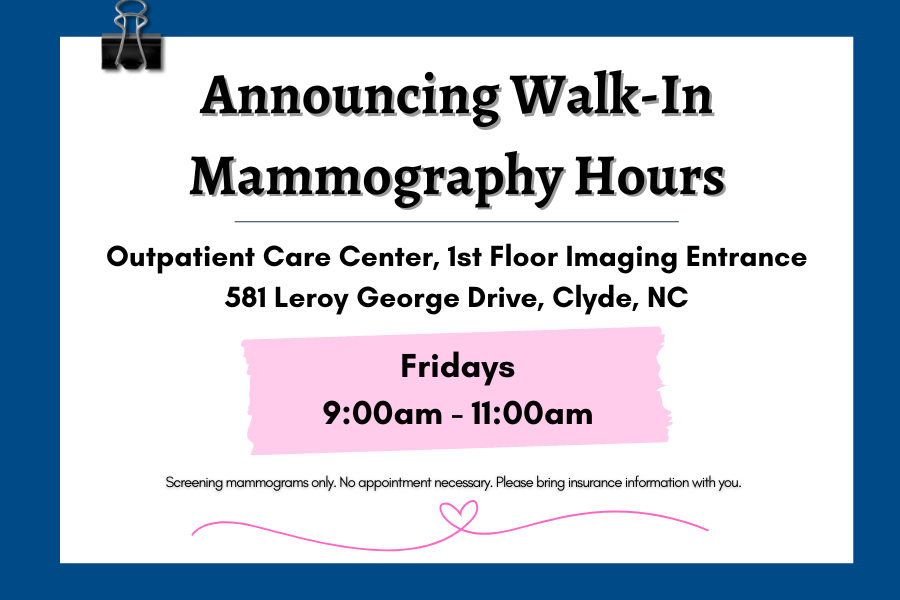
Haywood Regional Medical Center Launches Walk-in Mammography Clinic
Haywood Regional Medical Center is pleased to announce the launch of a convenient walk-in mammography clinic at the HRMC Breast Center, located on the second floor of the Outpatient Care Center at 581 Leroy George Drive in Clyde.
This new service is available to women who have not had a mammography exam in the past year and is for screening mammograms only. Women with a new lump, discharge, or other breast issues are advised to schedule an appointment with their healthcare provider and inquire about a referral for a diagnostic mammogram.
The walk-in mammography clinic takes place every Friday from 9:00AM – 11:00AM. No appointment is necessary.
To be seen at the walk-in clinic, patients with insurance should bring their current insurance information for billing purposes. For those without insurance, resources and information will be provided during walk-in hours.
Haywood Regional Medical Center is committed to delivering quality breast care with a focus on early detection and treatment. The HRMC Breast Center is equipped with advanced services such as contrast-enhanced mammography, nurse navigation, collaborative local cancer care, and surgical breast services. These offerings ensure that local women can access a complete range of breast health services in their home community.
For more information about breast services, visit MyHaywoodRegional.com or call 828.452.8963. [source]
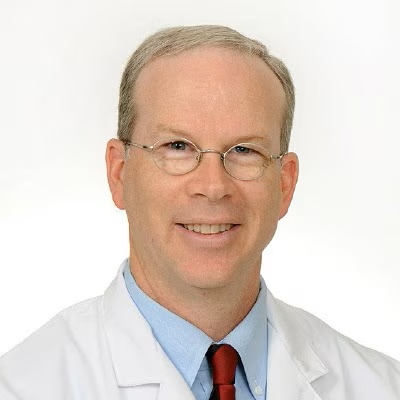
NCMS Member Delivers Relief to Patients with Chronic Low Back Pain
FirstHealth Interventional Pain Medicine is the first in the Sandhills region to offer an innovative approach to provide relief for patients suffering from a distinct type of chronic low back pain (CLBP) called vertebrogenic pain.
The treatment is the Intracept® Procedure, a minimally invasive, outpatient procedure that targets a nerve located in the vertebrae called the basivertebral nerve (BVN).
During the procedure, James Winkley, M.D., board certified anesthesiologist and pain medicine physician with FirstHealth Interventional Pain Medicine, advances a specialized probe into the vertebrae and uses radiofrequency energy to heat the BVN, rendering it unable to transmit pain signals to the brain.
The Intracept Procedure generally takes an hour to perform and is implant-free, preserving the overall structure of the spine.
“With the Intracept Procedure, we are entering a new and promising era in the treatment and diagnosis of vertebrogenic pain,” said Dr. Winkley. “Not only is the procedure proven to be safe and durable but it also provides patients with the opportunity to get back to living without the burden of chronic low back pain.”
Of the 30 million people in the U.S. with chronic low back pain, 1 in 6 are likely to have vertebrogenic pain, a distinct type of CLBP caused by damage to vertebral endplates, the interface between the disc and the vertebral body. Disc degeneration, and the wear and tear that occurs with everyday living, produces stresses on the endplates that damage them, leading to inflammation and vertebrogenic pain.
In order to qualify for the Intracept Procedure, patients must have chronic low back pain of at least six months duration, have not responded to at least six months of conservative care, and present with degenerative vertebral endplate changes consistent with Type 1 or Type 2 Modic changes at L3 through S1 on an MRI.
To learn more about the Intracept Procedure, call FirstHealth Interventional Pain Medicine at (910) 715-1794 or complete our interest form below to request an appointment.
FirstHealth Interventional Pain Medicine works with chronic pain sufferers to manage and treat conditions with a wide range of pain relief options, including the newest and most advanced treatments. Our goal is to help patients return to their everyday activities and hobbies with minimal to no pain. Established in 1995, we are the longest-standing practice of pain management specialists in the Sandhills. Our team includes seven anesthesiologists and four advanced practice providers with more than 40 years combined experience. Office locations include Pinehurst, Raeford, Sanford, Troy, Rockingham and Fayetteville. [source]

Diabetes Performance Improvement in Primary Care Live Webinar
Diabetes Performance Improvement in Primary Care
Wednesday, October 23, 2024
12 pm – 1pm
Live Webinar
Program Overview
This educational activity aims to inform the learner about the status of diabetes and chronic kidney disease in primary care. This activity will explore barriers and facilitators to promote patient engagement in treatment. This activity will focus on performance improvement methods and activities which promote health among patients with diabetes.
Who Should Participate
Physicians, Physician Assistants, Nurse Practitioners, Nurses, and Primary Care Office Staff
As part of our commitment to diversity and inclusion, the Northwest AHEC provides compassionate education and respectful care for all, regardless of socioeconomic status, race, ethnicity, language, nationality, sex, gender identity, sexual orientation, religion, geography, disability and age.
Objectives
Upon completion of this activity, participants should be better able to:
- Describe barriers and strategies for clinical care teams in the screening, diagnosis, and treatment of patients with diabetes and chronic kidney disease (CKD).
- Utilize new methods to identify how diabetes and CKD disproportionately affect racial and ethnic minorities in clinical workflows.
- Explain processes for screening, diagnosis, and raising awareness about diabetes and its connection to chronic kidney disease (CKD)
Download the event brochure here.

Overwork, Stress, Depression: Where Do the Healers Go for Help?
Mark your calendar for an important program on mental health and support resources for healthcare providers.
Overwork, Stress, Depression: Where Do the Healers Go for Help?
Thursday, October 10 at 6:15pm
RSVP by October 1 to admin@ncmsalliance.org or 919-810-4081

Capitol Chronicle: Join NCMS for the 2025 National Advocacy Conference in Washington

Capitol Chronicle: Join NCMS for 2025 National Advocacy Conference in Washington
The AMA’s National Advocacy Conference is scheduled for February 10-12, 2025. This yearly event offers an opportunity for personal involvement in the health policy debate on Capitol Hill. We need increased NCMS member engagement with our members of Congress, so mark your calendar and stay tuned for forthcoming details.
2025 National Advocacy Conference
Save the date and join us for our return to Capitol Hill.
February 10-12, 2025 / Washington, DC
Plan now to join your colleagues as we advocate for patients and the medical profession on . . .
Prior Authorization Relief
Medicare Payment Reform
Workforce Shortage Solutions
Physician Wellness
Mark your calendar! Registration details and additional information coming soon.
Your engagement matters!
Do you know your state and federal legislators? More importantly, do your legislators know you?
The NCMS can help you connect with policy makers as a constituent and advocate!
Register Now! Sustainability of the HIV/AIDS Response – Getting to 2030 & Beyond
The state of the HIV/AIDs endemic is reaching a critical point requiring evaluation of the current state of the global response, progress made thus far, and planning for post-2030 goals. The National Academy of Medicine is hosting a timely international meeting to facilitate discussion on these issues.
This one-day workshop is being held on September 18, 2024, from 9:00 AM – 5:00 PM US Eastern. Ambassador John N. Nkengasong, the Senior Bureau Official for Global Health Security and Diplomacy at the U.S. State Department, will deliver the opening remarks. His address will set the stage for discussions across three subsequent panels.
Broadly, the goals of this workshop are to:
- Explore how we can re-energize the global HIV response to reach the 2030 goals but also to look beyond.
- Craft strategies to increase and sustain political commitment.
- Highlight global accountability and domestic-donor financing.

Grant Opportunity: Telehealth Infrastructure Grant Program
In Session Law 2023-134, the North Carolina General Assembly (NCGA) appropriated $5,000,000 in SFY 2024 and $15,000,000 in SFY 2025 in receipts (State funds) from the ARPA Temporary Savings Fund to the Office of Rural Health (ORH) in the Department of Health and Human Services to provide competitive grants to rural healthcare providers for Telehealth related items including:
- equipment
- high-speed internet access
- telehealth-related training to staff and patients
- technology equipment to patients
- internet service support for patients to help facilitate telehealth access*
- other infrastructure needed to establish telehealth services
*Eligible rural healthcare patients can benefit from internet service and associated equipment rentals, including modems, routers, and hotspot devices through the Telehealth Infrastructure grant. To receive this support, patients must meet at least one of the eligibility criteria defined below:
- Total household income that is at or below 200% of the federal poverty guidelines or,
- Participation in any ONE of these government benefit programs:
- Lifeline
- Supplemental Nutrition Assistance Program (SNAP)
- Medicaid
- Federal Public Housing Assistance (FPHA) (including Housing Choice Voucher (HCV) Program (Section 8 Vouchers), Project-Based Rental Assistance (PBRA)/202/811, Public Housing, and Affordable Housing Programs for American Indians)
- Veterans Pension and Survivors Benefit
- Supplemental Security Income (SSI)
- Free and Reduced-Price School Lunch or Breakfast Program including through the USDA Community Eligibility Provision
- Federal Pell Grant (current award year)
- Special Supplement Nutrition Program for Women, Infants, and Children (WIC)
Priority will be given to independent primary care practices and independent obstetrics and gynecology (OB-GYN) practices.
For more information, eligibility, and other requirements, click here.

Listen Now! NCMS Member Dr. Shannon Dowler Talks STI's and more.
Season 4 of the Addiction Medicine Podcast kicks off with a 2-part episode on Sexually Transmitted Infections (STI). In Part 1 dives into how the term ‘infection’ can reduce stigma, encourage testing, and emphasize the importance of regular screenings. We also discuss current trends, cultural trends, health inequities, and the role of healthcare providers in STI care.
Joining this important conversation are Dr. Shannon Dowler, a board-certified family physician with a national reputation in health policy, public health, and sexual health, and Dr. Amy Marietta, board-certified in family medicine and addiction medicine.
Dr. Dowler is currently Deputy Director in the Mecklenburg County STI Clinic while Dr. Marietta serves as the Medical Director of MAHEC’s Project CARA, a comprehensive perinatal substance use treatment program in Asheville, North Carolina.
Submit Your Application Today! Addiction Medicine Scholarship Opportunity.
The Governor’s Institute offers a limited number of scholarships to attend the Addiction Medicine Conference (Spring) or Addiction Medicine Essentials (Fall).
By attending these events, physician, nurse practitioner, or physician assistant students or residents, who are training in North Carolina with an interest in Addiction Medicine will have the opportunity to receive up-to-date substance use related education, applicable across general medical as well as addiction specialty practices and learn from the experts during didactic lectures on a wide range of addiction medicine related topics.
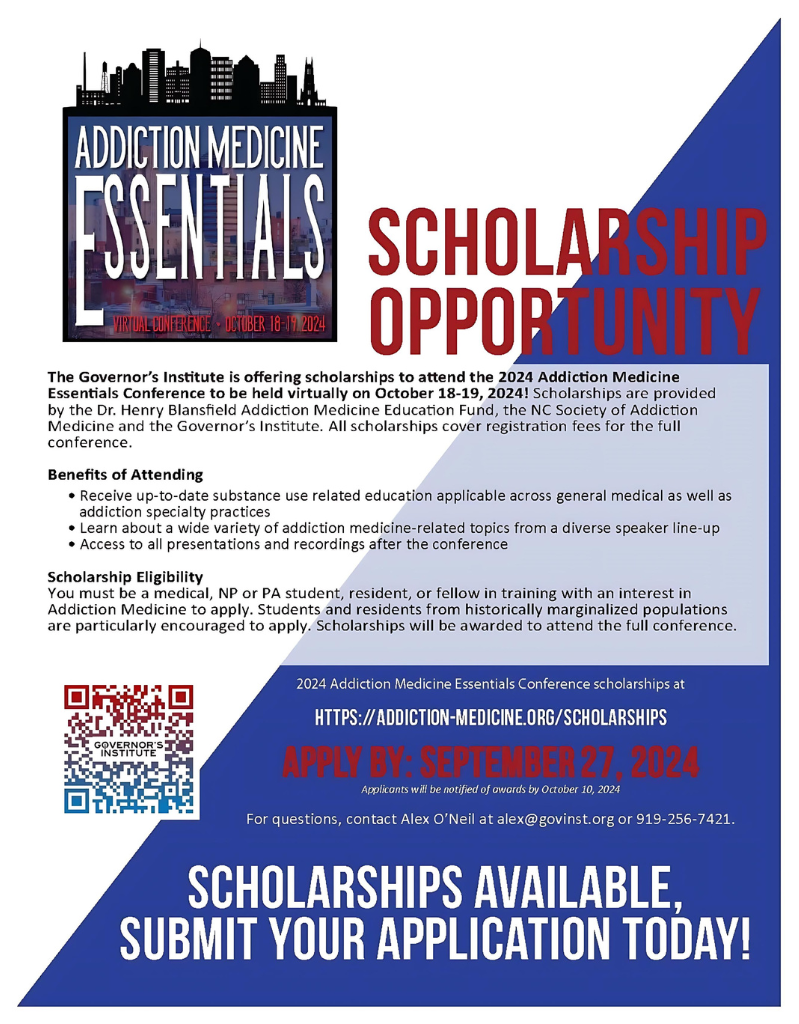


Help Address Rural Health Challenges! Participate in the 2024 Rural Health Hackathon.
The Centers for Medicare & Medicaid Services (CMS) Center for Medicare and Medication Innovation (“Innovation Center”) announced the 2024 Rural Health Hackathon – a series of in-person, collaborative sessions designed to generate and construct creative and actionable ideas to address rural health challenges.
The 2024 Hackathon builds on CMS’ extensive outreach to rural communities through site visits and listening sessions to better understand rural health care issues. Through these solution-oriented events, the CMS Innovation Center will bring together rural health community care providers, community organizations, industry and tech entrepreneurs, funders, policy experts, and beneficiaries to leverage the wisdom and experience of the crowd.
Hackathon attendees will generate new ideas to address some of the top challenges impacting health care in rural health settings and drive action to improve clinical outcomes, increase access, and better care experience for both patients and providers in rural communities.
Interested parties have two ways to participate:
- In-Person Hackathon: Engage with other dedicated experts to solve some of the toughest challenges facing rural communities through one of the in-person convenings hosted in three cities this summer:
- Wilson, North Carolina: August 29, 2024Please note that there is no virtual option for these events due to their collaborative, hands-on structure.
- Virtual Idea Submission: Submit your written concepts to address top rural health challenges using this form. All concepts must be submitted no later than September 9, 2024, at 11:59PM EST. Please note that late submissions will not be considered.
Top ideas with greatest opportunity for action will be highlighted in a public CMS Innovation Center report and connected with leading health policymakers and potential private or non-profit partners in the field. See below for details on how to participate.
Learn more about this opportunity here.
Register Now! NCTracks September 2024 Provider Training Schedule
Registration is now open for the NCTracks September 2024 training courses.
The courses are virtual, via Zoom, and can be attended remotely from any location.
Courses offered this month include:
- Submitting a Professional Claim
- Submitting a Prior Approval Institutional
- Submitting a Prior Approval Dental
- Provider Reverification
- New Office Administrator
- Ordering, Prescribing, and Referring (OPR) Provider Enrollment
See the document linked below for more information on course schedule and access to zoom links:
Sept. 2024 Provider Training Schedule

NCMS CEO Chip Baggett Asks NCGA Leadership to Support Increase in Medicaid Reimbursement

NCMS Continues it's efforts to increase Medicaid rebase
(RALEIGH) -- North Carolina Medical Society CEO Chip Baggett has issued a letter to the Leadership of the North Carolina General Assembly to support legislation to increase the Medicaid rebase in the state. In the letter, Baggett asks for an increase of roughly $458 million.
North Carolina Medicaid could face an 8 percent fiscal cut in the biennium, and if funding is delayed beyond November, the reduction could be as much as 16 percent. Baggett says "this lack of funding would be devastating for North Carolina patients who rely on Medicaid and cannot afford to pay for care out-of-pocket." He adds that it would also "exacerbate the lack of providers and further decrease access to imperative healthcare."
Physicians in North Carolina have not received an increase in the rate of reimbursement for Medicaid in over 10 years. In his letter, Baggett points out how crucial adequate reimbursement is to expanding services to underserved populations. He also explains how a lack of an increase is adding to physician burnout. "An increased Medicaid rate would help alleviate some of these pressures (for providers), allowing physicians to focus more on patient care," Baggett says.
The letter was sent to NC House Speaker Tim Moore and NC Senate Pro Tempore Phil Berger on August 29. To read the letter click here.
Additional reading:
NCMS Supports Inflationary Adjustment for Medicare Reimbursement

Share Your Story- Corporate Practice of Medicine
Please share your stories here on how corporate interventions in medicine have impacted you and your practice. This includes private equity acquisitions, noncompete agreements, management service organizations, and any business intervention that has impacted your ability to practice medicine.
