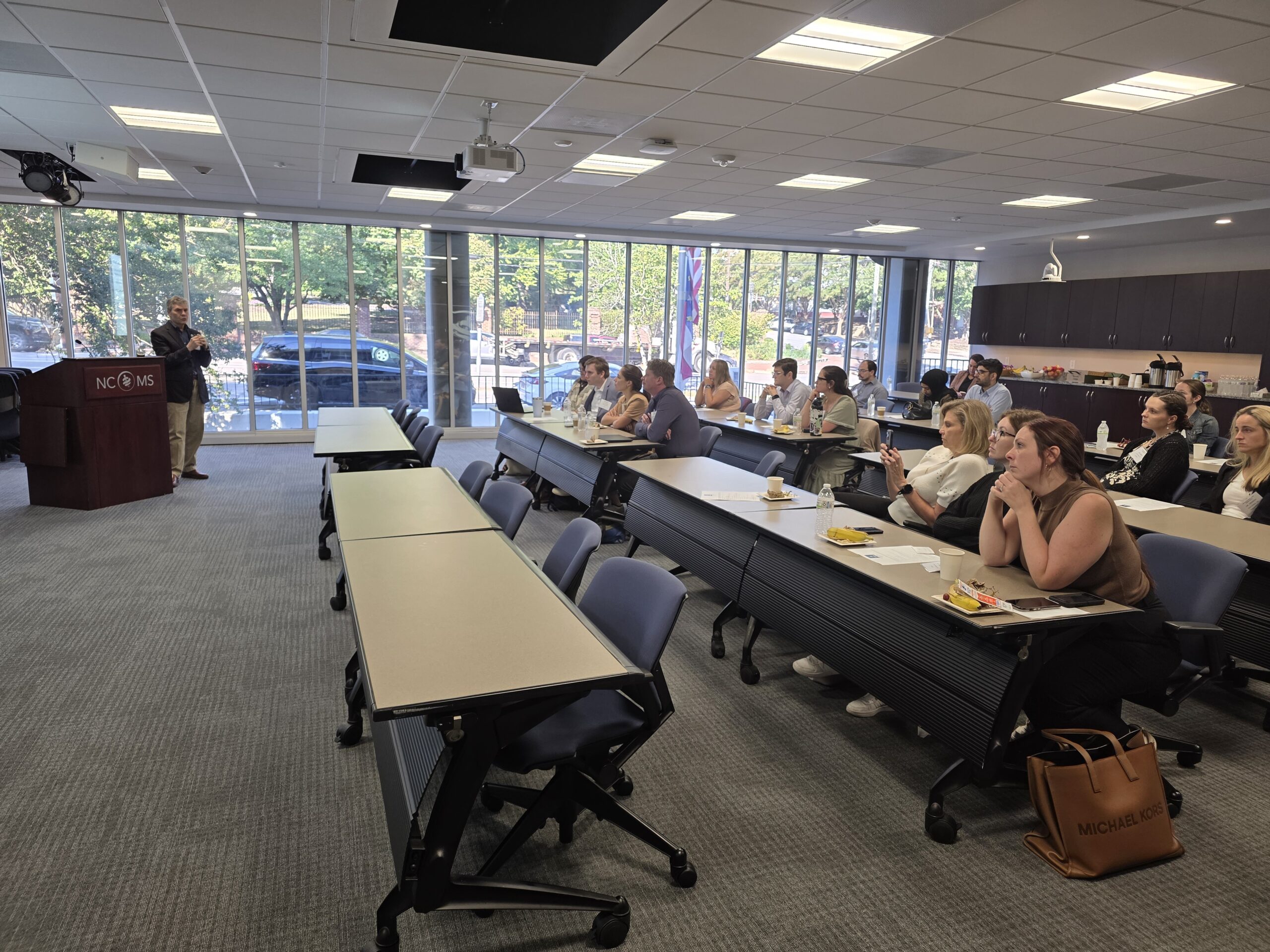
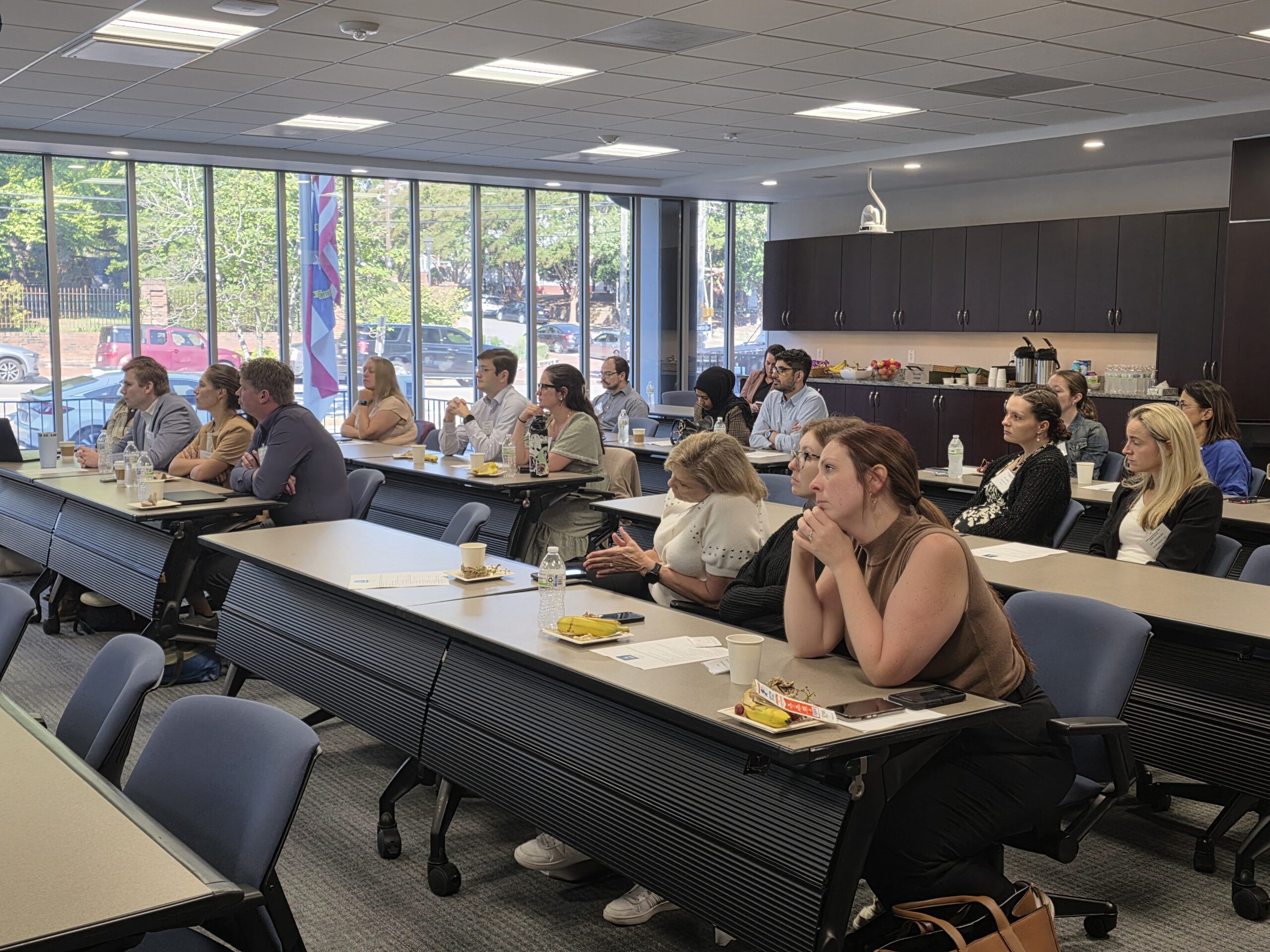
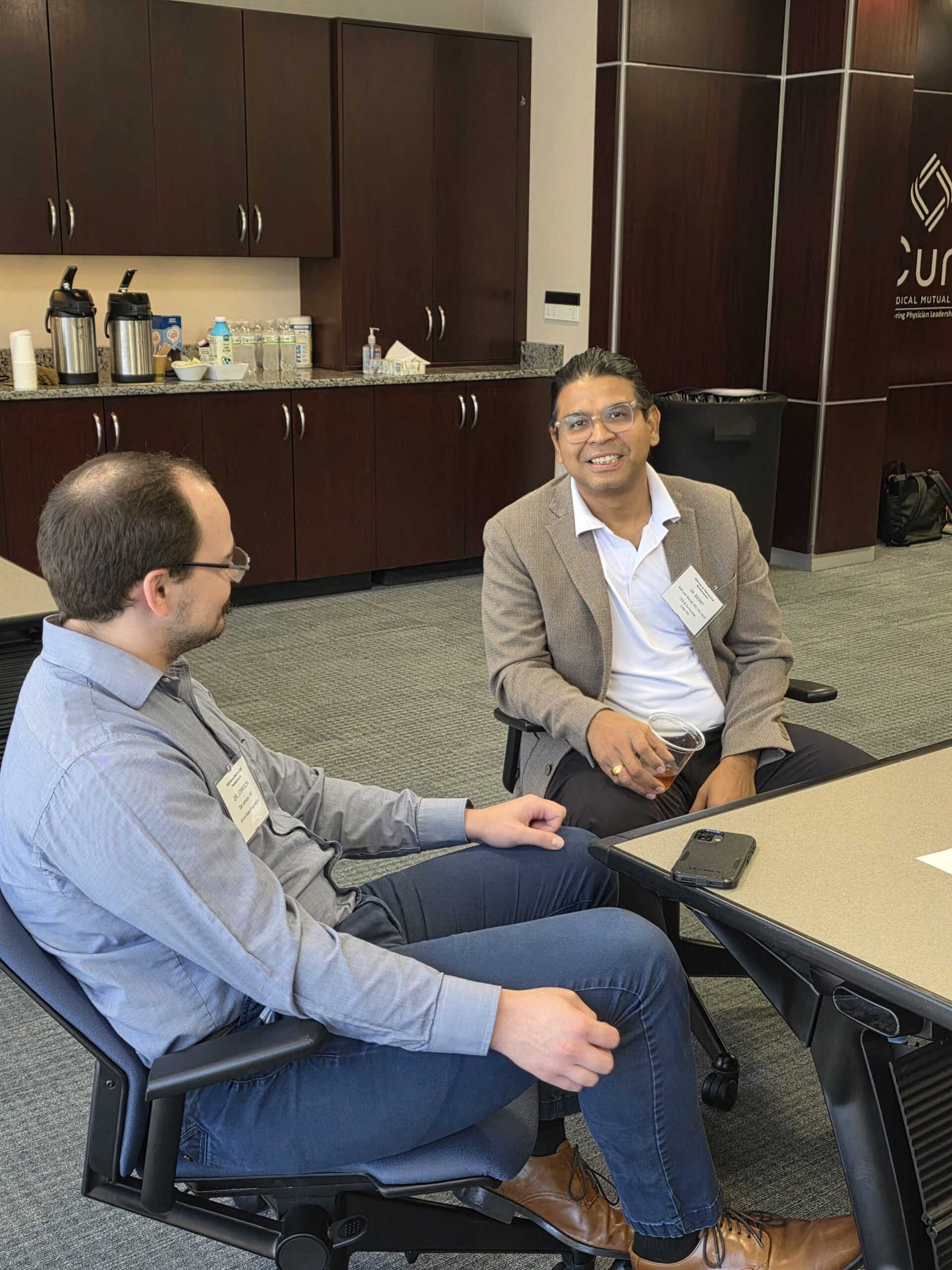
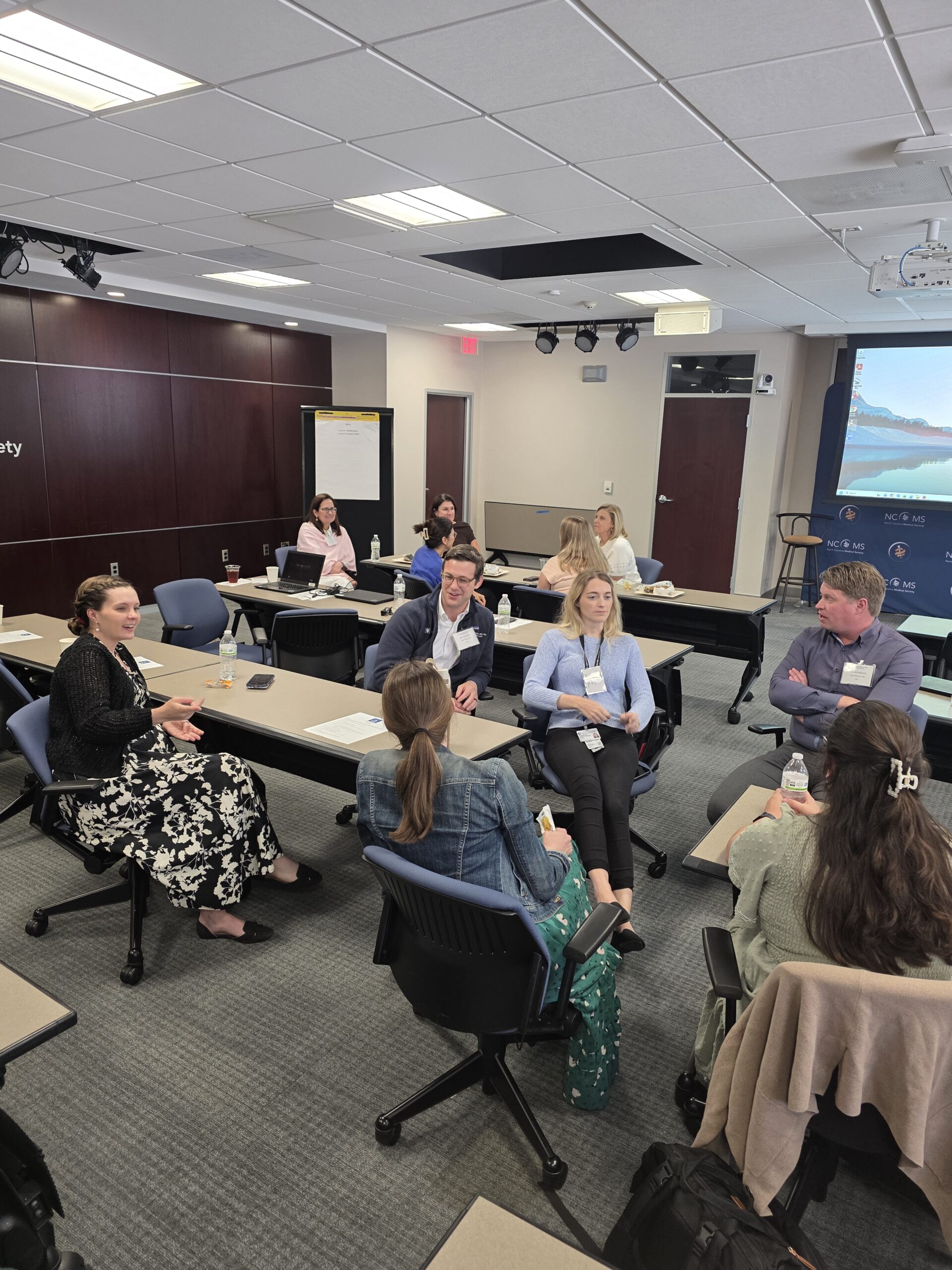
The ACP Chief Resident Summit brought together more than 20 Internal Medicine Chief Residents from across North Carolina for a full day focused on developing the skills needed to serve as effective educators, advocates, communicators, and clinical leaders.
The Summit centered on three themes: Leadership, Communication, and Advocacy, combining presentations from healthcare leaders with opportunities for peer connection, collaboration, and shared learning.
Key Highlights
-
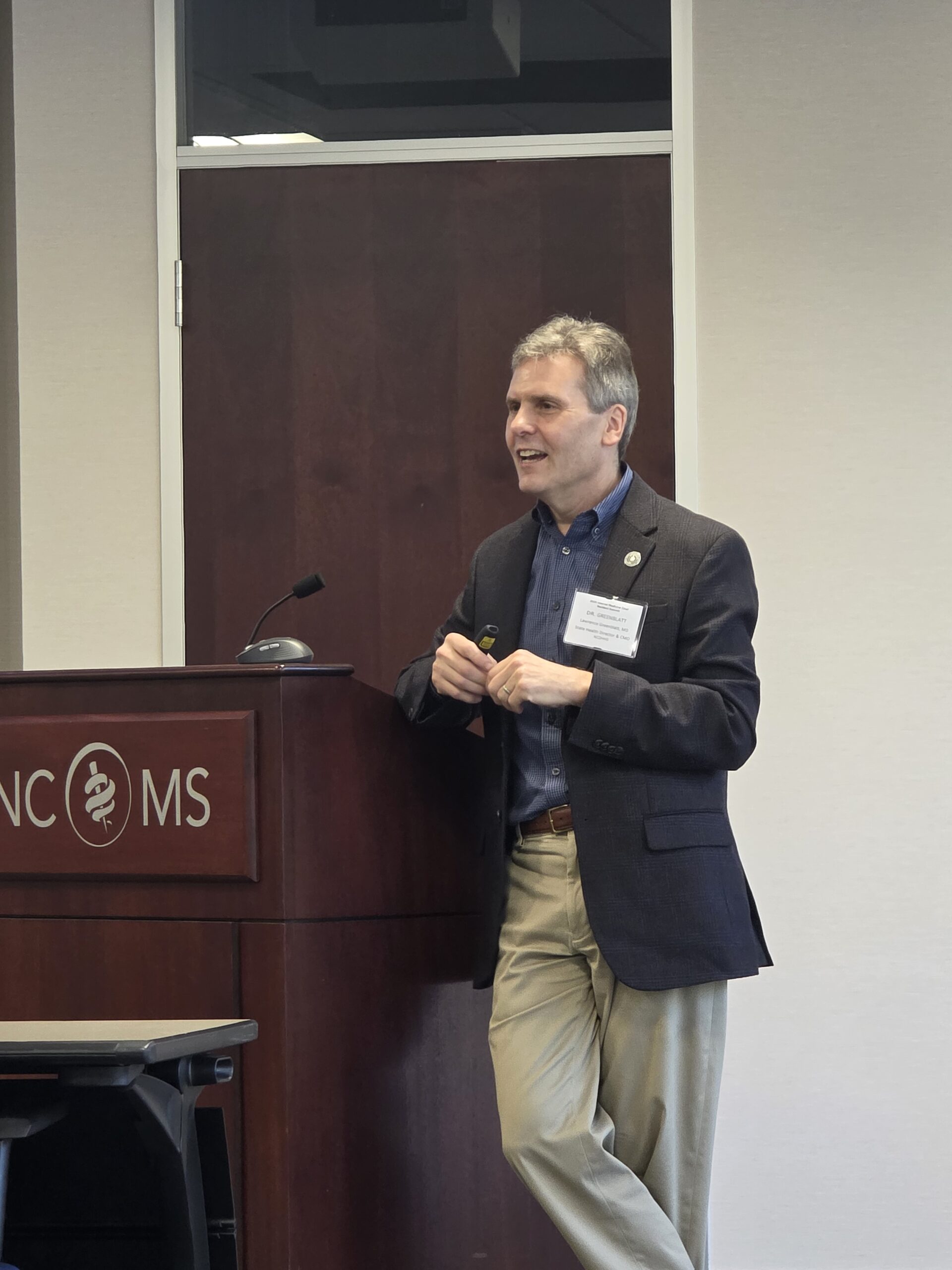
Healthcare leadership and career pathways: Lawrence Greenblatt, MD, State Health Director and Chief Medical Officer at NCDHHS, shared his professional journey and provided an overview of the department’s priorities, programs, and divisions.
-
Chief resident leadership: Marion McCrary, MD, FACP, FAMWA, discussed the “Five Hats of Effective Chief Resident Leaders” and strategies for balancing the many roles Chief Residents take on.
-
Clinical leadership and role modeling: Deb Bynum, MD, MEL, FACP, emphasized that the Chief Resident role extends beyond scheduling and administration to include serving as a clinical role model, educator, and leader.
-
Physician advocacy: Sessions led by Dr. McCrary and Hannah Rice of the NC Medical Society introduced practical approaches to advocacy and demonstrated how physicians can engage in advocacy despite demanding clinical responsibilities.
-
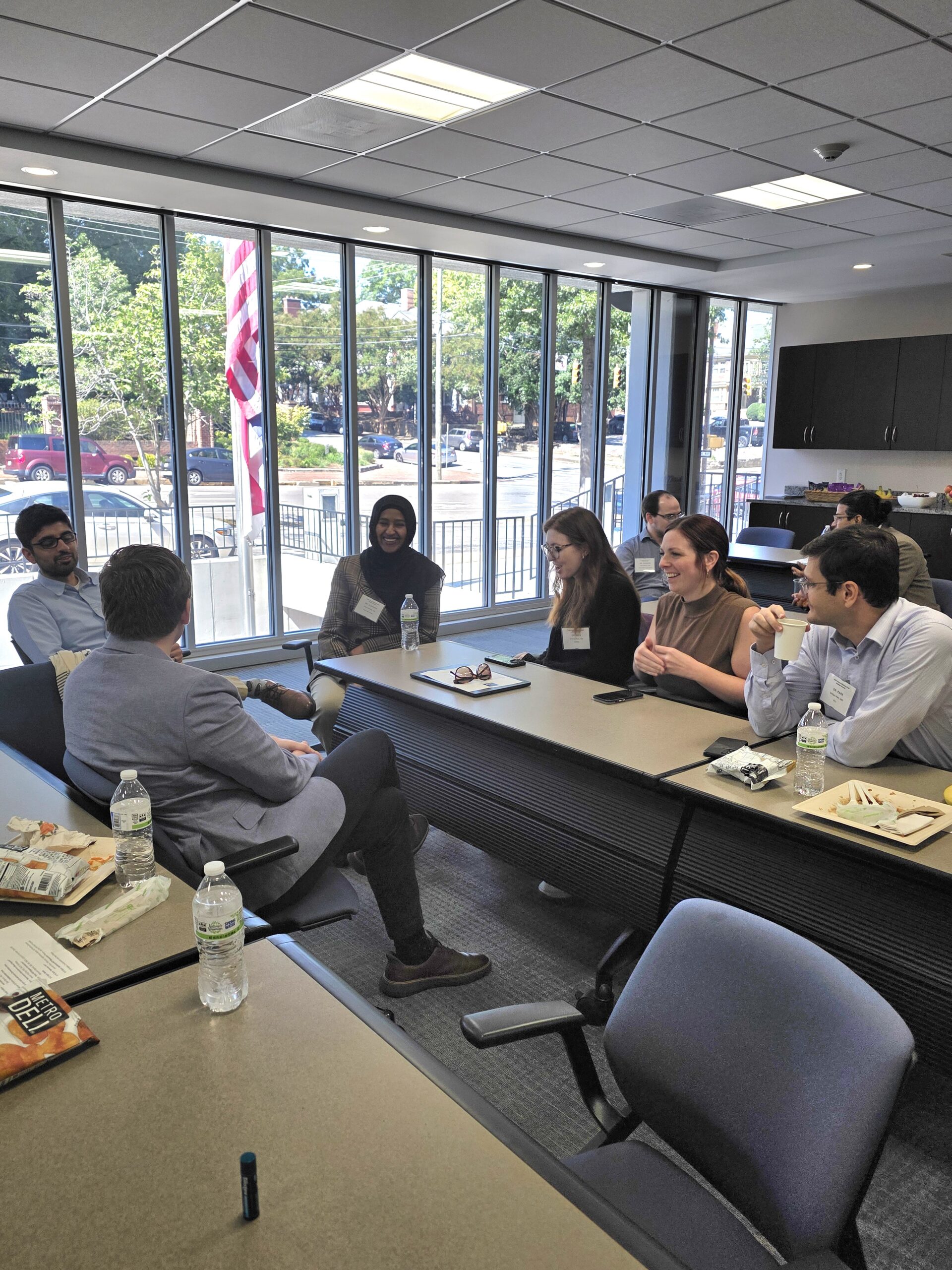
Professional collaboration: Dedicated collaboration and connection periods allowed Chief Residents to exchange experiences, discuss common challenges, and build relationships with peers across North Carolina.
-
Professional resources and innovation: Bibhusan Basnet, MD, MS, FACP, introduced Clear MD, while Dr. McCrary highlighted additional ACP resources available to Chief Residents.
Overall Purpose and Impact
The Summit was designed to move Chief Residents beyond the traditional administrative aspects of their role and help them develop as well-rounded physician leaders. Through expert presentations, peer-to-peer collaboration, and practical discussions, attendees gained perspectives and resources to help them lead their residency programs, support fellow residents, advocate for patients and physicians, and contribute more effectively to their institutions and communities.
The day concluded with collaboration, identification of next steps, and continued connection among Chief Residents, reinforcing the goal of building a stronger network of Internal Medicine leaders across North Carolina.