From Access and Affordability to Workforce and AI
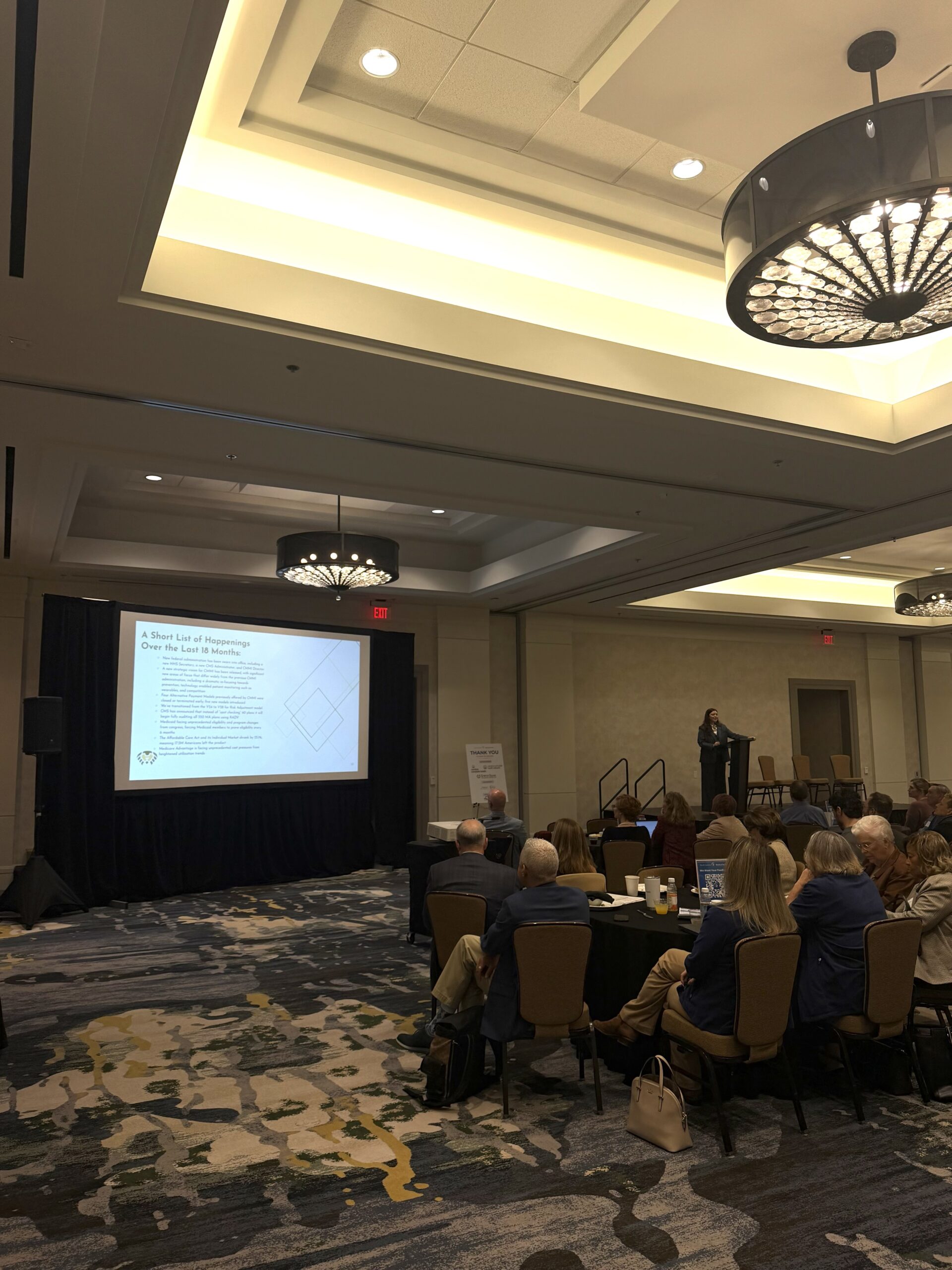
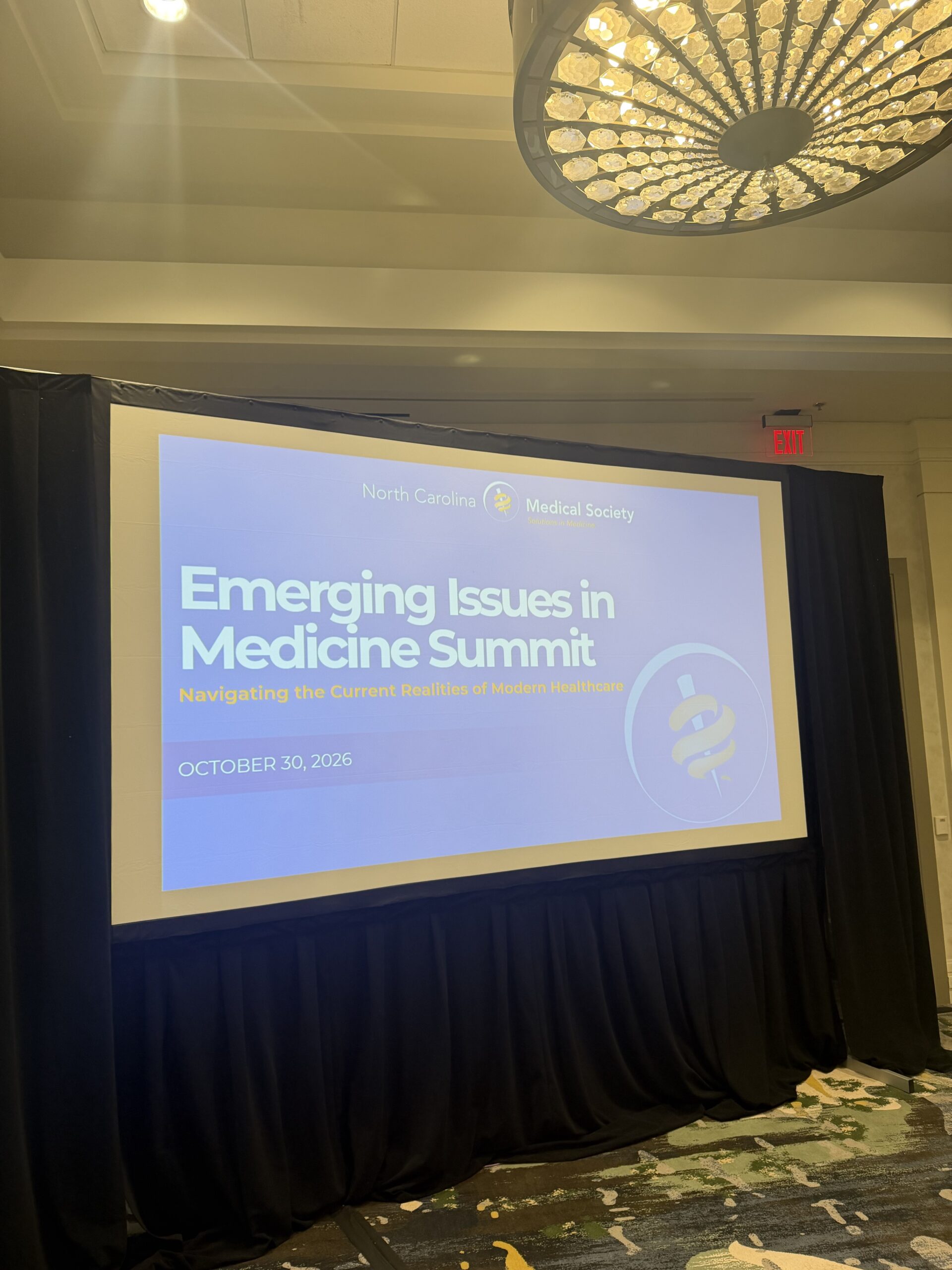
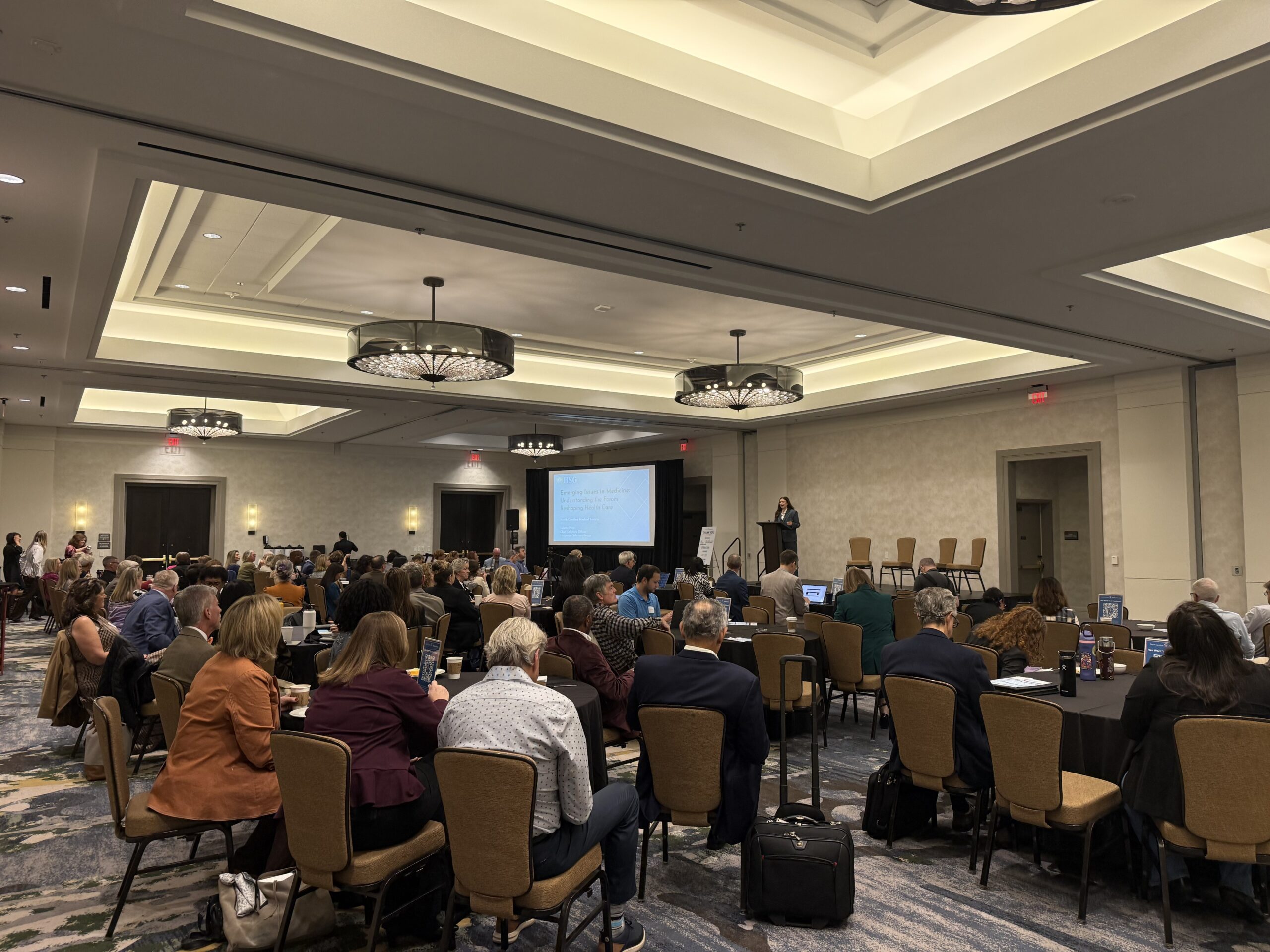
On October 30, physicians, PAs, health care leaders, policymakers and innovators gathered for a packed NCMS Emerging Issues in Medicine Summit in Raleigh. Through expert discussions and real-world examples, attendees explored some of the most pressing challenges facing health care today—and opportunities to move toward meaningful solutions.
Here are six key takeaways from the day:
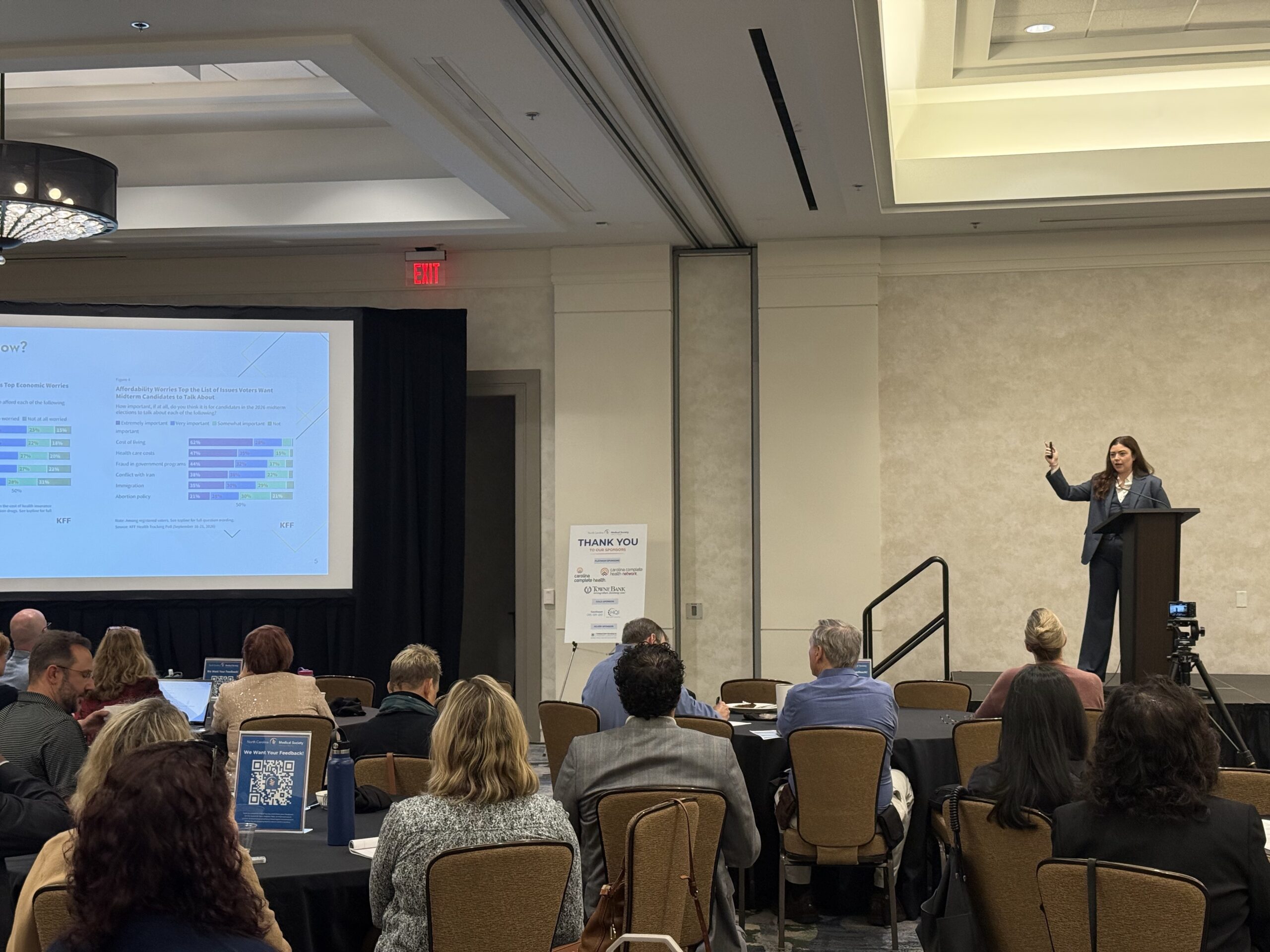
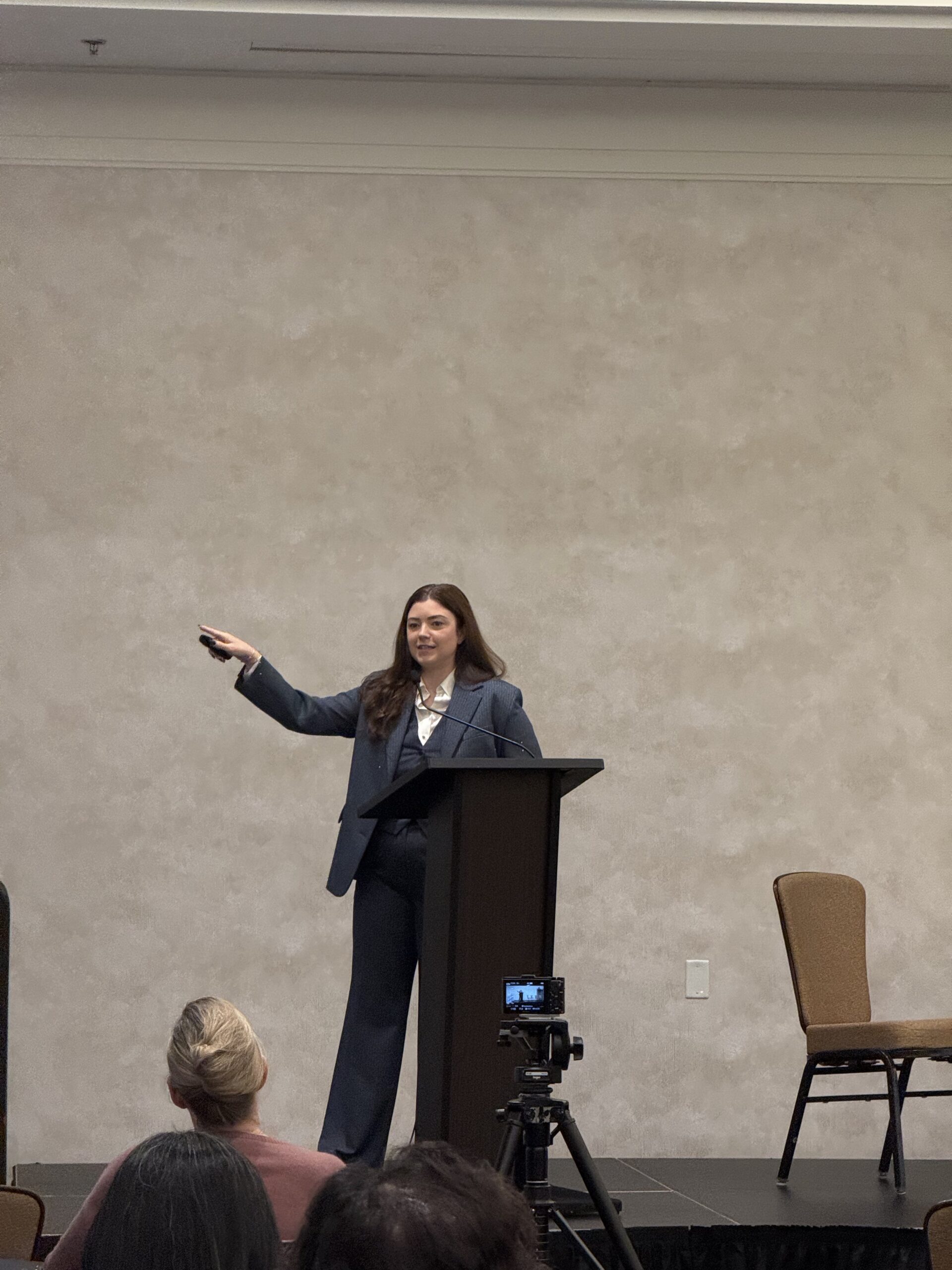
- The shift toward value-based care is accelerating. Keynote speaker Juliette Price of HSG Global examined rising costs, changing federal policies and the push toward care models that prioritize quality and outcomes over volume. Her message emphasized that meaningful reform must improve patient outcomes while supporting the clinicians delivering care.
- Workforce shortages remain a critical challenge. Discussions underscored the need to strengthen recruitment, retention and support for health care professionals, particularly in rural and underserved communities where access is already limited.
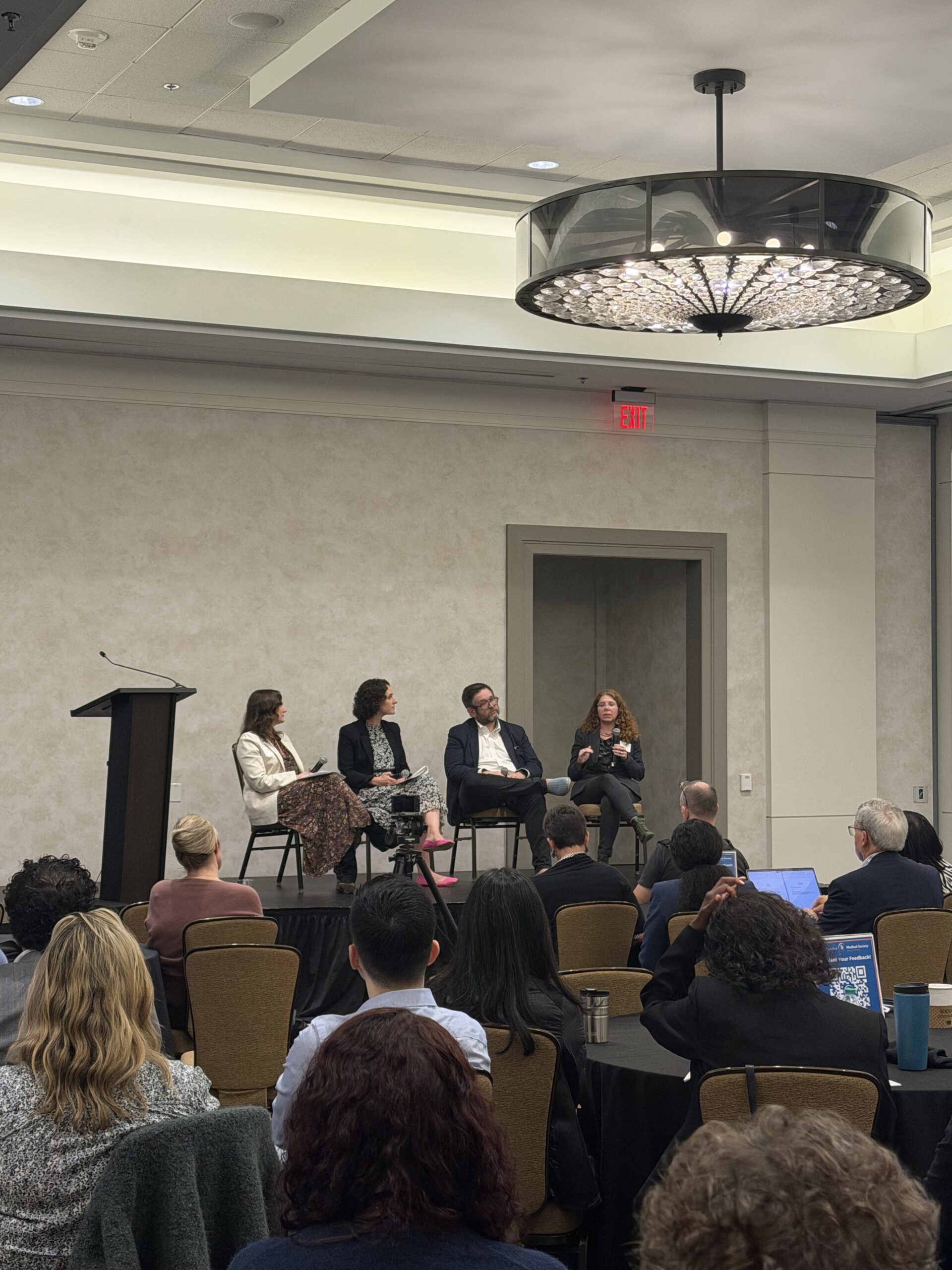
- Affordability requires more than lowering costs. Panelists emphasized investing in primary care and prevention, addressing administrative burdens such as prior authorization, and rethinking how health care is delivered and financed.
- Rural health care needs sustainable solutions. Speakers explored the challenges facing rural hospitals, clinicians and communities, including limited access to primary, specialty and behavioral health care. North Carolina’s Rural Health Transformation Program was highlighted as an opportunity to invest in stronger, more coordinated systems of care.
- AI offers promise, but clinicians must help lead its adoption. From reducing administrative workloads to improving care coordination, AI presents significant opportunities. Panelists also stressed the importance of patient safety, data privacy, responsible oversight and ensuring smaller and rural practices aren’t left behind.
- Better data should lead to better care. The final session highlighted how health information sharing, predictive tools and actionable insights can help clinicians identify gaps in care, make more informed decisions and improve patient outcomes.
One message resonated throughout the Summit: These challenges are interconnected, and addressing them will require collaboration, innovation and the voices of clinicians helping shape what comes next.
Thank you to our speakers, attendees and partners for making this an engaging and thought-provoking day!